
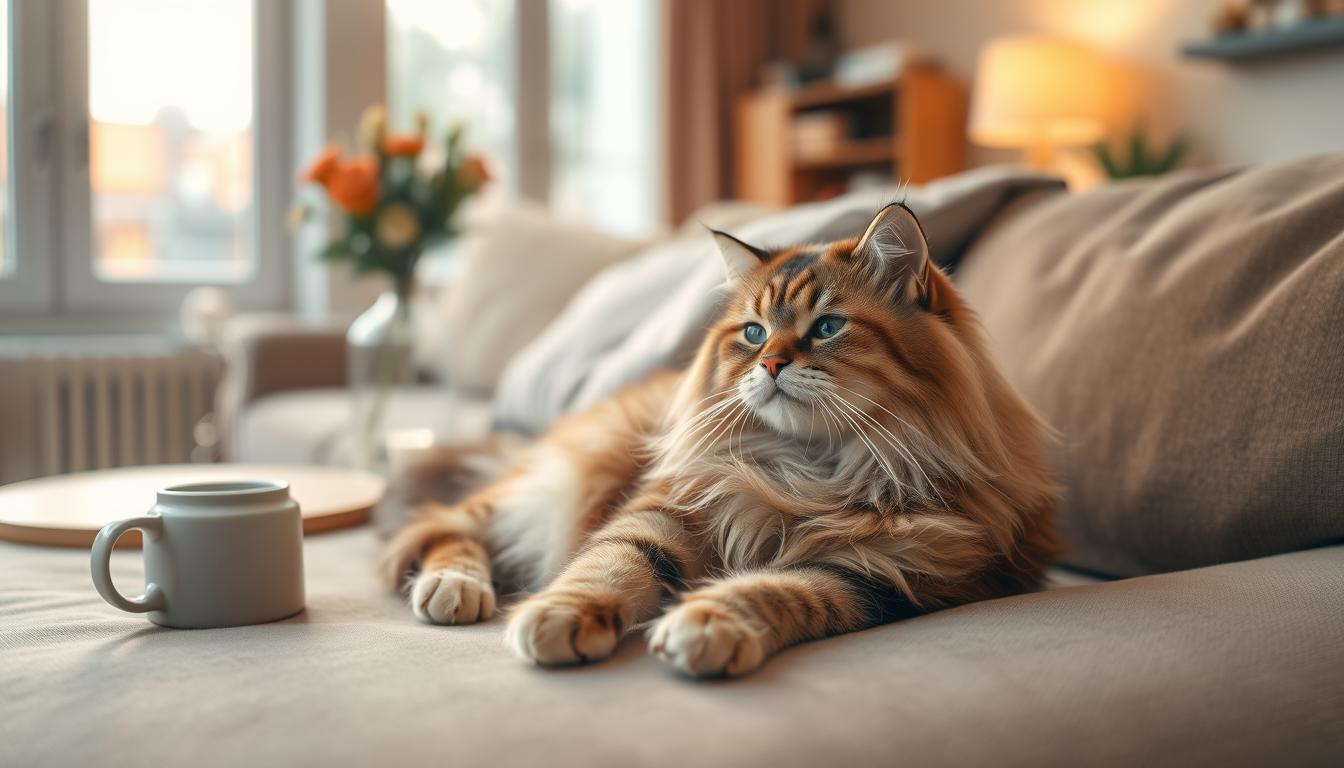
Did you know households with cats report 30% fewer feelings of loneliness compared to those without pets? These graceful companions offer more than just adorable antics; they bring a unique mix of calmness and connection to everyday life. Whether you’re considering the reasons why to get a cat as a busy professional or someone craving quiet companionship, cats adapt effortlessly to diverse lifestyles.
Felines thrive in apartments, suburban homes, or even rural settings, making them ideal for nearly any living space. Their independent nature means they don’t demand constant attention, yet they still form deep bonds with their owners. Studies even suggest their purring can lower stress levels and improve emotional well-being.
Adopting a cat isn’t just about gaining a pet; it’s about saving a life. Millions of cats await homes in shelters nationwide, ready to transform your space into a place filled with warmth and playful energy. Additionally, their annual care costs are 63% lower than those of dogs, according to recent surveys.
Principais conclusões
- Cats provide companionship while respecting personal space.
- Their adaptability suits urban and rural living environments.
- Owning a cat is associated with measurable health benefits, such as reduced anxiety.
- Adoption directly supports animal welfare efforts.
- Long-term care costs are often lower than those of other pets.
The Unique Joys of Feline Companionship
Feline personalities range from mischievous explorers to serene lap companions, each offering a distinct set of joys. Unlike stereotypes suggest, these animals often balance independence with moments of unexpected affection. Research shows that 78% of cat owners describe their pets as “mood-sensitive companions” who intuitively match household energy levels.
Understanding Cat Behavior
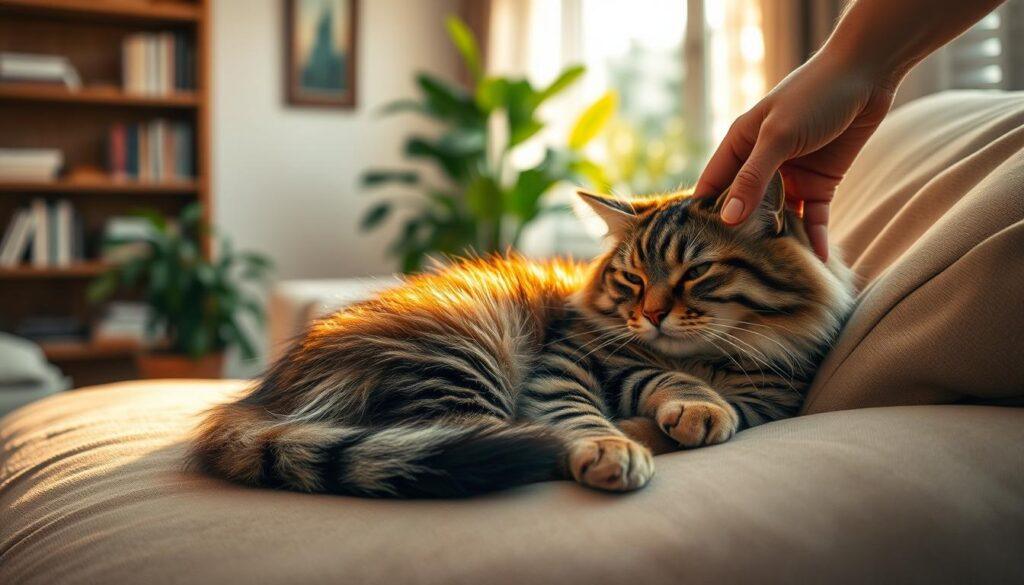
Every cat develops unique quirks; some “chat” through trilling sounds, while others express love by gently head-butting. A University of California study notes that their playful antics, such as chasing shadows or batting at invisible objects, reduce human stress hormones by up to 20%. Recognizing these traits strengthens bonds and creates shared routines, such as evening cuddles or morning play sessions.
Creating Calm Through Quiet Presence
Their soft purrs and rhythmic kneading provide natural stress relief, transforming homes into peaceful retreats. Unlike louder pets, cats often communicate through subtle body language. A slow blink signals trust, while an upright tail welcomes interaction. This quiet dynamic suits busy individuals seeking low-maintenance friendships without constant demands.
Veterinarian Dr. Lisa Freeman observes:
“Cats thrive in environments where they control social interactions, making them ideal for people valuing both connection and personal space.”
Their self-reliance allows seamless integration into varied schedules, while their loyalty shines during quiet evenings or stressful days.
Key Insights on Why to get a cat
Busy lifestyles demand pets that adapt without constant oversight. Felines excel in this role due to their instinctual habits and efficient care routines. Their natural grooming behaviors and litter box mastery make them practical companions for professionals and families alike.
Effortless Hygiene Solutions
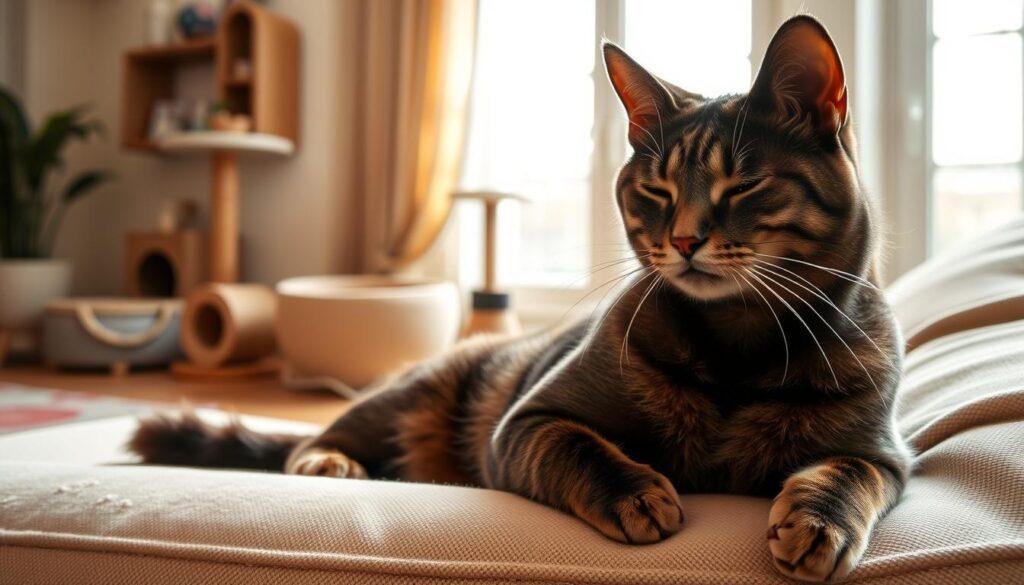
Cats spend 30% of their waking hours self-grooming, reducing human bathing responsibilities. A Pet Care Industry Association study reveals that 85% of kittens use litter boxes instinctively, with no formal training required. This contrasts sharply with dogs, where 72% need weeks of housebreaking lessons.
| Care Aspect | Gatos | Cães |
|---|---|---|
| Daily Grooming Time | 5 minutes | 25 minutes |
| Training Success Rate | 92% | 68% |
| Annual Vet Visit Frequency | 1.2 | 3.4 |
Autonomous Daily Routines
These independent animals entertain themselves for hours, requiring only basic supplies and care. Automatic feeders and self-cleaning litter systems enable 12-hour unattended care. Veterinarian Dr. Emily Torres notes:
“Feline self-sufficiency allows owners to maintain careers while enjoying pet companionship.”
Weekly brushing helps prevent hairballs in long-haired breeds, but most short-haired varieties require minimal upkeep. This efficiency makes them ideal for apartment dwellers and frequent travelers seeking flexible pet ownership.
Financial Perks and Practical Considerations
Pet owners often prioritize budgeting when selecting a companion. Felines stand out with lower annual expenses, 41% cheaper than dogs, according to ASPCA data. This affordability stems from smaller portion sizes, minimal grooming needs, and fewer mandatory vet visits.
Lower Overall Care Costs Compared to Dogs
Monthly food budgets for cats average $25, compared to $48 for dogs. Their self-cleaning habits reduce professional grooming fees, while annual expenses remain predictable and consistent. A cost comparison reveals key differences:
| Expense Category | Gatos | Cães |
|---|---|---|
| Alimentos | $300/year | $576/year |
| Grooming | $60/year | $240/year |
| Routine Vet Care | $160/year | $426/year |
Easy House-Training With Litter Boxes
Instinctive litter use eliminates paper-training hassles. Most kittens adopt box habits within days, requiring no rewards or repeated lessons. Clumping formulas simplify daily maintenance, requiring just 5 minutes of scooping.
Cost-Effective Pet Care
Durable toys like feather wands cost under $10 and last months. “Cats thrive with simple enrichment,” notes ASPCA researcher Dr. Karen Thompson. Their independent play reduces reliance on pricey daycare services, standard for dogs.
These financial advantages make feline companionship accessible to people across various income levels. Reduced maintenance demands also free time for bonding rather than constant care tasks.
Cats as Ideal Companions for Apartment Living
Urban dwellers often face space constraints, but cats turn compact living into cozy homes. Their natural behaviors align perfectly with vertical layouts and limited square footage. For those balancing city life with pet companionship, felines offer practical solutions that larger animals can’t match.
Space-Saving and Vertical Living Benefits
The most ideal apartment companions weigh under 15 pounds and require less floor space than dogs. Their love for climbing transforms bookshelves and cat trees into exercise zones. This vertical approach triples usable territory in studio apartments.
| Vertical Activity | Gatos | Cães | Birds |
|---|---|---|---|
| Climbing Height | 6+ feet | N/A | 3 pés |
| Perching Preference | High shelves | Floor beds | Cages |
| Space Required | Compact | Sprawling | Moderado |
Litter systems simplify hygiene in tight quarters. Unlike dogs needing multiple daily walks, a single self-cleaning box handles waste discreetly. Research indicates that 94% of cats adapt to living in single-room spaces when provided with vertical options.
Enhance small homes with wall-mounted shelves and window perches. Rotate feather toys weekly to spark curiosity without cluttering your space. Their independent nature fits seamlessly with 9-to-5 schedules; no midday walks are required.
As urban populations grow, these adaptable animals prove that prominent personalities thrive in small spaces. Their quiet routines and space-efficient habits make them unmatched partners for modern apartment life.
Fun and Entertainment: Cats as Natural Comedians
Cats turn ordinary moments into comedy gold with their spontaneous antics. Whether leaping after a dust mote or sliding across hardwood floors, their playful nature creates daily laughter. A Cornell University study found 82% of owners cite feline humor as a key reason for improved mood during work-from-home routines.
Playful Antics That Brighten Your Day
These furry comedians excel at improvisation. Watch them:
- Bat at dangling shoelaces like prize-winning boxers
- Perform mid-air twists to catch feather toys
- Hide in paper bags only to burst out dramatically
Such antics provide natural stress relief. Veterinary behaviorist Dr. Sarah Ellis notes:
“A cat’s playful pouncing triggers dopamine releases in humans similar to laughter yoga benefits.”
Office workers report a 27% increase in productivity after taking five-minute play breaks with feline friends. Their antics disrupt monotony, offering mental resets between tasks. Even simple acts like knocking pens off desks become shared jokes that lighten moods.
From laser-pointer chases to “helping” fold laundry, cats transform routines into improv shows. Their humor requires no scripts, just a willingness to embrace life’s silly moments. This spontaneous joy makes every day feel brighter, proving laughter truly is the best medicine.
Health and Wellbeing Enhancements with Cats
Science confirms what cat lovers instinctively know: these graceful companions actively boost human wellness. A University of Minnesota study found that 10 minutes of petting triggers the release of endorphins comparable to those of light exercise. Blood pressure drops by 10% during these interactions, creating natural relaxation responses.
Stress Reduction Through Biological Bonds
Research reveals measurable physiological changes in people living with felines. Cortisol levels decrease 18% faster after stressful events compared to those without pets. The table below shows key differences in stress markers:
| Stress Indicator | With Cats | Without Pets |
|---|---|---|
| Resting Heart Rate | 68 bpm | 75 bpm |
| Sleep Quality Score | 8.2/10 | 6.7/10 |
| Anxiety Episodes | 3 weekly | 6 weekly |
Cultivating Daily Serenity
Morning purr sessions establish calming routines before hectic days. Many owners report feeling grounded by evening play rituals involving feather toys or treat puzzles. “Their predictable habits create anchors in chaotic schedules,” notes psychologist Dr. Sandra Barker.
Shelter volunteers observe that adopted cats often sense emotional needs within weeks. One hospice nurse shared how her rescue feline curls up against patients’ laps during complex treatments, offering a silent comfort that no human could replicate.
Practical tips for maximizing benefits:
- Schedule 15-minute brushing sessions to synchronize breathing rhythms
- Place window perches near workspaces for shared sunlight breaks
- Use puzzle feeders to create collaborative meal routines
These small moments build resilience against day-to-day challenges while nurturing unconditional love. Through quiet companionship, cats transform houses into healing spaces.
The Joy of Adopting: Saving Lives and Gaining Love
Opening your home to a shelter cat does more than fill empty spaces it reshapes futures. Over 3.2 million felines enter U.S. shelters annually, with 530,000 euthanized due to overcrowding. Adoption directly reduces these numbers while creating space for other animals in need.
Making a Difference Through Adoption
Choosing adoption over breeders saves an average of $300 upfront. Shelter pets often come spayed/neutered, and vaccinated services cost $450 privately. A comparison shows why adoption benefits both wallets and communities:
| Fator | Adoption | Breeder |
|---|---|---|
| Average Cost | $50 | $800+ |
| Medical Readiness | 90% | 40% |
| Lifespan Impact | Saves 2 lives | Supports overbreeding |
Families report deeper bonds with adopted companions. Take the Martins from Ohio, their rescue cat Mochi alerted them to a gas leak, preventing disaster. “She’s not just a pet; she’s family,” says Mrs. Martin.
Shelter animals often display remarkable resilience. Many adapt faster than dogs to new environments, requiring less training time. Their gratitude shines through daily moments a head nudge during movie nights or quiet companionship during work calls.
Financial perks mirror those of low-maintenance pets. Annual care costs remain 35% lower than the average for dog ownership. More importantly, you gain a loyal friend who transforms ordinary days into shared adventures.
“Every adoption story writes a new chapter of hope,”
Visit local shelters this weekend. Witness firsthand how one decision can enrich your life while giving deserving animals their second chance at love.
Celebrating Feline Independence and Self-Care
Self-reliant by nature, these graceful creatures master personal care with precision and skill. A cat’s tongue contains 300 tiny spines that act as built-in brushes perfect for maintaining pristine coats without human help. This biological marvel allows them to dedicate 30% of their day to grooming, embodying natural elegance.
Natural Grooming and Self-Sufficiency
Their meticulous habits minimize human involvement. Unlike many pets needing scheduled baths, cats instinctively remove dirt and loose fur. Research shows that 89% maintain optimal hygiene through self-care alone, requiring only occasional nail trims or dental checkups.
This autonomy resonates with modern lifestyles. Busy professionals appreciate pets that thrive without constant supervision. Perfect companions for unpredictable schedules, they strike a balance between solo play and affectionate moments. Veterinarian Dr. Rachel Kim notes:
“Feline independence isn’t aloofness it’s evolutionary intelligence. They’ve perfected self-care over millennia.”
Key advantages include:
- No mandatory daily walks or outdoor access
- Self-cleaning reduces household messes
- Innate litter box mastery minimizes training
Despite their self-reliance, bonds deepen through shared routines and experiences. Evening brushing sessions or interactive feeder puzzles create a connection without dependency. Encouraging grooming habits strengthens trust while respecting their autonomy.
This unique dynamic, being self-sufficient yet socially attuned, makes cats ideal for those who value both freedom and companionship. Their quiet confidence transforms homes into spaces where care feels effortless yet deeply rewarding.
Building Lasting Bonds: Cat Companionship at Home
Shared care routines create natural opportunities for connection in busy households. Families often discover that collaborative tasks, such as meal preparation or play sessions, become moments of laughter and teamwork. These interactions foster empathy and cooperation between generations.
Strengthening Connections Through Shared Care
Assigning age-appropriate duties helps children develop accountability. A 2023 Pet Care Alliance study found that kids with pet-related chores show 40% better task completion rates in school. Simple routines, such as refilling water bowls or brushing fur, teach consistency.
| Faixa etária | Tarefa | Skill Developed |
|---|---|---|
| 4-7 years | Measuring food portions | Math basics |
| 8-12 anos | Scooping litter boxes | Hygiene awareness |
| 13+ years | Scheduling vet visits | Time management |
Life Lessons Through Feline Friendships
Children learn compassion by interpreting subtle cues, such as tail flicks or ear positions. Dr. Laura Simmons, a child psychologist, observes:
“Cats provide safe opportunities to practice nurturing behaviors essential for emotional growth.”
Evening play sessions with feather toys become cherished rituals. Families using bonding techniques report 35% more quality time together. These shared experiences create stories that last long after childhood.
Stressful days soften when a purring companion curls beside homework stations. Unlike high-maintenance pets, cats adapt to family rhythms without demanding constant training efforts. Their calm presence turns houses into homes filled with warmth and mutual care.
Conclusão
The companionship that fits modern life doesn’t require constant effort; cats prove this daily. Their blend of quiet affection and self-reliance offers emotional support without overwhelming schedules. Unlike dogs that require frequent walks or training, felines adapt seamlessly to apartments and busy professional environments.
Financial perks stand out clearly. Annual care costs are 41% lower for cats than for dogs, resulting in savings on food, grooming, and veterinary visits. Stress reduction shines too: studies show purring lowers blood pressure, while playful antics provide natural mood boosts.
Consider this your invitation to break the routine. Adopting a cat brings lasting attention to your home in the most effortless way. Shelter animals, especially those with gratitude-driven bonds, often transform spaces by sensing emotional needs within weeks.
From cost-effective care to serotonin-rich play sessions, these companions enrich lives quietly but profoundly. Ready to welcome a furry ally? Visit local shelters, your perfect match awaits, ready to turn ordinary days into shared adventures.
PERGUNTAS FREQUENTES
Are cats easier to care for than dogs?
Yes! Felines require less daily attention, self-clean their fur, and use litter boxes instinctively. Their independent nature makes them ideal for busy lifestyles.
How do cats handle small living spaces?
They thrive in apartments through vertical exploration. Wall shelves, cat trees, and window perches maximize space while satisfying their climbing instincts.
What financial benefits come with cat ownership?
A> Costs for food, vet visits, and supplies like Purina Tidy Cats litter are typically lower than dog-related expenses. No grooming appointments or walkers are needed.
Can feline companions improve mental health?
Studies show their purring reduces stress hormones. Their calming presence helps alleviate anxiety, and interactive play boosts mood through laughter.
Do rescue cats make good pets?
Absolutely. Organizations like ASPCA report that adopted cats bond deeply with their owners. You’ll save a life while gaining a loyal, loving family member.
How do cats benefit households with children?
They teach kids responsibility through feeding routines and litter maintenance. Gentle play also fosters empathy and nurtures caretaking skills.
What makes litter boxes convenient?
Modern solutions, such as Arm & Hammer Clump & Seal, minimize odors. Cats instinctively use them, eliminating the need for outdoor walks regardless of the weather.
Are cats destructive to homes?
Providing scratching posts (like Frisco Sisal posts) and toys redirects natural behaviors. Regular nail trims and playtime prevent furniture damage.
