
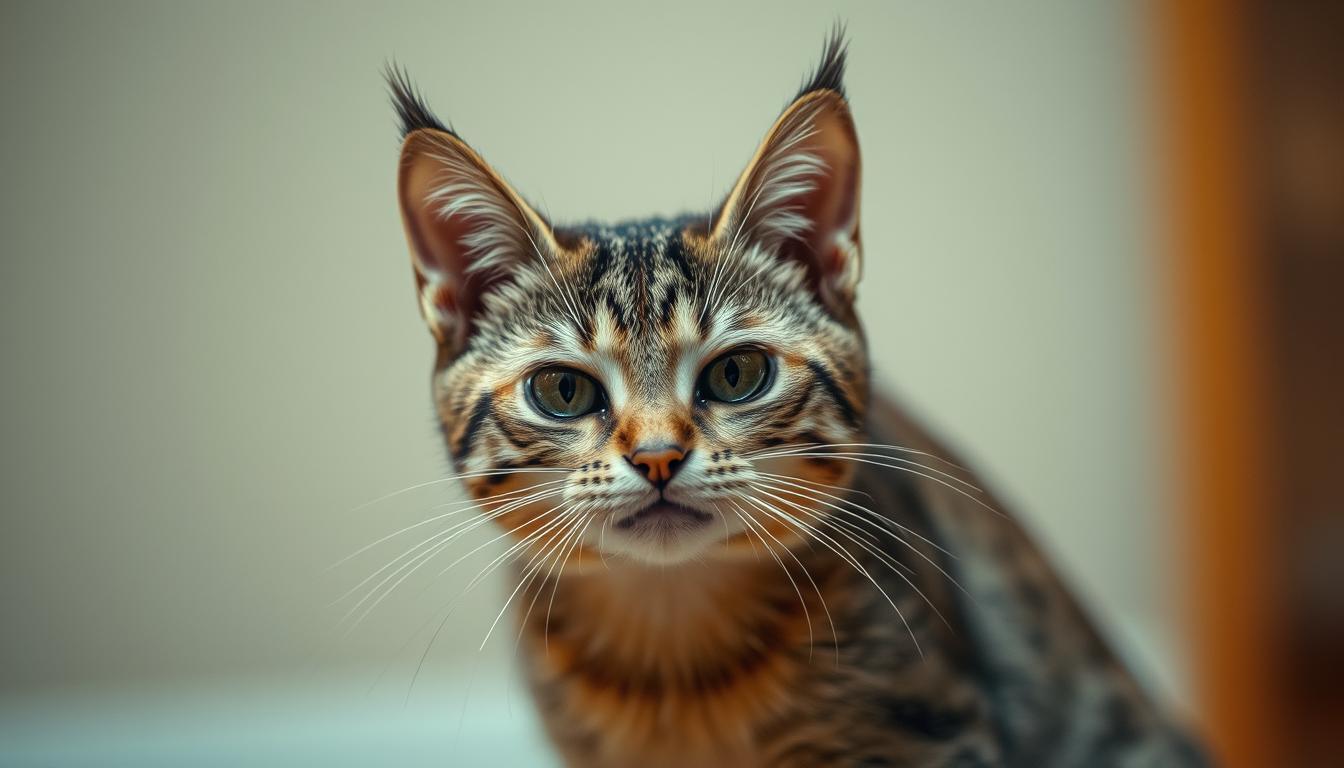
Você sabia que 70% of cat owners miss early signs of health issues because their pets instinctively hide discomfort? This survival trait, rooted in their dual role as predators and prey, makes subtle shifts in daily routines critical to decoding. If you’re wondering, “Why is my cat acting weird?” these signs could be the answer.
When a feline companion starts avoiding favorite spots or shows altered litter box habits, these could signal stress, illness, or environmental disruptions. Changes in appetite like refusing meals or overeating often serve as early warnings. Even minor adjustments, such as rearranged furniture or new household members, may trigger unexpected reactions.
Since cats excel at masking pain, owners must stay alert to patterns like excessive grooming, unusual vocalizations, or lethargy. A sudden shift in habits warrants closer attention, as prompt action can prevent minor issues from escalating.
Principais conclusões
- Cats often conceal discomfort due to survival instincts
- Monitor appetite, litter use, and social interactions for clues
- Environmental changes impact feline stress levels
- Subtle behavioral shifts may indicate underlying health problems
- Early intervention improves outcomes for common feline issues
Entendendo o comportamento felino
Your cat’s daily rhythms reflect thousands of years of evolutionary programming. From midnight zoomies to meticulous grooming sessions, these patterns stem from survival strategies honed in the wild.
Natural Instincts and Habits
Domestic felines retain 95% of their wild ancestors’ DNA, driving behaviors like stalking toys or claiming sunny windowsills. Territorial marking through cheek rubbing and scratching serves dual purposes: communication and stress relief.

Common Behavioral Patterns
Healthy cats thrive on routine. Regular mealtimes, play sessions, and sleeping spots create security. A sudden refusal to use the litter might indicate stress, while midnight vocalizations could mirror natural hunting cycles.
Household changes, such as the addition of new pets, particularly family dogs, often disrupt feline rhythms. Observe interactions closely: flattened ears or hidden tails suggest discomfort. Most adjust within weeks, as noted in adjustment period guides.
Track baseline habits during calm periods. Knowing typical nap locations or play preferences helps identify deviations that signal potential health issues.
Identifying Physical and Emotional Signs
Sudden changes in routine often signal underlying issues in felines. While 35% of behavioral shifts stem from environmental stress, others point directly to health concerns. Track these patterns like a detective your observations become vital clues for veterinarians.
Changes in Eating, Grooming, and Litter Habits
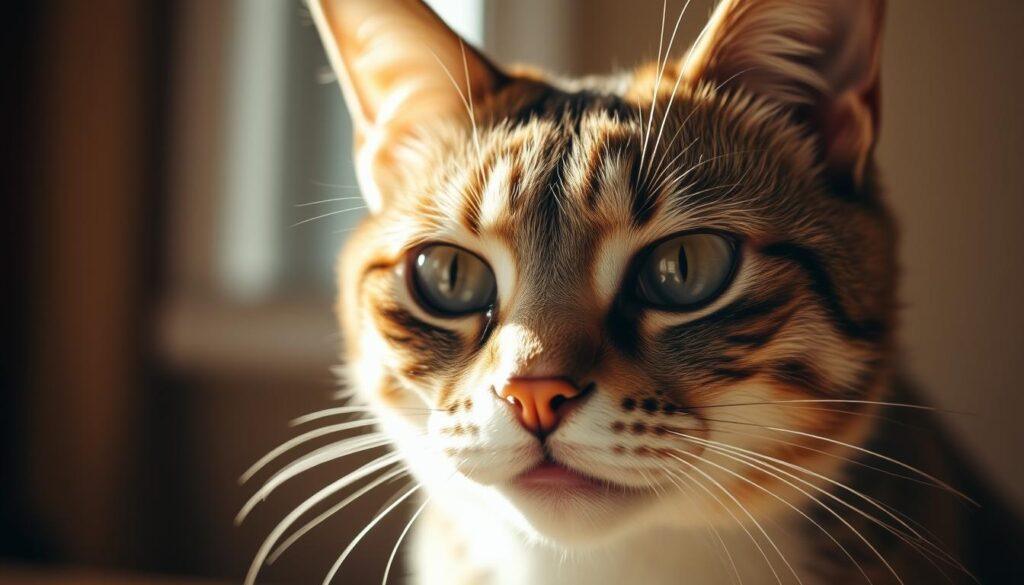
A 20% increase or decrease in food intake within 48 hours warrants attention. Cats hiding during meals or chewing awkwardly might have dental pain. Matted fur or bald patches often indicate skin condições, while excessive licking could signal joint discomfort.
Litter box avoidance ranks among the top three feline body language cues for distress. Urinating outside the box frequently leads to urinary tract infections, especially in males. Note consistency changes, hard stools, or diarrhea lasting over two days require action.
Alterations in Vocalization and Energy Levels
Nightly yowling differs markedly from typical meows. One study links persistent high-pitched cries to hypertension in 40% of senior cats. Conversely, silent cats that start vocalizing may experience hearing loss or cognitive decline.
Energy crashes or frenetic pacing both raise red flags. A playful cat sleeping 18+ hours daily could have anemia, while sudden hyperactivity sometimes indicates hyperthyroidism. Pair these symptoms with weight fluctuations or vomiting for clearer diagnostic pictures.
Document deviations in a journal that seem minor today might reveal critical patterns tomorrow. As one veterinary behaviorist notes: “Three days of unusual behavior is your threshold for professional consultation.”
Managing Stress and Anxiety in Cats
Creating a sanctuary-like environment helps felines navigate life’s disruptions. Household changes, from moving furniture to adding pets, can destabilize even confident cats. Gradual adjustments, paired with predictable routines, help rebuild their sense of security.
Home Environment and Routine Adjustments
Start by identifying stress triggers. New sounds, scents, or altered traffic patterns often unsettle cats. Introduce changes incrementally and place unfamiliar items in distant rooms first, allowing exploration at their pace.
Maintain consistent feeding times and litter maintenance. Scoop waste daily and refresh boxes weekly to prevent feline anxiety disorders. Position boxes in quiet, low-traffic zones away from appliances.
For households with new pets, establish separate zones initially. Swap bedding between animals to familiarize scents before face-to-face meetings. This reduces territorial disputes documented in feline social dynamics research.
Stick to fixed play and meal schedules. Use puzzle feeders to mimic natural hunting behaviors during downtime. Track behavioral shifts using a calendar to note improvements or lingering stress signals like hiding or excessive grooming.
Pro tip: Preserve at least one “safe space” with familiar toys and bedding. This retreat helps cats decompress during transitions, preventing escalated anxiety.
Addressing Why is My Cat Acting Weird: Early Signs and Actions
Subtle shifts in your cat’s daily patterns can be silent alarms. Unlike dramatic behavioral changes, these quiet signals often slip under the radar. A 15-minute delay in meal enthusiasm or slightly flattened ears during playtime might hold critical clues.
Recognizing Subtle Shifts in Behavior
Watch for these often-overlooked indicators:
- Routine tweaks: Nap locations shifting by one room, or altered grooming session durations
- Mood nuances: Mild disinterest in favorite toys or hesitation before jumping
- Eating patterns: Leaving 10% of meals uneaten or drinking more frequently
Weight fluctuations as small as 5% over two weeks warrant attention. Document these microchanges using a journal or pet-tracking app. As noted in a recent feline health study, owners who track behaviors identify issues 30% faster than those relying on memory.
Veterinarian Dr. Lisa Pearson emphasizes: “Three days of reduced purring or social interaction should prompt a wellness check. Cats excel at compensating by the time they ‘act weird,’ problems are often advanced.”
Proactive monitoring transforms vague concerns into actionable data. Share detailed notes with your vet during visits, including:
- Exact times of behavioral deviations
- Environmental changes (new air fresheners, shifted furniture)
- Interaction shifts with other pets
Early intervention often resolves issues before they escalate, preserving both your cat’s health and household harmony.
Practical Guide to Home Care and Environmental Adjustments
A feline-friendly space reduces stress and supports instincts. Strategic tweaks to daily routines and living areas create stability, especially during transitions.
Improving Litter Box and Feeding Routines
Place litter boxes in quiet zones away from food bowls. Use unscented clumping litter and clean it daily. For multi-cat homes, provide one box per pet plus an extra. This prevents territorial disputes linked to inappropriate elimination.
Feed meals at consistent times using puzzle feeders. Mimic hunting behavior by hiding small portions around the house. Fresh water stations in multiple locations encourage hydration.
Encouraging Play and Mental Stimulation
Rotate interactive toys weekly to maintain interest. Feather wands and laser pointers trigger chase instincts. Schedule 10-minute play sessions morning and evening to burn energy.
Create vertical spaces with cat trees near windows. Cardboard boxes or paper bags offer cheap exploration opportunities. For anxious pets, try calming pheromone diffusers near resting areas.
Even small changes like moving furniture slightly help cats feel in control. Observe reactions to adjustments, allowing 3-7 days for adaptation. Consistent routines build confidence while reducing anxiety triggers.
Knowing When to Consult a Veterinarian
Feline behavior changes often walk a fine line between curiosity and crisis. While some quirks resolve naturally, others demand swift professional intervention. Recognizing this distinction could mean the difference between temporary stress and life-threatening health conditions.
Emergency Warning Signs
Immediate action becomes critical if your pet shows:
- Straining in the caixa de areia without producing urine (risk of bladder rupture within 24 hours)
- Labored breathing or pale gums
- Three or more vomiting episodes in 12 hours
These symptoms often indicate poisoning, urinary blockages, or respiratory failure. A study by Cornell Feline Health Center notes that 60% of urinary infections escalate to emergencies when untreated for 48 hours.
Routine Health Check Recommendations
Schedule exams if you notice gradual perda de peso, increased thirst, or minor changes in grooming habits. Cats over seven years need biannual visits, as aging accelerates issues like kidney disease and arthritis.
Track patterns using a simple journal. Note food intake, litter use, and social interactions. This data helps veterinarians spot trends invisible during brief office visits.
As feline health experts emphasize, subtle shifts like avoiding high perches or reduced purring might reveal early-stage pain. Trust your instincts you know your family members best.
Conclusão
Understanding your feline companion’s signals transforms everyday care into preventive health strategies. Track litter box habits, appetite shifts, and social patterns; these often reveal hidden stress or emerging health conditions. Remember, even minor changes in grooming or vocal tones can signal urinary infections or joint discomfort.
Cats thrive on predictable routines. Maintain consistent feeding times and preserve safe spaces during household transitions. Research shows owners who document comportamento spot issues 30% faster, preventing minor concerns from escalating.
Consult a veterinarian if symptoms persist for more than three days or involve bladder strain, breathing difficulties, or repeated vomiting. Annual check-ups combined with environmental adjustments like vertical spaces and puzzle feeders support physical and emotional well-being.
Your family member relies on your observation skills. Pair vigilance with professional advice to ensure early intervention. With proper care and attention, most feline anxiety and health challenges can be effectively managed.
PERGUNTAS FREQUENTES
What causes sudden changes in feline behavior?
Stress, illness, or environmental shifts, such as the arrival of new family members or changes in routines, often trigger unusual behaviors. Conditions like urinary tract infections, dental pain, or anxiety from loud noises can also lead to odd habits.
How can I tell if my cat’s litter box avoidance is serious?
Frequent accidents or straining could signal bladder issues, kidney disease, or stress. Pair this with symptoms like blood in urine, weight loss, or vomiting, and consult a veterinarian immediately.
Do cats stop eating due to emotional distress?
Yes. Anxiety from changes like moving homes or losing a companion may reduce appetite. However, refusal to eat for over 24 hours warrants a vet visit to rule out dental problems or gastrointestinal illness.
Can playtime reduce erratic behavior in cats?
Absolutely. Interactive toys like feather wands or laser pointers provide mental stimulation, curb boredom, and ease stress. Regular play sessions mimic hunting instincts, promoting calmer habits.
When should I worry about excessive vocalization?
Nighttime yowling or constant meowing might indicate hyperthyroidism, hearing loss, or cognitive decline in older cats. Sudden increases in vocal patterns, accompanied by lethargy, require professional evaluation.
Are there non-medical reasons for sudden aggression?
Yes. Territory disputes with other pets, redirected frustration, or discomfort from loud noises (e.g., thunderstorms) can cause aggression. Redirect this energy with puzzle feeders or safe hiding spots.
How often should senior cats have health checks?
Cats over 10 years need biannual vet visits. Early detection of arthritis, kidney disease, or diabetes improves outcomes. Monitor weight fluctuations and grooming changes closely.
Can diet adjustments fix odd behavior?
Sometimes. Food allergies might cause over-grooming or digestive upset. Brands like Royal Canin or Hill’s Science Diet offer formulas for sensitive cats. Always transition diets gradually.
