


Over 12,000 people in the U.S. are diagnosed with cat-scratch disease each year, a bacterial infection linked to feline interactions. While most pet owners experience minor injuries, the lingering question remains: do cat scratches scar, and can these marks leave permanent reminders?
This medically reviewed guide combines insights from veterinarians, such as Dr. Susan Krebsbach, and institutions, such as Johns Hopkins Medicine. Even superficial wounds can become problematic if ignored, leading to swelling or tissue damage. Proper care reduces risks, but recognizing warning signs early is critical.
Owners often underestimate how quickly a playful swipe can turn serious. Factors such as the depth of claw bacteria, skin sensitivity, and aftercare determine whether marks fade or linger. We’ll explore how to assess injuries, prevent complications, and identify when professional help is essential.
Principais conclusões
- Minor injuries rarely scar but require immediate cleaning to avoid infection.
- Deep or untreated wounds increase the likelihood of visible marks.
- Redness, warmth, or pus around a scratch signals potential complications.
- Consult a healthcare provider if fever or swelling develops.
- Regular nail trimming reduces injury severity during play.
Understanding Cat Scratches and Their Risks
Feline instincts often drive behaviors that result in accidental injuries. While most interactions remain harmless, sharp claws can break skin during routine activities like grooming sessions or high-energy play.
Why Pets Lash Out
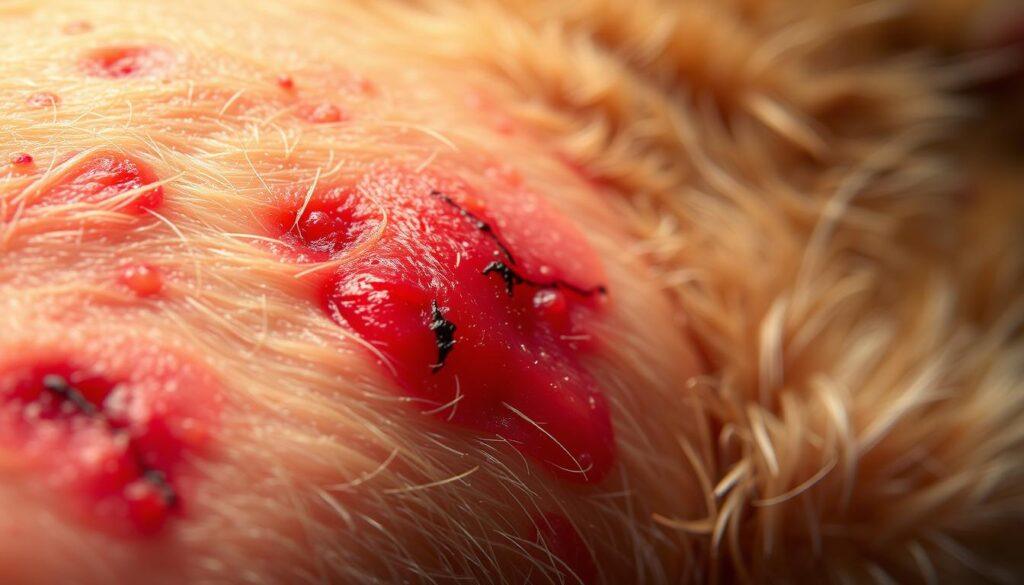
Common triggers include sudden movements, territorial disputes, or overstimulation. Kittens learning boundaries may bite or swipe during mock hunts. Adult animals might react defensively when startled. Even friendly pets can carry Bartonella henselae, the primary cause of cat-scratch doença.
Hidden Dangers Beneath the Surface
Superficial marks often heal quickly, but deeper wounds allow bacteria to enter the tissue. The CDC reports that 40% of felines carry Bartonella at some point. Infected areas may develop redness, warmth, or pus within 48 hours. Swollen lymph nodes and fatigue signal systemic responses requiring medical evaluation.
| Fator | Minor Injury | Severe Complication |
|---|---|---|
| Depth | Surface-level | Subcutaneous tissue |
| Healing Time | 3-5 dias | 2+ weeks |
| Warning Signs | Mild redness | Fever over 101°F |
High-risk groups like immunocompromised individuals should monitor wounds closely. “Any break in skin requires immediate cleaning,” advises Dr. Krebsbach. Proper care reduces bacterial spread, but persistent symptoms demand professional assessment to prevent lasting damage.
Immediate Response: How to Care for a Cat Scratch
Swift action within the first 10 minutes dramatically reduces infection risks. Veterinarians and medical professionals agree that proper cuidados techniques can prevent 90% of complications when applied correctly.
Step-by-Step First Aid Procedures
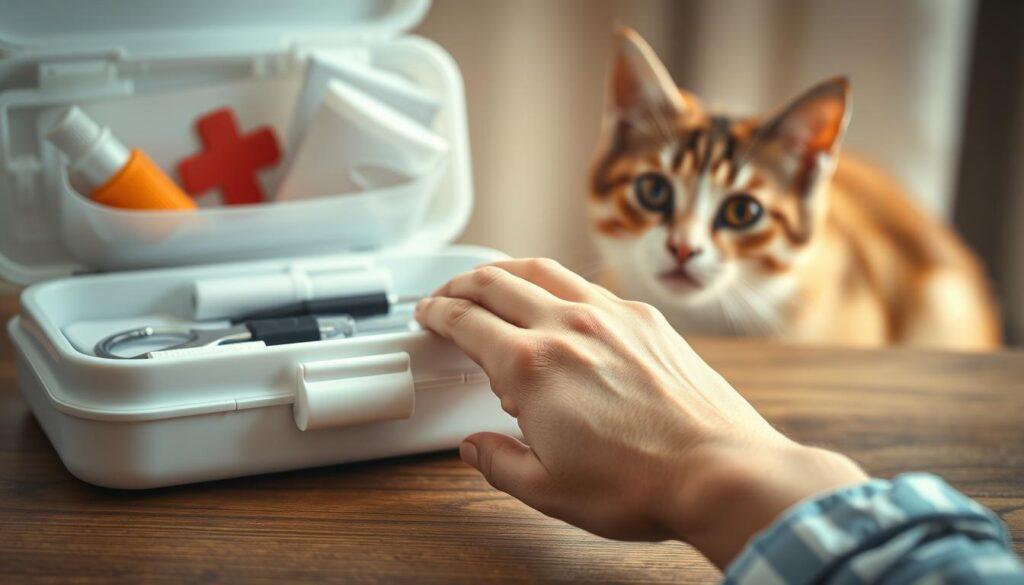
- Rinse the injury under lukewarm running água for 2 minutes to flush debris
- Apply fragrance-free soap using gentle circular motions to avoid scrubbing
- Mix 1 tsp salt in 1 cup of boiled water for a homemade saline rinse if soap isn’t available
- Press clean gauze with steady pressure until the bleeding stops (usually 3-5 minutes)
- Dab antibiotic ointment like Neosporin® once dry, then cover with a breathable bandage
When to Seek Medical Attention
Contact a doctor immediately if you notice:
- Red streaks radiating from the wound
- Swollen glands or fever above 100.4°F
- Pus or yellow crust forming after 24 hours
“Never ignore injuries near eyes or joints,” warns Dr. Krebsbach. These areas require professional tratamento to prevent bacterial spread. Immunocompromised individuals should consult healthcare providers within 4 hours of deep punctures.
For persistent pain or delayed healing, oral antibiotic therapy might be necessary. Always complete prescribed medications to avoid recurring infections that could lead to tissue damage.
Do cat scratches scar: Scarring Concerns and Long-Term Effects
The visibility of healed wounds depends on multiple factors. While most surface marks fade completely, deeper injuries involving garras can disrupt collagen production. This process sometimes leaves textured or discolored patches, especially in high-friction areas like hands or the face.
Recognizing Scar Formation
Three elements influence lasting marks: wound depth, infection status, and skin type. Superficial injuries rarely cause issues, but pets’ garras occasionally penetrate dermal layers. When bacteria enter through repeated scratches or bites, inflammation prolongs healing, increasing the risco of raised keloid scars.
Delicate areas like the eyelids or neck show changes more visibly than thicker areas like the forearm. Watch for unusual texture shifts around the área during the 6-week remodeling phase. Persistent redness beyond three months often indicates abnormal tissue repair.
Minimizing and Preventing Scar Damage
Immediate cleansing remains the best defense against permanent danos. Apply silicone gel sheets once wounds close to flatten raised tissue. For existing marks, dermatologists recommend:
- Massaging with vitamin E oil twice daily
- Using SPF 30+ on the healed área to prevent darkening
- Scheduling professional laser treatments for severe cases
Regular nail trims reduce risco by keeping pets’ garras blunt. Redirect playful swiping with interactive toys instead of hands. Most importantly, never pick at scabs; this disrupts natural healing and triples the risk of scarring.
Preventative Measures and At-Home Care
Creating a safe environment for both felines and their owners starts with proactive care strategies. Simple daily routines minimize risks while strengthening bonds between animais de estimação e pessoas. Focus on three pillars: hygiene, behavior management, and environmental safety.
Cleaning and Infection Defense
Immediately rinse any skin breaks with cool water and mild soap. Pat dry before applying antiseptic solutions, such as chlorhexidine. Watch for swelling or warmth around the area; these signals potential complications requiring professional evaluation.
Keep these supplies handy:
- Veterinary-approved wound cleansers
- Non-stick gauze pads
- Hypoallergenic adhesive bandages
Behavior Guidance and Claw Care
Redirect energetic play using feather wands or laser pointers instead of hands—reward calm interactions with treats to reinforce gentle habits. Schedule weekly nail trims using cat-specific clippers. This keeps claws blunt and reduces the risk of accidental injuries.
Key maintenance tips:
- Brush fur regularly to minimize overstimulation during grooming
- Provide scratching posts to satisfy natural clawing instincts
- Use pheromone diffusers to reduce territorial stress
Clean bedding and food bowls weekly to prevent bacterial growth. Store cleaning products securely curious animais de estimação might investigate open containers. With consistent effort, households become safer spaces for all occupants.
Understanding Cat Scratch Fever and Related Diseases
While most feline injuries heal quickly, some can lead to systemic illnesses that require medical intervention. Cat scratch fever, officially called bartonellosis, is caused by the Bartonella henselae bacterium, transmitted through broken skin. The CDC estimates 12,000 annual U.S. cases, with children under 15 and immunocompromised individuals at the highest risk.
Symptoms and Risk Factors
Early signs often mimic mild flu: headaches, low-grade fever, and fatigue lasting 2-3 weeks. Swollen lymph nodes near the injury site develop in 90% of cases, sometimes reaching the size of a golf ball. High-risk groups include:
- People with HIV/AIDS or those undergoing chemotherapy
- Organ transplant recipients
- Infants exposed to flea-infested pets
| Sintoma | Onset Time | Action Required |
|---|---|---|
| Red lesion at the bite site | 3-10 days | Antiseptic cleaning |
| Lymph node swelling | 1-3 weeks | Warm compress |
| Persistent headache | Anytime | Medical consultation |
Treatment Options and Doctor Recommendations
Most cases resolve without medication, but severe infections require antibiotics like azithromycin. Supportive care includes rest and hydration. The Centers for Disease Control and Prevenção guidelines advise:
- 5-day antibiotic courses for immunocompromised patients
- Flea control treatments for household pets
- Monthly nail trims to minimize bacterial transfer
Seek immediate care if the fever exceeds 102°F or the lymph nodes become pus-filled. Early intervention prevents rare complications like encephalitis or vision loss. “Never dismiss prolonged fatigue after animal contact,” warns infectious disease specialist Dr. Laura Greene.
Conclusão
Pet ownership brings joy but requires awareness of potential health risks. While most injuries from bites or contact with claws heal quickly, proper wound care remains critical. Clean breaks in the pele immediately with soap and water to prevent bacterial entry. Monitor affected areas for redness, swelling, or unusual pain; these often signal developing issues.
Changes in appetite or energy levels following an incident may also indicate systemic responses. Regular treatments to control fleas significantly reduce the risk of infection. Even playful nips can introduce pathogens if left untreated.
Though pets may also display aggression during high-energy moments, informed handling minimizes dangers. Keep first aid supplies accessible and consult healthcare providers if injuries show delayed healing. Early intervention prevents 90% of severe complications linked to cat scratch disease.
Stay vigilant with hygiene practices and pet maintenance routines. If concerning symptoms emerge, contact a doctor promptly to safeguard both human and animal well-being.
PERGUNTAS FREQUENTES
Can scratches from pets lead to permanent marks?
Minor injuries often heal without visible traces, but deeper wounds or improper care may result in lasting marks. Keeping the area clean and avoiding picking at scabs reduces this risk.
What signs indicate a possible infection after an injury?
Redness, swelling, warmth, pus, or increasing pain around the wound suggest infection. Fever, fatigue, or swollen lymph nodes also warrant immediate medical evaluation.
How should I treat a fresh wound from a pet?
Rinse the area thoroughly with mild soap and warm water. Apply gentle pressure to stop bleeding, then use an antibiotic ointment like Neosporin. Cover with a sterile bandage if needed.
When is professional help necessary for a minor injury?
Seek care if symptoms persist beyond 48 hours, if the wound is deep or near joints/eyes, or if fever and headaches develop. High-risk individuals, like those with weakened immunity, should consult a doctor sooner.
How can I reduce the chance of visible skin damage?
Keep the wound moisturized with petroleum jelly or silicone-based gels. Avoid sun exposure to the area, as UV rays may darken healing tissue. Over-the-counter scar creams may also help.
What are the key symptoms of bacterial infections like cat scratch disease?
Swollen lymph nodes, low-grade fever, loss of appetite, and body aches typically appear 3–14 days post-injury. The CDC recommends azithromycin for confirmed cases, especially in children or immunocompromised patients.
How do I discourage aggressive behavior in pets?
Regular nail trimming with brands like Safari or Hertzko reduces the severity of scratches. Provide scratching posts, engage in interactive play with toys, and avoid rough games that encourage biting.
Are bites more dangerous than superficial wounds?
Yes. Puncture wounds from teeth can trap bacteria deeper in the skin, increasing the risk of infection. Over 50% of bites require antibiotics, per the American Academy of Dermatology. Constantly monitor these injuries closely.
Can household items help prevent complications?
Diluted Betadine or hydrogen peroxide can initially disinfect minor wounds, but avoid prolonged use, as it may slow healing. Over-the-counter pain relievers like Tylenol manage discomfort without affecting clotting.
Do all injuries from pets carry disease risks?
While most heal without issue, bacteria such as Bartonella henselae (cat-scratch fever) or Pasteurella multocida can spread through claws or teeth—flea control products like Frontline lower transmission risks.