

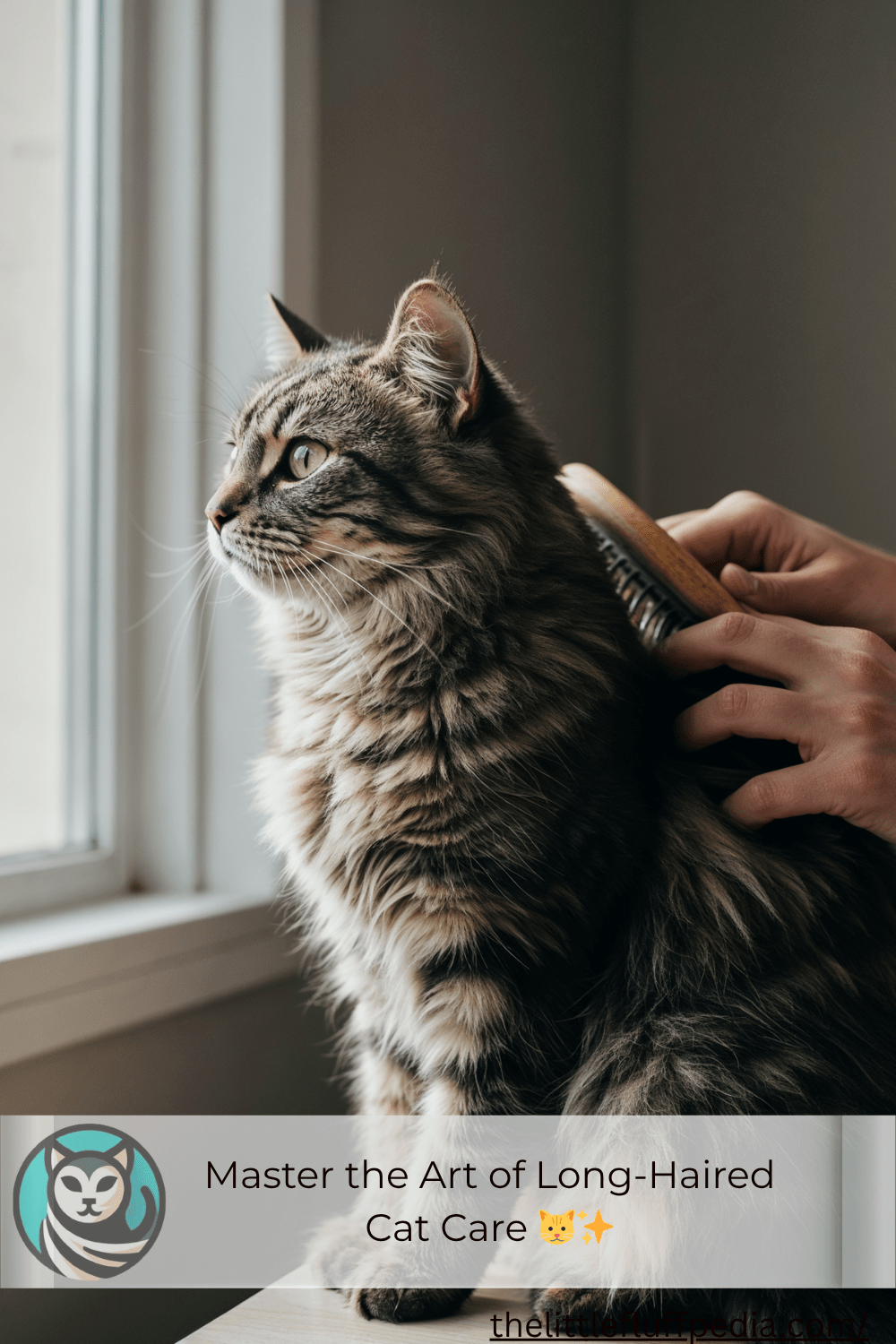
Did you know a single long-haired cat can grow over 130,000 hairs? Breeds like Persians and Birmans captivate owners with their silky fur, but that elegance comes with hidden challenges. Learning how to care for a long haired cat means understanding that their dense coats require daily attention to prevent painful mats and skin irritation, tasks many first-time owners underestimate.
These feline aristocrats shed year-round, with seasonal transitions intensifying fur loss. Without consistent brushing, loose hairs tangle into stubborn knots that pull on delicate skin. Experts at the Animal Clinic of Woodruff note that proper tools and techniques transform grooming from a chore into bonding time. A stainless-steel comb paired with a slicker brush becomes your best defense against coat disasters.
Nutrition plays a starring role in coat health. Omega-rich diets reduce shedding, while hydration keeps skin supple. Seasonal changes demand adjustments; spring shedding often requires more frequent brushing sessions. For owners needing extra support, professional groomers offer specialized services to maintain that show-stopping fluff.
Key Takeaways
- Daily brushing prevents painful mats and distributes natural skin oils
- Use stainless-steel combs and slicker brushes for optimal results
- Seasonal coat changes require adjusted grooming frequency
- Omega-3 supplements enhance fur texture and reduce shedding
- Professional groomers can assist with complex coat maintenance
Understanding the Unique Needs of Long-Haired Cats
A flowing, silky coat transforms felines into living art. Persians resemble velvet pillows, while Turkish Angoras shimmer like snowdrifts. Beneath this elegance lies meticulous upkeep. These breeds demand tailored routines to balance beauty with comfort.
Benefits and Challenges of a Luxurious Coat
Thick fur offers insulation against cold and sun protection. Persian coats act as natural blankets, while Birmans develop water-resistant layers. Yet dense hair traps debris and forms knots that restrict movement if neglected.
Seasonal shedding peaks in spring as cats shed winter undercoats. Indoor lighting can disrupt natural cycles, leading to year-round loose hairs. Without regular brushing, tangles evolve into mats that harbor bacteria or irritate skin.
Breed Characteristics and Grooming Demands
Persians need daily combing to prevent their fine strands from matting. Angoras require weekly baths to maintain their signature sheen, while Birmans benefit from slicker brushes to manage semi-long layers. Temperament matters: Some cats tolerate trims, while others need distraction techniques.
Environmental factors intensify grooming needs. Dry winter air dehydrates the skin, while humidity accelerates oil buildup. Watch for redness or bald patches; these signal skin issues requiring veterinary attention. Adjust tools seasonally: wider-tooth combs handle summer shedding while detangling sprays ease winter knots.
Essential Grooming Techniques for Luxurious Fur
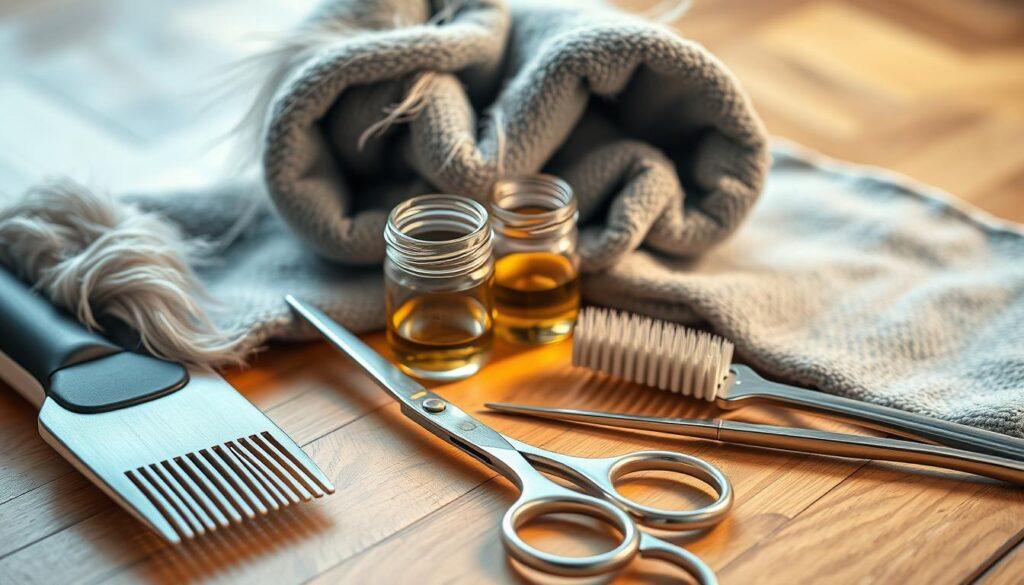
Proper coat maintenance transforms routine brushing into an art form. Strategic tool selection and technique prevent common issues while enhancing your feline companion’s natural beauty.
Daily Brushing and the Right Tools
Begin sessions with gentle strokes using a natural bristle brush to relax the animal. Work systematically:
- Start at the head, moving toward the tail
- Follow the hair growth direction
- Apply light pressure around bony areas
Metal combs with rounded teeth efficiently remove loose hairs without pulling. For stubborn tangles, defelting sprays soften knots before careful combing. Rotate between grooming gloves and plush brushes to distribute skin oils evenly.
Managing Mats, Tangles, and Sensitive Areas
Problem zones like the underarms require extra attention. Separate matted fur with fingers before using specialized tools. Never cut mats with scissors; this risks accidental cuts.
Create calmness through:
- Soft verbal reassurance
- Short 5-7 minute sessions
- Treat rewards post-grooming
Persistent skin redness or tightly wound knots signal when to consult professional groomers. Regular maintenance prevents 87% of severe matting cases according to feline hygiene studies.
Nutrition, Health, and Cat Wellness
A cat’s plate holds the secret to their coat’s radiance. High-quality proteins and essential nutrients fuel fur growth, while deficiencies leave coats dull and brittle. Premium diets containing 40-50% animal protein support skin elasticity and reduce shedding.
Balanced Diet and Essential Vitamins
Meat-first formulas provide taurine for cell repair and omega fatty acids for shine. Watch for these red flags in your cat’s meals:
- Plant-based fillers dominating ingredient lists
- Artificial colors or preservatives
- Lack of moisture content in dry-only diets
Veterinary studies show that cats on balanced wet food regimens experience 30% fewer hairballs. Consider adding fish oil supplements to boost vitamin E levels, a key nutrient for preventing dry skin.
Recognizing Health Issues and When to Visit a Vet
Sudden fur changes often signal underlying problems. Book a veterinary appointment if you notice:
- Clumps of hair falling out during gentle brushing
- Visible scalp irritation or dandruff flakes
- Excessive licking focused on specific areas
Persistent matting despite regular grooming may indicate arthritis or weight issues. Annual checkups help catch thyroid disorders early, a common cause of coat deterioration in older felines. Combine nutritional care with stress reduction techniques like puzzle feeders to support whole-body health.
How to Care for a Long-Haired Cat: Practical Grooming and Home Care Tips
Transforming coat maintenance into enjoyable rituals strengthens feline relationships while preventing fur emergencies. Successful routines blend consistency with adaptability, respecting each animal’s unique personality and comfort thresholds.
Establishing a Consistent Grooming Routine
Begin with 3-minute sessions during your pet’s calmest hours after meals or playtime. Keep these tools within reach:
- Rotating slicker brush for surface tangles
- Stainless steel comb for deeper detangling
- Detangling spray for stubborn knots
Work from head to tail in gentle strokes, praising calmly. If resistance occurs, pause and resume later. Professional groomers recommend ending sessions before frustration arises, even if incomplete.
Creating a Calm and Pet-Friendly Environment
Designate a sunny nook with non-slip mats and familiar blankets. Soft classical music or white noise masks startling sounds. Always keep these nearby:
- Freeze-dried chicken treats for rewards
- Interactive toys for post-groom play
- Warm washcloth for paw cleaning
For cats showing stress signals like flattened ears, try pheromone sprays on nearby surfaces. Persistent gagging or skin irritation warrants a veterinary consultation to rule out health concerns.
Celebrate progress with affection rather than food alone, gentle chin scratches often build trust faster. Over the weeks, gradually introduce nail trims or sanitary trims during grooming sessions. Remember: patience today prevents matting tomorrow.
Conclusion
Maintaining a feline companion’s majestic fur requires commitment, but the rewards extend far beyond aesthetics. Regular brushing sessions strengthen trust while preventing painful knots. Pairing quality nutrition with seasonal grooming adjustments keeps coats gleaming and skin healthy.
Essential tools like slicker brushes and stainless-steel combs tackle loose hairs effectively. Balanced meals rich in omega fatty acids reduce shedding and boost fur texture. For complex tasks like sanitary trims, professionals offer safe solutions that preserve your pet’s comfort.
Consistency matters most. Short daily sessions with positive reinforcement build lifelong habits. Watch for subtle changes in fur density or grooming behavior; these often signal deeper health needs. When bathing routines feel overwhelming, certified groomers provide expert support.
Celebrate progress with gentle praise and occasional treats. Your dedication transforms routine care into moments of connection, ensuring your companion thrives physically and emotionally. Start today, every stroke of the brush weaves a stronger bond.
