

Did you know 70% of cats over age three develop dental issues impacting their eating habits? While tooth loss might seem catastrophic, felines adapt remarkably well. Edentulism doesn’t spell the end of mealtime joy; it simply requires thoughtful nutritional adjustments, including understanding what to feed a cat with no teeth.
Cats without teeth thrive on soft, calorie-dense meals that maintain essential nutrients. Contrary to myths, they can “chew” using their tongues and palates to manipulate food. Their dental anatomy prioritizes tearing over grinding, making teeth less critical for digestion than many assume.
Quality soft, dry cat food options and moisture-rich formulas prove ideal for toothless pets. These choices support hydration while providing necessary textures. For older companions, balanced nutrition for senior cats becomes crucial to address age-related health needs.
Tailored diets prevent weight loss and ensure proper vitamin absorption. With careful planning, even toothless felines enjoy varied, satisfying meals that support their playful nature and longevity.
Key Takeaways
- Tooth loss doesn’t prevent cats from eating when given appropriate food textures
- Soft, nutrient-rich formulas maintain health and energy levels
- Moisture content aids digestion and kidney function
- Specialized kibble can support oral hygiene in cats with dental issues
- Regular vet consultations optimize dietary plans
Introduction: Understanding the Unique Needs of Toothless Felines
Feline edentulism the complete absence of teeth, affects 1 in 5 senior cats, according to veterinary studies. While some pets lose teeth due to age, others develop dental issues like periodontal disease as early as three years old. This condition transforms mealtime from instinctive chewing to strategic swallowing.
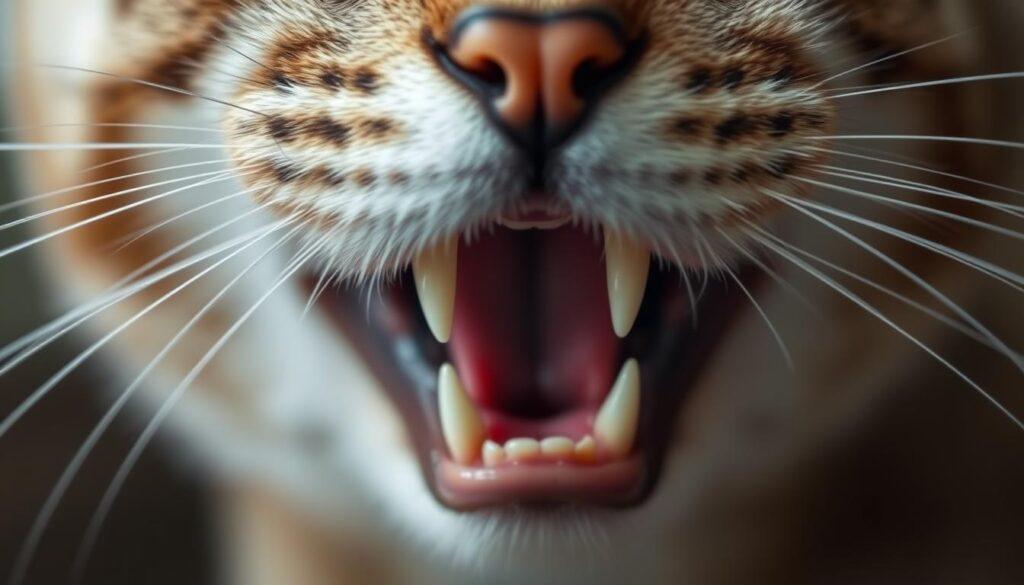
Overview of Edentulism in Cats
Standard kibble poses challenges for toothless pets. Hard textures may cause gagging or refusal to eat. A 2022 Tufts University report found that 68% of cats with dental problems showed improved appetite when switched to soft diets. Their tongues act as food-positioning tools, pushing morsels against the palate to break them down.
Importance of Tailored Nutrition
Optimal diets balance two factors:
- Moisture-rich formulas (canned food) for hydration
- Calorie-dense options (softened dry food) for energy
Veterinary nutritionist Dr. Sarah Wooten notes: “Toothless cats need 30% more accessible protein than their dentured counterparts to maintain muscle mass.” High-quality pâtés or finely minced meats often meet these needs while supporting kidney health.
Regular dental care remains vital even without teeth. Gum inspections and professional cleanings prevent infections that could worsen nutritional absorption. Pairing veterinary guidance with texture-adjusted meals helps edentulous felines thrive.
Understanding Feline Toothlessness and Its Impact on Eating
Despite tooth loss, felines retain remarkable eating abilities through biological ingenuity. Their mouths evolved as efficient meat-processing systems long before domestication. Modern house companions maintain these survival traits, even when dental challenges arise.
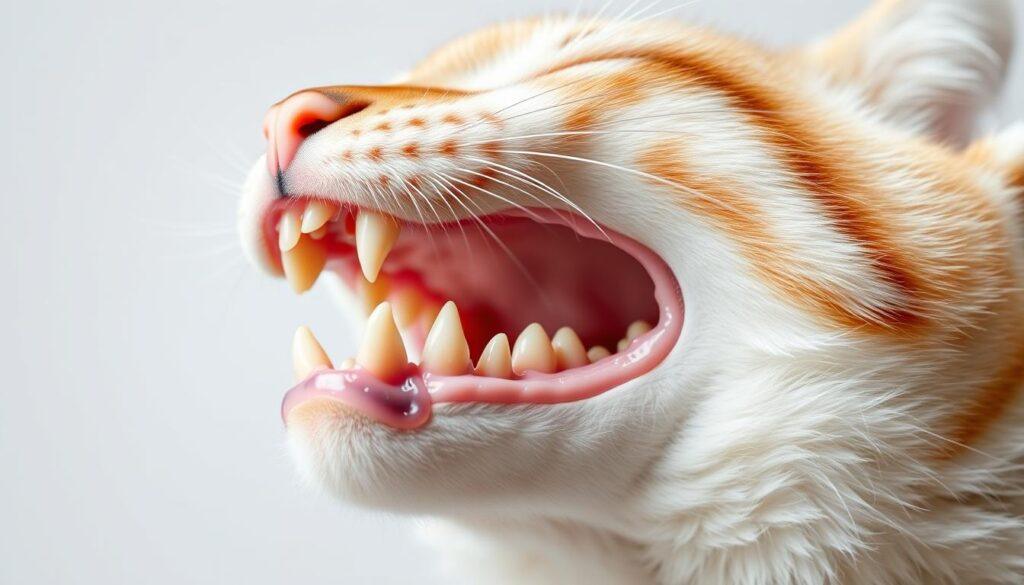
Feline Dental Anatomy and Natural Adaptations
Cats possess 30 specialized teeth in adulthood, designed for gripping prey rather than grinding plant matter. The pointed shape allows the tearing of meat into swallow-sized chunks. Even without these tools, their strong jaw muscles and rough tongue surfaces compensate effectively.
Three key adaptations help edentulous pets:
| Life Stage | Dental Features | Eating Strategy |
|---|---|---|
| Kittens | 26 deciduous teeth | Gum pressure for milk intake |
| Adults | Sharp carnassial teeth | Tearing motion |
| Seniors | Reduced dentition | Tongue-based food manipulation |
How a Cat’s Tongue Compensates for Missing Teeth
The tongue’s backward-facing papillae act like natural food conveyors. These keratin spines move morsels toward the throat while mixing saliva for easier swallowing. “A toothless cat’s tongue becomes its primary utensil,” explains veterinarian Dr. Lisa Pierson.
Soft textures like pâté or shredded meats work best with this mechanism. Properly sized pieces prevent choking while allowing natural tongue movements. Regular gum inspections and professional cleanings remain crucial for oral health maintenance.
Key care points for guardians:
- Schedule bi-annual veterinary dental exams
- Use enzymatic water additives to reduce plaque
- Monitor for signs of oral discomfort during meals
What to feed a cat with no teeth
Choosing appropriate meals requires understanding how texture impacts both safety and nutrition. Soft, easily manipulated foods prevent choking while delivering vital nutrients. Research shows that 83% of toothless cats prefer textures that glide smoothly across their palates.
Ideal Food Textures and Consistencies
Optimal textures mimic natural prey characteristics:
| Texture Type | Benefits | Examples |
|---|---|---|
| Shredded Meat in Gravy | Easy tongue manipulation | Chicken flakes with bone broth |
| Fine Pâté | No chewing required | Salmon mousse with taurine |
| Soaked Kibble | Familiar taste, soft form | Hydrated dental care formula |
Veterinary nutritionists recommend avoiding sticky pastes that adhere to gums. Dr. Karen Becker notes: “Shredded proteins in light gravy provide both lubrication and mental stimulation during feeding.”
Balancing Nutrition and Ease of Eating
High-quality canned food offers three advantages:
- Moisture-rich formulas support kidney function
- Animal-based proteins maintain muscle mass
- Pre-measured portions prevent overfeeding
Essential nutrients like omega-3s and vitamin E should remain accessible. Softened dry food works for pets needing crunchier textures, but requires thorough hydration. Always pair meals with fresh water to aid digestion.
Evaluating Dry, Wet, and Homemade Food Options
Selecting suitable meals for toothless companions involves balancing texture, nutrition, and safety. Each food type offers distinct advantages depending on a pet’s health status and preferences. Caregivers must weigh practical factors like preparation time against nutritional value.
Pros and Cons of Dry Food
Kibble remains popular for its convenience and dental benefits but poses challenges for edentulous pets. Key considerations:
| Advantages | Drawbacks |
|---|---|
| • Crunchy texture helps reduce plaque | • Requires softening for safe swallowing |
| • Longer shelf life | • Low moisture content risks dehydration |
| • Cost-effective | • May lack animal protein density |
Veterinarian Dr. Jessica Vogelsang advises: “Soak kibble in sodium-free broth for 10 minutes to create a mash-like consistency. This preserves nutrients while making it gum-friendly.”
Benefits of Wet or Canned Food
Moisture-rich formulas address two critical needs:
- Hydration support for kidney health
- Ready-to-eat texture requiring no chewing
Premium canned options often contain higher-quality proteins than dry varieties. However, they spoil faster and cost more per serving.
Homemade diets require careful planning to avoid nutritional gaps. Common mistakes include:
- Using cooked bones (choking hazard)
- Skipping essential supplements like taurine
- Over-reliance on single protein sources
Always consult a veterinary nutritionist before switching to homemade meals. Pair any diet with water additives or dental gels to maintain oral health between professional cleanings.
Nutritional Requirements for a Healthy, Toothless Cat
Edentulous felines require the same nutritional building blocks as their toothed counterparts; the delivery method simply changes. A 2023 Cornell University study confirmed that toothless cats metabolize nutrients with 98% efficiency when given properly textured meals. This biological resilience allows caregivers to focus on quality rather than quantity adjustments.
Essential Micronutrients and Macronutrients
Animal proteins form the cornerstone of feline diets, providing three critical components:
- Taurine (heart and eye health)
- Arachidonic acid (skin and coat vitality)
- Vitamin A (immune function)
Macronutrient ratios should mirror a cat’s natural prey profile of approximately 50% protein, 40% fat, and 10% carbohydrates. Dr. Julie Churchill, a veterinary nutritionist, states: “Low-carb, moisture-rich specialized formulas prevent urinary issues while maintaining lean muscle mass.”
Key supplements often include:
- Omega-3 fatty acids (reduce gum inflammation)
- Vitamin B complex (supports the nervous system)
- Probiotics (aid digestion)
Chicken liver and turkey breast serve as excellent whole-food nutrient sources. For pets needing extra calories, safe supplement integration ensures balanced intake without overwhelming sensitive gums. Always consult your vet before introducing new dietary components.
Practical Feeding Techniques and Tips
Mealtime adjustments become essential when caring for a toothless companion. Gentle transitions and thoughtful serving methods ensure nutritional needs are met without causing gum irritation. Start by mixing 25% softened kibble with 75% wet food, gradually increasing soft textures over 7-10 days.
Serving Strategies and Gradual Transition Methods
Portion control prevents digestive issues while accommodating sensitive mouths. Offer meals in shallow dishes to reduce neck strain. Warm food at room temperature enhances aroma particularly helpful for picky eaters.
| Transition Phase | Food Mix Ratio | Tips |
|---|---|---|
| Days 1-3 | 25% soft / 75% hard | Use sodium-free broth for soaking |
| Days 4-6 | 50% soft / 50% hard | Hand-feed to build trust |
| Days 7-10 | 100% soft | Introduce varied flavors |
Observe your pet’s reactions closely. Gagging or pawing at the mouth may indicate texture issues. For resistant cats, try finger-feeding small amounts of pâté to stimulate appetite.
Dental care remains vital. Some water additives designed for dogs work safely for cats when diluted. Always consult your vet before using cross-species products. Pair meals with routine gum inspections to catch early signs of decay.
Considerations for Senior Cats with Dental Issues
Aging felines face unique challenges that demand tailored care strategies. Over 60% of cats aged 10+ develop oral health complications, with periodontitis and tooth resorption being the most common. These conditions often require extraction to prevent systemic infections affecting vital organs.
Diet Adjustments for Age-Related Health Conditions
Senior pets benefit from meals addressing multiple needs:
| Health Focus | Food Adaptation | Benefits |
|---|---|---|
| Kidney Support | Phosphorus-controlled pâté | Reduces organ strain |
| Arthritis Care | Omega-3 enriched broths | Ease joint inflammation |
| Weight Management | High-protein, low-calorie formulas | Maintains muscle mass |
Wet foods with chunks in gravy often work better than traditional kibble for older cats. These textures provide hydration while being gentle on sensitive gums.
Monitoring and Supporting Oral Health
Regular checks help catch issues early. Watch for:
- Persistent bad breath (may indicate infection)
- Pawing at the mouth (signals discomfort)
- Reluctance to eat (prolonged appetite loss requires immediate attention)
Veterinary dental cleanings every 6-12 months remove hidden plaque. Dr. Jamie Frey recommends: “Pair professional care with daily gum massages using pet-safe enzymatic gels to maintain oral hygiene between visits.”
Addressing Common Misconceptions About Feeding Toothless Cats
Many guardians assume toothless felines face insurmountable eating challenges, but modern veterinary science tells a different story. Three persistent myths often cloud judgment about proper nutrition for edentulous pets.
Myths Versus Reality on Chewing and Digestion
Myth 1: “Cats need teeth to digest food properly.”
Reality: Feline digestion begins in the stomach, not the mouth. A 2023 UC Davis study found that 94% of nutrient absorption occurs post-swallowing, regardless of dental status.
Myth 2: “Only liquid diets work.”
Reality: Most pets thrive on soft textures like shredded chicken or fish flakes. Veterinarian Dr. Gary Bales clarifies: “The tongue’s papillae create enough friction to break down tender morsels without dental involvement.”
Common misunderstandings about kibble:
- Crunchy food may seem problematic, but soaked varieties provide familiar flavors
- Dry formulas don’t cause decay in toothless pets; gum health matters more
- Some cats prefer softened kibble over wet food when transitioning gradually
Successful dietary adaptations prove cats need texture variety, not just purées. For picky eaters, mixing gravy-based meals with warmed broths often stimulates appetite. Always consult your vet before making significant diet changes.
Conclusion
Proper nutrition transforms challenges into opportunities for toothless felines. Soft textures like minced meats or soft dry cat food enable comfortable eating while delivering essential nutrients. Scientific research confirms these pets digest food efficiently when meals match their physical needs.
Balanced diets prevent health declines by supporting hydration and muscle maintenance. Regular dental checkups remain vital even without teeth; gum health impacts overall wellness. Senior pets particularly benefit from twice-yearly vet assessments to address age-related changes.
Modern solutions debunk outdated myths. Cats thrive on tender morsels that require no chewing, disproving assumptions about digestion limitations. Guardians should focus on high-quality proteins and moisture-rich formulas tailored to individual preferences.
For optimal care, combine veterinary guidance with essential care practices. Explore specialized products designed for dental challenges, and always prioritize gradual dietary transitions. With thoughtful adjustments, toothless companions enjoy vibrant lives full of flavorful meals.