
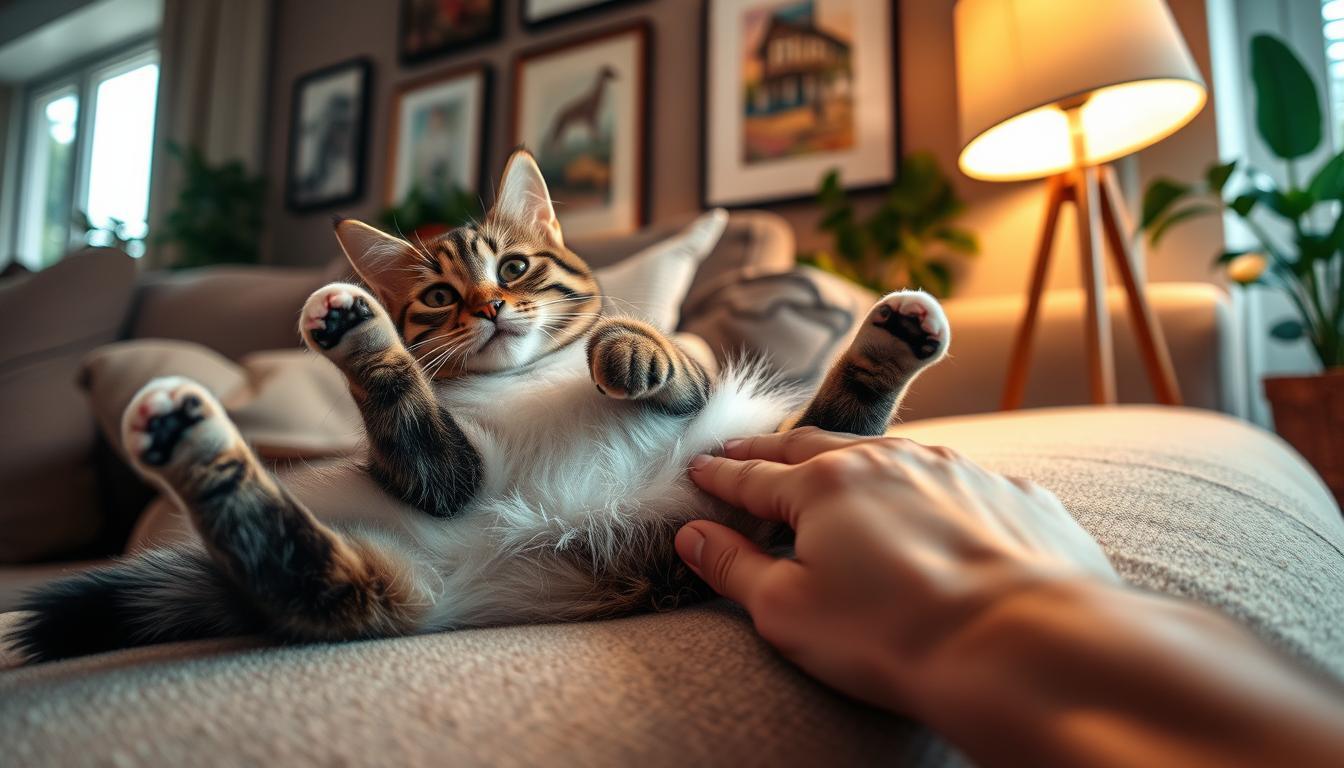
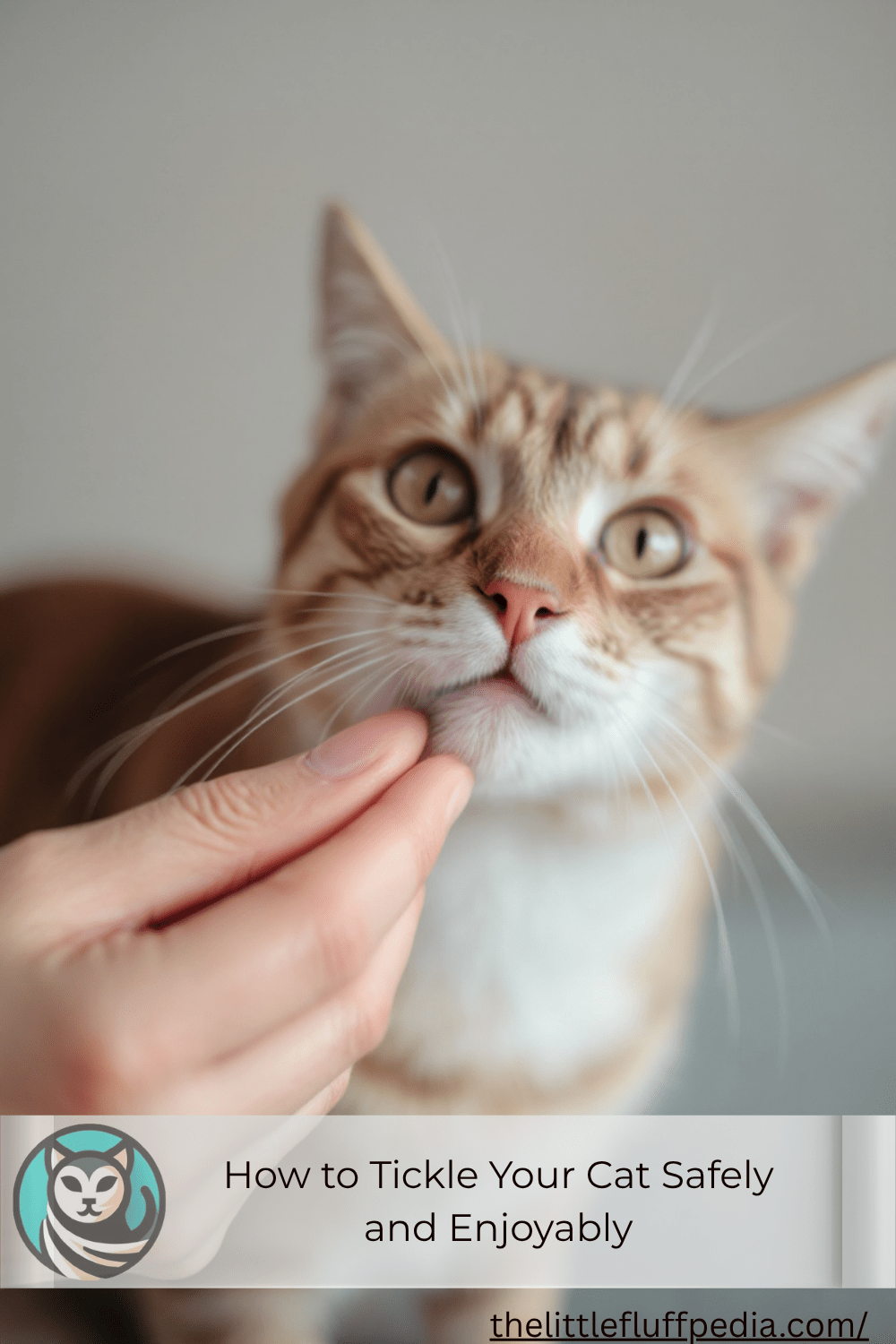
Você sabia que 88% of feline owners share their beds with their pets? This surprising closeness highlights the deep connections humans form with their whiskered companions. While every cat has distinct preferences, knowing how to tickle a cat through gentle interaction can strengthen your bond if done thoughtfully.
This guide explores playful ways to engage your pet while respecting their boundaries. Recognizing subtle cues, like relaxed ears or slow blinks, helps ensure positive experiences. For example, understanding feline body language reveals whether they enjoy cheek scratches or prefer chin rubs.
Focus on areas where cats naturally exchange scent markers, like the head and neck. Always let your furry friend initiate contact first, patience builds trust. Remember, some may adore belly tickles, while others see them as invasions, as noted in this expert guide to feline touch preferences.
Principais conclusões
- Each animal has unique touch preferences, requiring observation
- Safe zones include cheeks, chin, and shoulders
- Watch for relaxed postures or tense reactions
- Positive interactions deepen mutual trust
- Learn 17 signs of feline affection to gauge comfort
- Always prioritize consent over forced play
Understanding Cat Behavior and Ticklishness
Cats experience the world through heightened senses, with nerve endings making their skin highly responsive. Their ticklish sensations stem from specialized receptors called mechanoreceptors, which detect pressure and movement. These biological tools evolved to help felines navigate tight spaces and sense prey, but they also explain why gentle touches trigger unique reactions.
Why Cats Are Ticklish
Whiskers and ears contain dense clusters of nerves, turning these areas into sensitivity hotspots. When stroked lightly, many cats display playful comportamento, like cheek nudging or purring. However, excessive pressure can overwhelm their nervous system, leading to defensive reactions such as ear flicking or tail twitching. A study on feline interactions found that 63% of cats enjoy chin scratches but avoid prolonged belly contact.
Factors That Influence Their Ticklish Response
Individual differences matter. Kittens often tolerate more tactile play, while seniors prefer gentle head rubs. Environmental factors like stress levels or experiences also shape preferences. Observe these cues to tailor interactions:
| Positive Reactions | Negative Signals |
|---|---|
| Slow blinking | Biting or swatting |
| Leaning into touch | Flattened ears |
| Kneading paws | Rapid tail lashing |
Focus on the head and ears for safer engagement. Short, feather-light strokes mimic social grooming, building trust. If your companion pulls away, respect their boundary’s consistency fosters comfort.
Reading Your Cat’s Body Language
Feline communication relies heavily on physical cues that reveal their comfort levels. Subtle shifts in posture, ear positions, and tail movements act as a real-time mood barometer. Learning these signals helps create enjoyable interactions while avoiding stress.

Recognizing Positive Reactions
Relaxed body language regularly signals contentment. Purring, slow blinking, and gentle head nudges indicate approval. Kneading paws or an upright, loosely curved tail also show engagement. For example, many felines lean into cheek scratches while emitting soft chirps, in a clear “keep going” response.
Identifying Signs of Discomfort
Watch for tense muscles or sudden stillness. Flattened ears, dilated pupils, and low growls warn of irritation. Twitching tails or abrupt grooming sessions often mean overstimulation. According to feline behavior experts, raised hackles or rapid ear flicking require immediate space.
Adjust your approach based on these cues. If whiskers point forward during play, continue light strokes. If the corpo stiffens, pause and let them retreat. Studies show that 78% of cats prefer short sessions to stop before signals escalate.
For nuanced cases, like tail twitches during petting, consult guides on interpreting mixed messages. Remember: respecting boundaries strengthens trust far more than forced interaction.
How to Tickle a Cat: Safe and Fun Techniques
Feline friends regularly enjoy playful interactions when approached with care. Focus on zones where they naturally seek affection, like the head and chin, while avoiding overstimulation. Successful engagement combines light touches with keen observation of their comfort levels.
Gentle Touch Areas: Head, Chin, and Ears
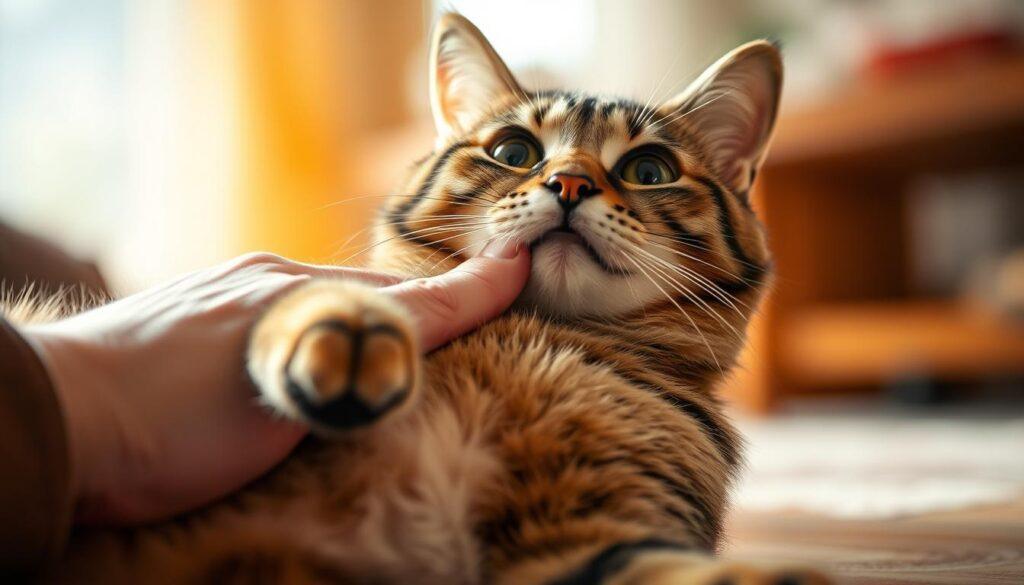
Start by offering slow strokes along the cheeks or under the jawline. These regions contain scent glands cats use for bonding, making them ideal for gentle tickling. Many felines lean into chin scratches or nudge hands toward their ears, clear signs of approval.
Effective, Light Tickling Methods
Use fingertips to create feather-like motions, mimicking social grooming. Follow this simple approach:
- Begin with 2-3 second strokes near the ears
- Gradually move toward the chin if reactions remain positive
- Pause frequently to let your companion reinitiate contact
| Safe Zones | Sensitive Areas |
|---|---|
| Cheeks | Belly |
| Chin | Paws |
| Atrás das orelhas | Base da cauda |
Limit sessions to 1–2 minutes to prevent overstimulation. Watch for relaxed whiskers or purring, these signals suggest enjoyment. If the tails flick rapidly or the pele twitches, switch to stationary petting. For detailed techniques, explore this step-by-step guide tailored to feline preferences.
Always prioritize soft touches over vigorous rubbing. Positive experiences build trust, turning brief interactions into cherished routines. Remember: every cat’s tolerance varies, so adapt your methods to their unique personality.
Adapting Tickling to Your Cat’s Unique Personality
Every feline has distinct preferences shaped by breed traits, experiences, and temperament. Observing these nuances allows owners to craft interactions that align with their companion’s comfort zones. What delights one might overwhelm another, success lies in flexible approaches tailored to individual quirks.
Customizing Your Approach Based on Behavior
Active cats often prefer dynamic play over stationary petting. Try brief chin scratches during energetic moments. For reserved companions, slow ear strokes during quiet times work better. Watch for these signals:
- Curious explorers may enjoy cheek rubs between play sessions
- Shy cats often respond to gentle temple touches
- Social butterflies might lean into prolonged chin scratches
Adjusting Techniques for Different Sensitivities
Senior cats or those with health concerns require lighter pressure. Use one finger for delicate areas like whisker pads. For overstimulated pets, redirect energy with toys instead of direct contact. Always pair touch with positive reinforcement like soft praise.
| Personality Type | Preferred Method | Alternative |
|---|---|---|
| Lúdico | Quick cheek taps | Feather toys |
| Cautious | Stationary chin rest | Blink-and-step-back |
| Touch-sensitive | Head-only contact | Environmental enrichment |
Owners should experiment cautiously, stopping at first signs of tension. If reactions vary, consider calm restraint methods for brief sessions. Remember: adapting to their needs not forcing yours builds lasting trust.
Conclusão
Building trust with your feline companion hinges on mindful interaction. Recognizing subtle cues like a relaxed tail or tense ears ensures playful moments remain enjoyable. Positive reactions, such as purring or gentle nudges, signal approval, while flattened ears or sudden stillness demand immediate pause.
Tailor your approach to match individual preferences. Focus on safe zones like the chin or cheeks, using light hand motions that mimic social grooming. Studies show over 60% of cats prefer brief, focused contact over prolonged sessions. Always let your furry friend set the pace.
Key reminders for successful bonding:
- Observe body language closely and stop at first signs of discomfort
- Respect boundaries to maintain mutual trust
- Adjust techniques based on personality and sensitivity
For deeper insights into feline reactions, explore this guide to understanding feline reactions. Prioritizing their comfort strengthens your bond, turning brief interactions into cherished routines. Remember: patience and observation create lasting connections between humans and their whiskered companions.

Thank you, this was really helpful!
Glad you enjoyed reading it!