
Did you know that a cat’s meal can take over a day to process through its body fully? While humans typically digest food in 12–48 hours, feline digestion operates on a faster, protein-focused timeline. This difference stems from their unique anatomy and evolutionary needs as obligate carnivores. Understanding how long it takes a cat to digest food can help cat owners better manage their pets’ dietary needs.
Cats break down meals through a specialized system optimized for meat. Their stomachs empty within 1–3 hours, but full nutrient absorption can take 15–24 hours. Unlike humans, they lack significant salivary enzymes for carbohydrates, relying instead on powerful stomach acids to process prey.
Several factors influence this timeline, including meal size, age, and digestive health in cats. For instance, kittens process food more quickly than seniors, while high-fat diets may slow down digestion. Understanding these variables helps owners spot potential problemas and optimize feeding routines.
Principais conclusões
- Cats digest food faster than humans, typically within 12–24 hours
- Their short digestive tract evolved for processing protein-rich meals
- Stomach emptying occurs rapidly (1–3 hours) compared to nutrient absorption
- Diet composition directly impacts digestion speed and efficiency
- Signs of slow digestion may indicate health issues requiring veterinary care
Introduction
A cat’s nutritional needs directly impact its overall health. Unlike humans or dogs, felines evolved as hunters requiring frequent, protein-packed meals. Their compact stomachs hold only 1–2 tablespoons of food at a time, a trait explaining why most prefer grazing over large portions.
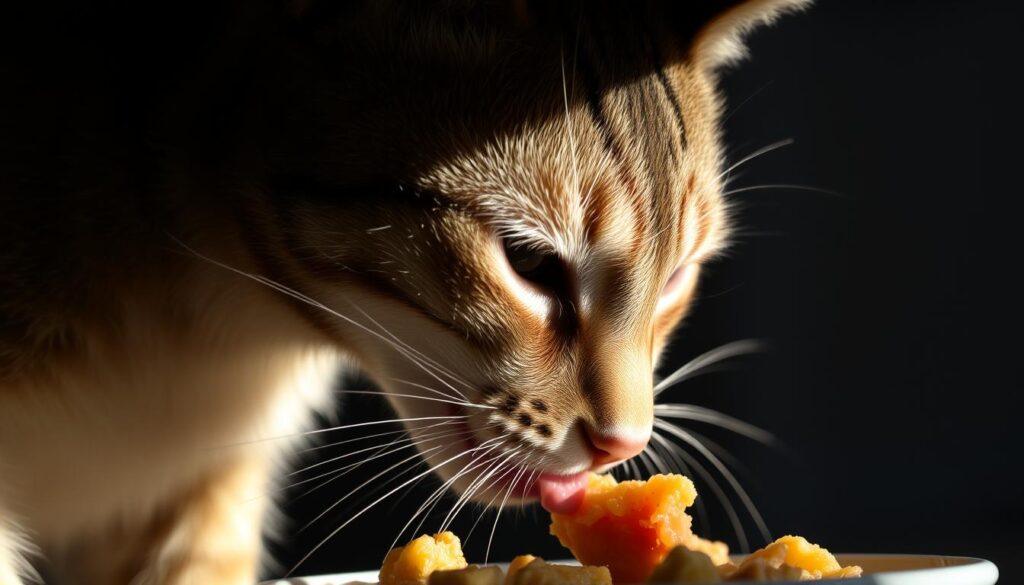
Wild cats eat 10–20 small prey animals daily. Domestic counterparts retain this instinct, often nibbling 12–15 times per day. This “little and often” approach keeps their cat’s digestive system active without overloading it. Compare this to humans, who typically process three larger meals:
| Espécies | Daily Meals | Stomach Capacity | Primary Nutrient |
|---|---|---|---|
| Gatos | 12–15 | 1–2 tbsp | Animal protein |
| Humans | 3–4 | 1–1.5 liters | Carbohydrates |
| Cães | 2–3 | 0.5–1.5 cups | Mixed nutrients |
Protein-rich cat food supports efficient digestion. Cats lack enzymes to break down plant matter effectively, making meat essential. Low-quality diets with fillers often lead to problemas digestivos like hairballs or irregular bowel movements.
Upcoming sections explore how meal frequency, hydration, and food texture affect processing speed. You’ll learn practical strategies to optimize your pet’s dieta and recognize warning signs requiring veterinary attention.
Understanding Your Cat’s Unique Digestive System
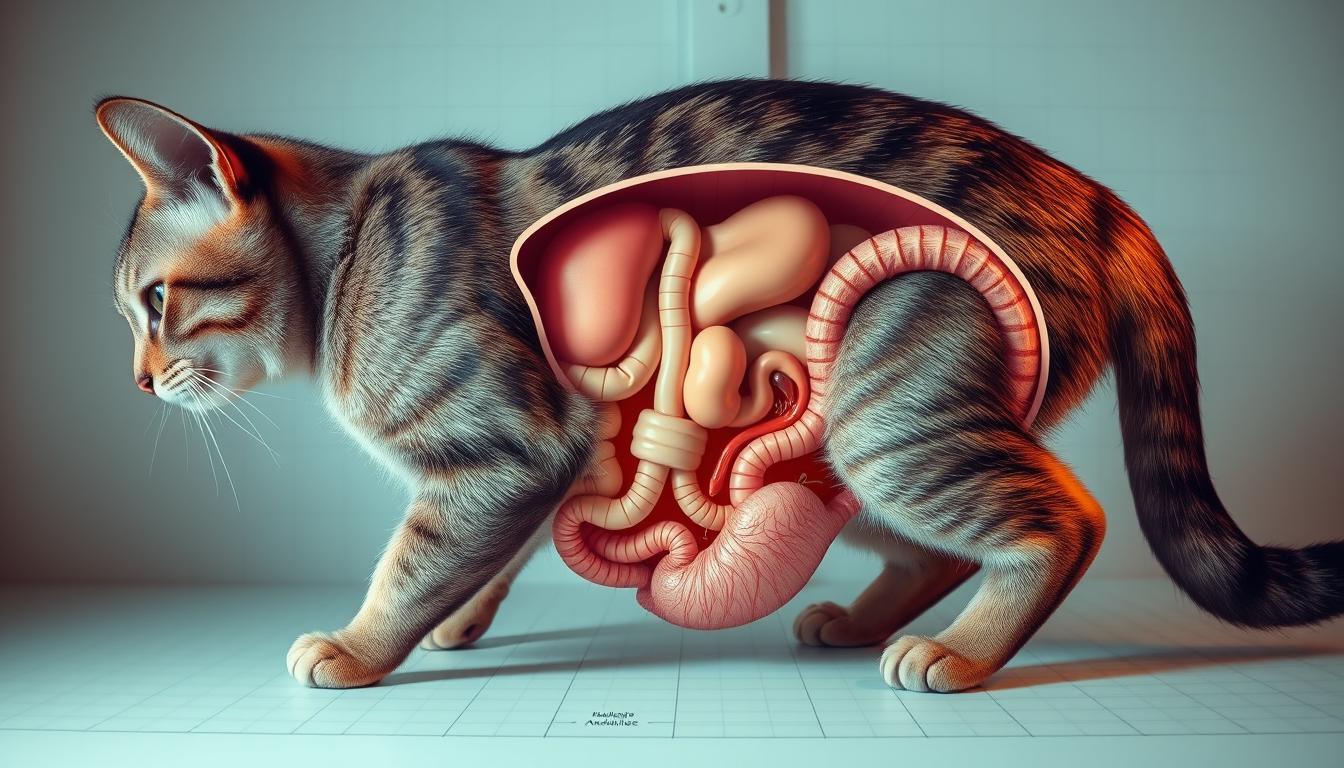
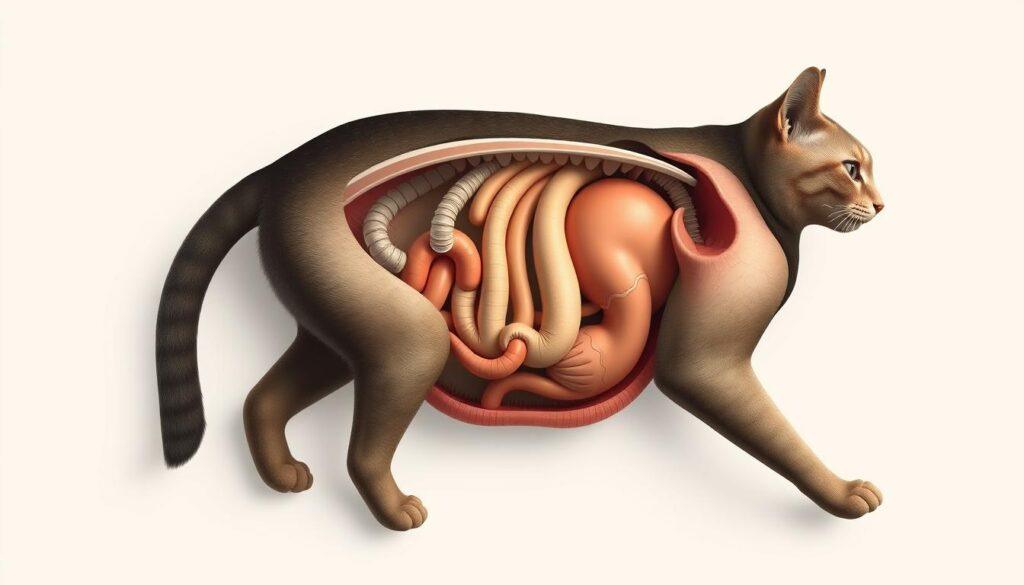
A cat’s biology reveals why their eating patterns differ from ours. Their compact digestive tract evolved for the rapid processing of meat-based meals, reflecting their ancestral role as hunters.
Digestive Anatomy Overview
Feline digestion begins with specialized mouth structures. Unlike humans, cats have rough tongues designed for stripping meat from bones. Their teeth lack flat molars for grinding plants, focusing instead on tearing flesh.
The esophagus pushes food quickly to the acidic stomach. A cat’s gastric pH ranges from 1-2, three times stronger than ours. This acidity breaks down proteins efficiently and kills harmful bacteria from raw prey.
Nutrient absorption occurs in a short intestinal system. At just 1.5 times body length (compared to humans’ 10x), this design prioritizes speed over thorough plant digestion. The pancreas and liver produce enzymes targeting animal fats and proteins.
Differences Between Cats and Humans
Humans have 9,000 taste buds, while cats possess only 470. This explains why they often gulp food without thoroughly chewing it. Their quick transit time, food moves through in hours rather than days, prevents bacterial growth from decaying meat.
Cats lack salivary amylase, an enzyme that starts breaking down carbs. Their systems instead rely on proteases and lipases for processing meat and fats. This makes high-carb diets challenging to digest, often leading to digestive issues like vomiting or irregular stools.
Factors Influencing Digestion Time in Cats
Multiple elements shape how quickly a cat processes its meals. While their biology plays a key role, external factors like feeding routines and food choices create noticeable differences in processing speed.
Meal Size and Frequency
A cat’s stomach holds just 1.5–2 ounces of food. Smaller portions eaten throughout the day match their natural grazing behavior. Research shows frequent nibbling keeps their system active, reducing full processing tempo to 12–16 hours compared to 20+ hours for larger meals.
Overfeeding strains their digestive tract. Free-fed cats often experience slower nutrient absorption and irregular bowel movements. Structured meal plans with measured portions support consistent digestion timelines.
Food Type and Texture
Wet food containing 70–80% moisture moves through the system faster than dry kibble. The added water content aids breakdown, while dense carbohydrates in dry food require more processing effort. Pâté textures digest quickly than chunky or shredded varieties.
Environmental problemas like loud noises or competition during meals can suppress appetite and disrupt digestion. A 2022 study found that stressed cats took 30% longer to process identical meals compared to relaxed felines. Creating quiet feeding zones minimizes these stress-related digestive issues.
The Digestive Process: From Ingestion to Elimination
A cat’s meal begins its journey through a precisely tuned biological factory. The process transforms raw nutrients into energy while filtering out waste all within a day.
Mouth and Stomach Breakdown
Sharp teeth shred meat into swallow-sized pieces. The tongue’s sandpaper texture pushes food toward the throat while stomach acids prepare for arrival. Gastric juices start working within minutes, mixing with food to create chyme.
Powerful hydrochloric acid (pH 1-2) dissolves proteins and bones. Enzymes like pepsin target muscle tissue, while lipases handle fats. This phase typically lasts 1-3 hours before moving to the intestines.
| Stage | Duração | Key Actions |
|---|---|---|
| Mouth | 2-5 minutes | Mechanical shredding |
| Stomach | 1-3 hours | Protein breakdown |
| Small Intestine | 4-6 hours | Nutrient absorption |
| Large Intestine | 8-12 hours | Water extraction |
Nutrient Harvest and Waste Removal
The small intestine absorbs approximately 90% of nutrients through villi, which are finger-like projections. These structures transfer amino acids and fats into the bloodstream. Undigested material enters the colon for final processing.
Water reabsorption occurs here, forming solid waste. Digestive problems like diarrhea happen when this system absorbs too little moisture. Healthy cats typically eliminate waste 12 to 24 hours after eating.
Watch for signs like frequent vomiting or undigested food in stool. These may indicate issues requiring dietary adjustments or veterinary care. Regular monitoring helps maintain optimal digestive health.
How long does it take a cat to digest food?
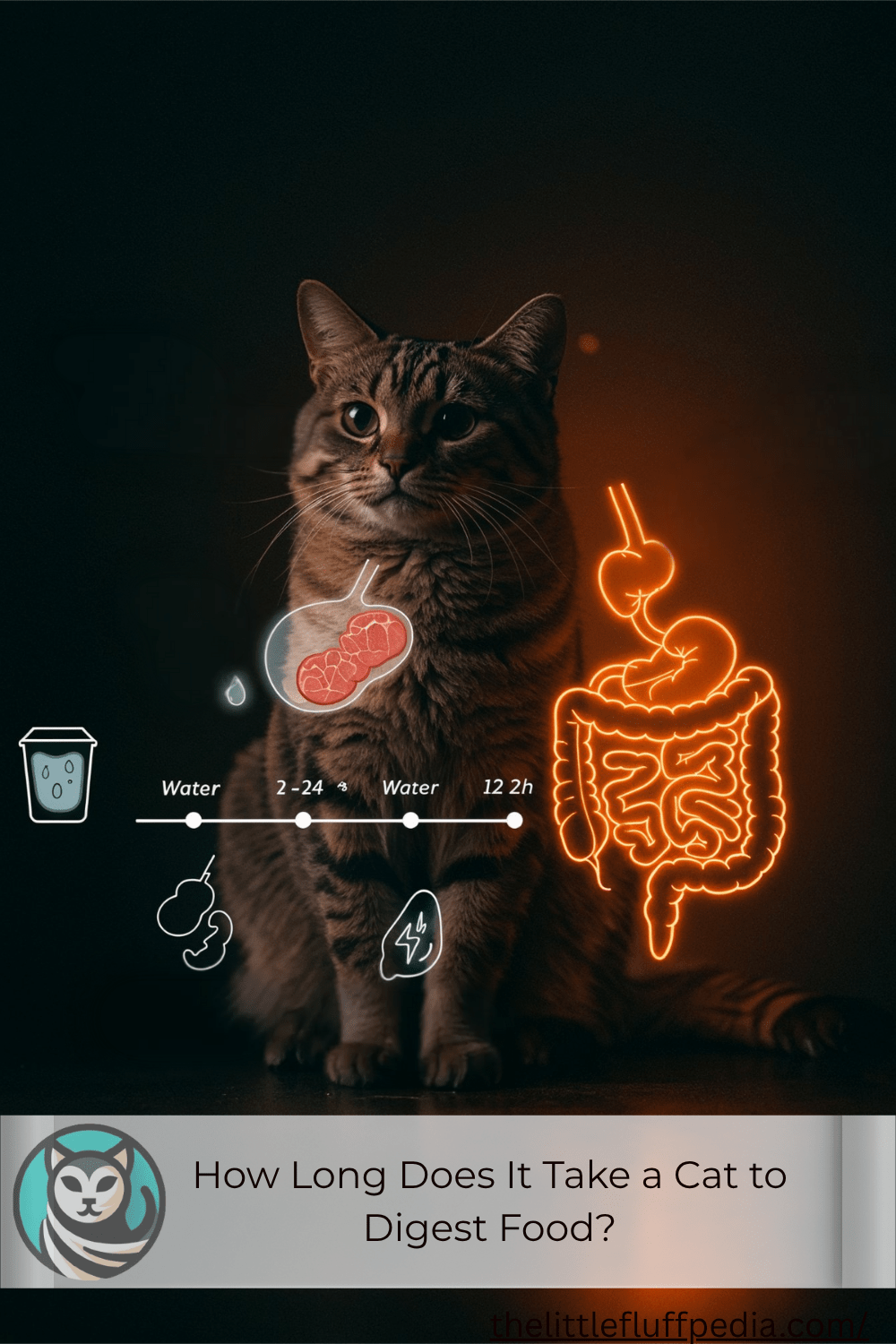
Feline digestion timelines often surprise pet owners. While full intestinal transit averages 26–35 hours, active nutrient processing typically completes within 12–24 hours. This difference occurs because most digestive work takes place early, with later stages focusing on maintaining water balance and waste formation.
Meal composition creates significant changes in processing speed. High-protein wet foods may clear the stomach in 90 minutes, while dry kibble with plant fillers can linger for 3+ hours. Veterinary nutritionists recommend monitoring portion amounts to maintain consistent digestion rates.
The large intestine spends 8–12 hours extracting moisture, not breaking down nutrients. This explains why hairballs or indigestible materials appear in litter boxes long after meals. Factors like hydration levels and activity balance further influence elimination patterns.
Three key phases define the process:
- Nutrient extraction: 4–6 hours in the small intestine
- Water recovery: 8+ hours in the colon
- Waste elimination: Timing varies by individual metabolism
For cats experiencing irregular times between meals and bowel movements, diet adjustments often help stabilize digestion. Track feeding schedules and stool consistency to identify needed changes and sudden shifts that warrant professional advice.
Recognizing Common Signs of Digestive Issues in Cats
Cats often mask discomfort, making early symptom detection vital for their well-being. Subtle changes in behavior or bodily functions can signal disruptions in their digestive system. Owners should regularly monitor eating patterns and litter box habits to catch problems quickly.
Key Warning Signs
Frequent vomiting (occurring more than once a week) often indicates irritation or blockages. Diarrhea lasting over 24 hours risks dehydration, while constipation shows as straining or small, hard stools. Sudden loss of appetite or weight changes also demands attention.
| Sintoma | Normal Frequency | Problem Threshold | Action Required |
|---|---|---|---|
| Vomiting | Occasional hairballs | Weekly episodes | Diet review |
| Diarrhea | Rare | 24+ hours | Hydration check |
| Constipation | Every 1-2 days | 3+ days | Vet consultation |
Critical Red Flags
Seek immediate veterinary care if you notice blood in vomit/stool, lethargy, or dry heaving episodes. These may indicate obstructions or systemic illnesses. Persistent symptoms lasting 48 hours or more often require professional diagnosis and treatment.
Track your cat’s digestive health by maintaining a symptom journal. Note food intake, stool consistency, and energy levels. This data helps veterinarians identify patterns and recommend targeted solutions for digestive problems.
Strategies to Support a Healthy Cat Digestion
Proper nutrition and feeding practices form the foundation of feline digestive wellness. Tailoring meals and routines to your pet’s biological needs helps maintain efficient nutrient absorption while minimizing digestive health risks.
Optimizing Nutritional Intake
High-quality proteins should dominate your cat’s diet, and aim for 40-50% content in commercial foods. Low-carbohydrate formulas with 3-5% fiber prevent digestive problems while supporting regular bowel movements. Gradual transitions between foods (over 7-10 days) help sensitive systems adapt without stress.
“Cats thrive on consistency sudden dietary changes disrupt their gut microbiome balance,” notes Dr. Emily Carter, veterinary nutritionist.
| Tipo de alimento | Teor de proteínas | Moisture Level | Digestion Time |
|---|---|---|---|
| Wet Food | 50-60% | 75-85% | 12-18 hours |
| Dry Kibble | 30-40% | 5-10% | 20-26 hours |
| Raw Diet | 60-70% | 70-75% | 10-15 hours |
Stress-Free Feeding Practices
Create quiet eating zones away from foot traffic and loud appliances. Elevated ceramic bowls reduce neck strain, while puzzle feeders mimic natural hunting behaviors. Studies show cats digest meals 25% faster in calm environments compared to chaotic spaces.
Key environmental factors:
- Separate food/water stations
- Non-reflective stainless steel bowls
- Consistent meal schedules
Monitor your pet’s digestive health through regular litter box checks. Firm, moist stools indicate proper processing, while dry pellets or loose waste may signal hydration issues. Always provide fresh water. Cats consuming wet food still need 2-4 ounces daily.
Nutritional Tips for Optimal Cat Digestive Health
Proper nutrition fuels every stage of a cat’s digestive journey. Tailoring meals to their biological needs supports efficient nutrient absorption and prevents common issues like hairballs and weight management challenges.
Protein: The Digestive Cornerstone
Animal-based proteins should form 90% of feline meals. Look for foods listing whole meats (chicken, turkey, fish) as first ingredients. These provide essential amino acids that maintain muscle mass and support healthy digestive function.
| Protein Source | Digestibility | Recomendado % |
|---|---|---|
| Chicken | 95% | 35-45% |
| Salmon | 92% | 30-40% |
| Plant Proteins | 60-70% |
Balancing Fiber and Fluids
Moderate fiber (3-5%) helps regulate bowel movements. Pumpkin and psyllium husk aid digestion without causing weight loss. Always pair dry food with water-rich meals. Cats need 1 oz of fluid per pound daily.
Consider these hydration boosters:
- Wet food mixed with warm water
- Cat water fountains
- Broth-based treats
For specialized needs, veterinary-formulated diets offer precise nutrient balances. Brands like Royal Canin create small kibble options that promote chewing and slower eating.
Supplements can enhance digestion when used cautiously:
- Probiotics for gut flora balance
- Digestive enzymes for senior cats
- Omega-3s for intestinal health
Always consult your vet before making dietary changes. Regular check-ups help maintain your pet’s nutritional equilibrium and prevent digestive disruptions.
Conclusão
Feline digestion operates on a precise biological clock shaped by evolutionary needs. While most meals process within 12–24 hours, factors like diet quality, hydration, and stress levels can alter this timeline. Recognizing normal patterns helps owners spot digestive problems early, from sluggish processing to irregular elimination.
Persistent vomiting, diarrhea, or unexplained weight perda demands immediate veterinary attention. These symptoms often signal underlying feline digestive system issues requiring professional care. Even subtle changes in appetite or litter box habits warrant monitoring, as cats excel at hiding discomfort.
Maintain your pet’s saúde with protein-rich meals served at consistent times. Balance wet and dry foods to support hydration and nutrient absorption. Remember: what works for humans often harms cats due to their unique metabolic needs.
Proactive care prevents most problemas. Schedule annual check-ups, track eating behaviors, and consult your vet before dietary changes. With proper management, your cat’s digestion can remain efficient and trouble-free for years.
PERGUNTAS FREQUENTES
What’s the average time for a cat’s digestive process?
A healthy adult feline typically processes meals in 10–24 hours. This timeframe varies based on age, diet quality, and underlying health conditions. Kittens or seniors may experience slower rates due to metabolic differences.
How does a cat’s digestive system differ from that of humans?
Cats have shorter gastrointestinal tracts optimized for protein-rich, meat-based diets. Unlike humans, they lack enzymes that break down plant matter efficiently, making high-carbohydrate foods more difficult to process.
Can wet food vs. dry kibble affect digestion speed?
Yes. Wet food’s moisture content often moves faster through the stomach, while dry kibble requires more enzymatic breakdown. Brands like Royal Canin ou Hill’s Science Diet formulate textures to align with feline digestion needs.
What symptoms signal a potential digestive problem?
Frequent vomiting, diarrhea lasting over 24 hours, or constipation are red flags. Sudden weight loss or appetite changes also warrant a vet visit to rule out issues like pancreatitis or IBD.
How can I improve my cat’s digestive health?
Offer smaller, more frequent meals with balanced proteins, such as chicken or turkey. Incorporate fiber-rich sources like pumpkin and ensure access to freshwater. Probiotics from brands like Purina Pro Plan may also aid gut balance.
Does stress impact a cat’s ability to digest food?
Absolutely. Anxiety disrupts enzyme production and gut motility. Create quiet feeding zones away from loud noises or other pets to promote relaxed mealtimes.
Are hairballs part of normal digestion?
Occasional hairballs are common, but weekly occurrences suggest over-grooming or slow motility. Regular brushing and specialized diets like Iams Hairball Care can reduce buildup.