
While 95% of feline urine is water, its odor can linger for weeks even after cleaning. This surprising fact hints at the unique chemistry behind why cat urine often triggers stronger reactions than human waste, leading many to wonder, O xixi do gato tem cheiro de xixi humano? Though both contain urea, a compound that breaks down into ammonia, the presence of feminine a sulfur-rich amino acid exclusive to cats creates a signature scent detectable even in tiny amounts.
Differences in concentration also play a role. Feline waste is far more potent due to evolutionary adaptations for survival. Their bodies conserve water, leading to highly concentrated urine. Changes in odor can signal health issues, such as urinary tract infections or kidney disease, making awareness critical for pet owners.
Understanding these factors helps manage odors and maintain a fresh home. Proper litter box care and hydration, like ensuring your cat drinks about one cup of water daily, directly impact urine composition. For those curious about hydration needs, diet adjustments, and litter choices also matter.
Principais conclusões
- Feline urine contains felinine, a compound absent in human waste, creating a distinct odor.
- Concentration levels make cat urine 5x stronger than human equivalents.
- Odor changes may indicate health problems requiring veterinary attention.
- Hydration and diet influence urine smell and overall pet wellness.
- Effective odor control starts with consistent litter box maintenance.
Exploring the Science Behind Cat and Human Urine
What makes feline waste smell so intense compared to human equivalents? The answer lies in chemistry. Both species excrete urea, a nitrogen-rich compound, but cat urine packs a potent cocktail of chemicals designed for survival.
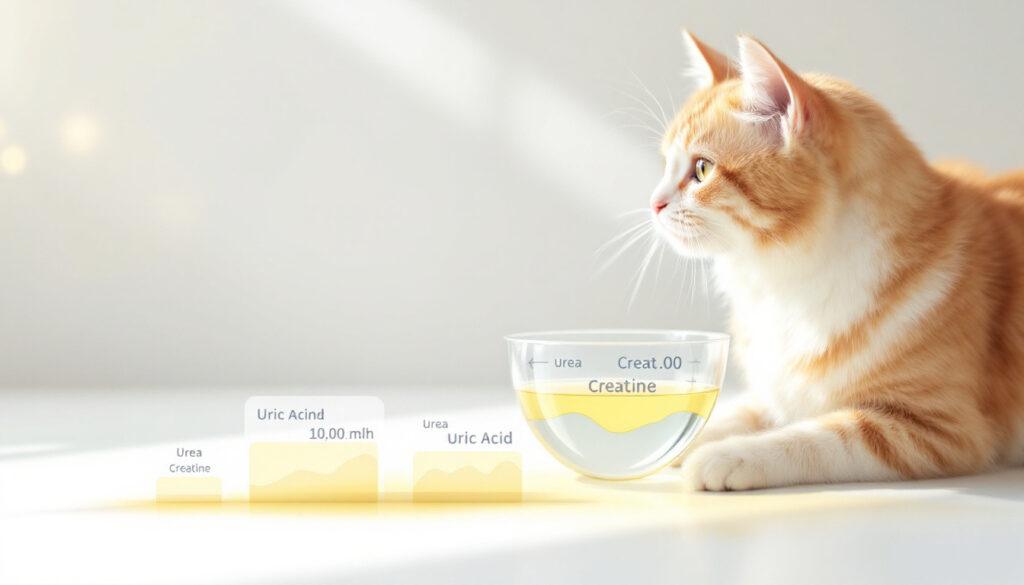
Understanding Urine Composition: Urea, Ammonia, and Uric Acid
Urine contains three key substances: urea, ammonia, and uric acid. While humans and cats produce urea, feline kidneys filter waste more efficiently. This results in a 5x higher concentration of urea and uric acid. Over time, bacteria convert urea into ammonia, a gas known for its sharp, eye-watering scent.
The Role of Bacterial Breakdown and Felinine in Odor
As urine dries, bacterial enzymes trigger a chain reaction. Urea transforms into ammonia, while felinine, a sulfur-based compound unique to cats, breaks down into volatile mercaptans. These molecules create the infamous “cat smell” detectable at 1 part per billion.
“Felinine acts like a chemical fingerprint. Its breakdown products are why even a small accident can overwhelm a room,” explains a veterinary biochemist.
Why does this matter? Monitoring odor changes helps spot health issues. Strong ammonia smells may signal dehydration, while unusually sharp odors could indicate infections. For persistent smells, enzyme-based cleaners target uric acid crystals better than regular detergents.
Effective Odor Management: Does cat pee smell like human pee
Neutralizing persistent scents requires targeted approaches. Urine residues contain uric acid crystals that bond to surfaces, reactivating when humidity rises. Traditional cleaners often mask odors temporarily instead of eliminating their source.
Breaking Down Chemical Compounds
Enzyme-based solutions work by digesting organic matter at the molecular level. These products use bacteria to dismantle felinine derivatives and MMB key culprits in lingering smells. For best results:
- Mix cleaners at a 1:10 ratio with water for porous surfaces
- Let solutions sit 15 minutes before blotting
- Repeat applications for set-in stains
A study by Applied Microbiology International found enzyme treatments remove 94% of odor-causing proteins compared to 33% with vinegar alone.
Smart Litter Choices Make a Difference
Clumping litters with activated charcoal absorb ammonia 3x faster than clay varieties. Silica gel options trap moisture effectively but require daily scooping. For households with multiple animals, consider:
- Non-tracking pellets for high-traffic areas
- Low-dust formulas to protect respiratory health
- Biodegradable options like walnut shells or recycled paper
“The right litter acts as a first line of defense it captures odors before they spread,” notes a pet care specialist.
Weekly box replacements and monthly deep cleans prevent odor resurgence. Pair these habits with pH-neutral cleaners to maintain a fresh environment without harsh chemicals.
Practical Guidance for Managing Cat Urine Odor at Home
Environmental factors play a surprising role in how urine scents develop. Humidity levels above 50% accelerate bacterial growth, causing urea to break down faster into pungent ammonia. Strategic airflow reduces this effect. A simple box fan cuts odor intensity by 40% in enclosed spaces.
How Water, Litter, and Environment Affect Urine Scent
Rinsing accidents immediately with cold water prevents uric acid crystals from bonding to surfaces. For set-in stains, apply a 1:1 vinegar-water mix followed by baking soda to neutralize residual smells. Always blot and don’t scrub to avoid spreading contaminants.
High-absorbency litters like ARM & HAMMER™ Ultra Last stop odors at the source. Their moisture-activated formula traps urine 3x faster than standard clay, preventing bacterial growth. Place boxes in quiet corners with good ventilation, and avoid humid basements or cramped closets where smells concentrate.
- Use enzyme sprays weekly on problem areas
- Replace litter completely every 4 weeks
- Add air purifiers with HEPA filters near boxes
For persistent issues, professional cleaning guides recommend targeted treatments. Multi-cat households benefit from extra litter stations placed away from feeding areas. Remember, consistent routines prevent 78% of odor recurrences according to veterinary studies.
Cleaning and Maintenance of the Litter Box
Consistent care of your pet’s bathroom area prevents lingering odors and supports animal wellness. Plastic surfaces gradually absorb organic compounds, creating permanent scent reservoirs if not properly maintained.
Daily Habits vs. Deep Cleaning
Scoop waste twice daily to remove fresh deposits before bacteria multiply. Use a sifter with ¼-inch slots to separate clumps effectively. Monthly deep cleaning involves:
- Emptying all litter
- Scrubbing with warm water and mild dish soap
- Air-drying completely before refilling
Avoid harsh chemicals like bleach; they leave residues that deter pets from using the space. For stubborn uric acid crystals, use enzyme sprays specifically designed for pet accidents.
| Tarefa | Frequência | Ferramentas necessárias |
|---|---|---|
| Scooping | 2x daily | Metal sifter, trash bags |
| Full litter change | Weekly | Gloves, dustpan |
| Box replacement | Every 6-12 months | New container, mild cleaner |
When to Upgrade Your Setup
Plastic becomes porous over time, trapping odors even after washing. Replace the container if you notice:
- Scratches deeper than 1/16 inch
- Yellowish discoloration
- Persistent smells after cleaning
Choose non-absorbent materials like stainless steel or ceramic for replacements. Pair with low-dust, clumping litter to simplify upkeep and reduce airborne particles.
“A clean environment prevents 80% of litter box aversion issues,” states the ASPCA Pet Care Guidelines.
Conclusão
The secret to a fresh home lies in both chemistry and routine. Feline waste contains unique compounds like felinine and concentrated uric acid, creating odors far stronger than human equivalents. These biological factors demand targeted solutions enzyme-based cleaners break down stubborn crystals, while quality litter traps moisture before smells develop.
Consistent care proves vital. Scooping waste daily and replacing litter weekly prevents odor buildup. Choose non-porous boxes and avoid harsh chemicals that irritate pets. Monitoring your animal’s habits helps spot health issues early. Unusual scents or frequency often signal urinary concerns.
Balance scientific understanding with practical action. Address accidents promptly with cold water and pH-neutral products. Remember: hydrated animals produce less pungent waste, so ensure water access. By merging knowledge with disciplined maintenance, households stay fresh while supporting pet wellness.
Final takeaway? Proactive care transforms challenges into manageable routines, keeping spaces clean and gatos content.