
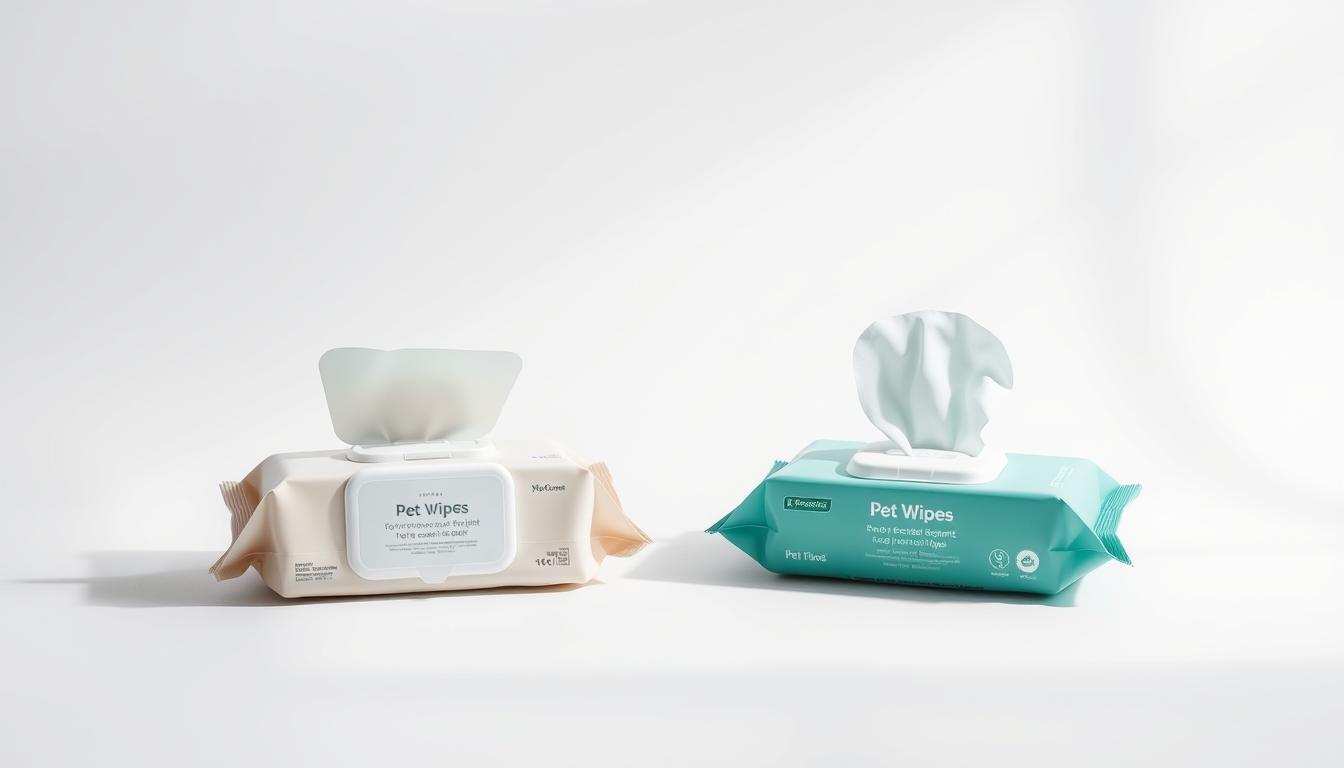
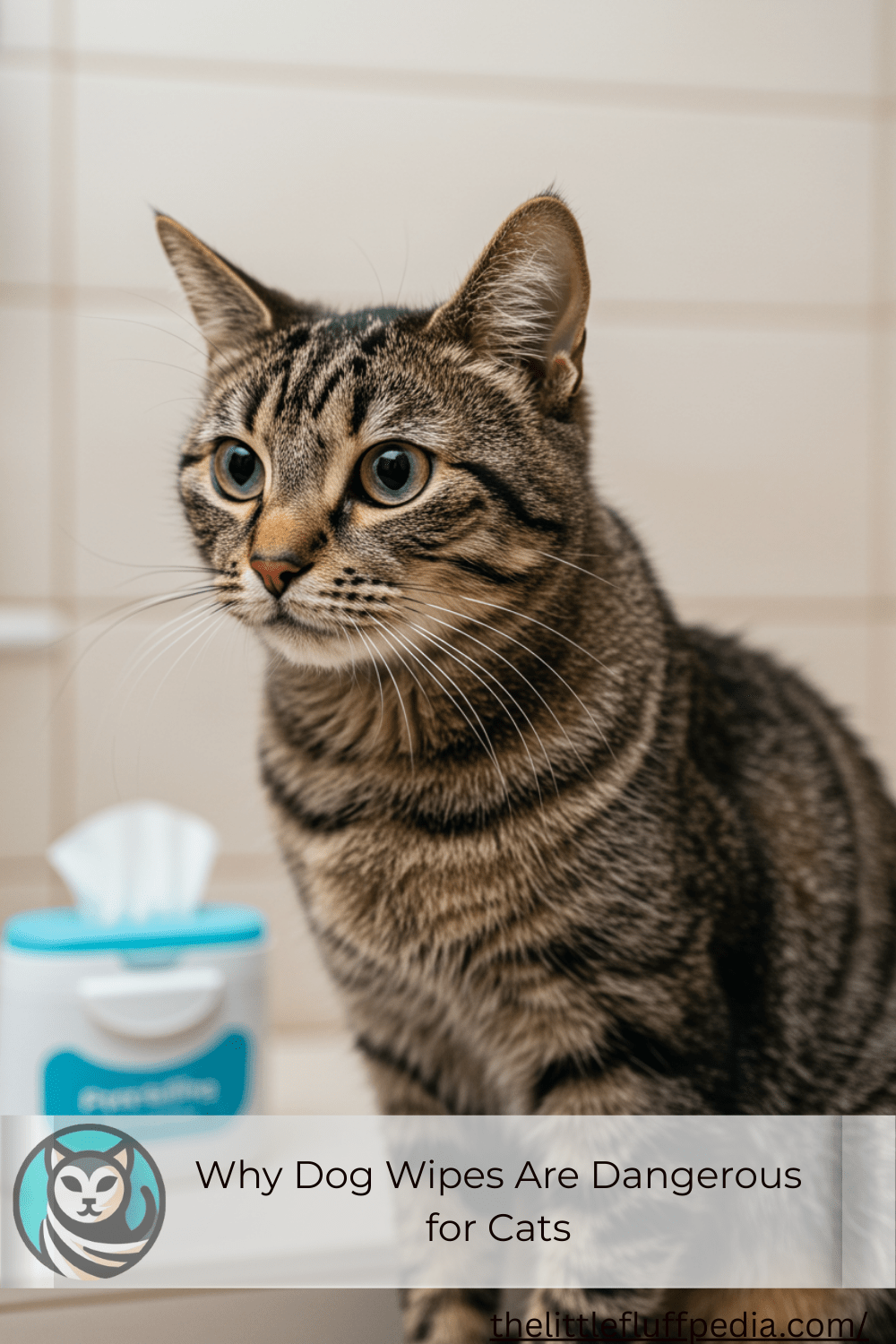
Did you know 68% of pet owners accidentally use products designed for other animals on their cats? This common mistake often stems from assumptions that all furry companions have identical needs. However, cats and dogs have distinct biological differences—including differences in skin pH —making species-specific care essential. So, before you ask, “Can I use dog wipes on my cat?” consider these essential differences.
Pet wipes are popular for quick cleanups after walks or messy playtime, but not all formulas are interchangeable. Brands like Pet Parents® create separate wipes for cats and dogs to address their unique skin sensitivities. While convenient, using the wrong type may lead to irritation or allergic reactions.
Baby wipes pose similar risks. Many contain fragrances or chemicals unsafe for pets, despite their “gentle” marketing. Quality pet wipes avoid harsh alcohols and parabens while maintaining effectiveness against dirt and odors. This balance keeps your cat comfortable during grooming sessions.
For senior pets with specific needs, proper care extends beyond cleaning. Older cats with dental issues might require specialized diets, as discussed in our guide to nutrition for aging felines. Whether you’re managing hygiene or health concerns, understanding species-specific solutions ensures your pet thrives.
Principais conclusões
- Cat and dog skin have different pH levels, so they require separate wipe formulas.
- Baby wipes often contain ingredients harmful to pets
- Quality pet wipes avoid harsh chemicals like alcohol and parabens
- Species-specific products prevent skin irritation and allergies
- Proper hygiene supports overall health in aging pets
Understanding Pet Wipes: Myths vs. Facts
Pet wipes have surged in popularity, yet confusion about their proper use remains widespread. These pre-moistened cloths serve specific purposes, such as removing dirt between baths or cleaning sensitive areas. Let’s separate fact from fiction to ensure your furry companions stay safe.
What Are Pet Wipes and Their Intended Uses?
Veterinarians define pet wipes as pH-balanced cloths formulated for animal skin. Brands like Sywipe® create options for paws, tear stains, and allergy-prone coats. Unlike household cleaners, these specialized products avoid ingredients that disrupt natural oils.
“Pet wipes must maintain skin barrier integrity, human-grade products often fail this critical test,” notes a Pet Parents® formulation specialist.
Why Baby Wipes and Human Wipes Are Not Suitable for Pets
Many assume baby wipes are gentle enough for animals. However, everyday ingredients like aloe vera extract or fragrance may cause rashes in pets. A 2023 study found that 74% of human wipes contain alcohols that dry out feline skin.
| Ingredient | Pet Wipes | Baby Wipes |
|---|---|---|
| Alcohols | Absent | Comum |
| Parabens | 0% | 15% |
| pH Level | 6.2-7.5 (pet-safe) | 5.5 (human-focused) |
For pet cleaning solutions that prioritize safety, always verify labels. Look for plant-based moisturizers and veterinary endorsements rather than relying on multi-purpose products.
Can I Use Dog Wipes on My Cat? Insights and Best Practices
Veterinarians report feline skin reactions to increase by 40% when owners use canine-specific products. This alarming trend highlights critical differences between species that demand attention. While both cats and dogs benefit from routine cleaning, their biological needs diverge significantly.
Safety Considerations for Feline Skin
Cat epidermis is 60% thinner than dog skin, making it prone to chemical absorption. Sywipe® researchers confirm feline pH levels range from 6.2-7.5 versus 7.5-8.5 in dogs. Using dog wipes disrupts this balance, potentially causing dryness or dermatitis.
“Even ‘natural’ ingredients like tea tree oil become toxic when absorbed through feline skin,” warns Dr. Emily Carter, veterinary dermatologist.
Key Ingredients to Avoid in Pet Cleaning Products
These substances frequently cause issues in cats:
- Alcohols: Evaporate natural oils, leading to cracked skin
- Parabens: Linked to hormone disruption in felines
- Sulfates: Create excessive lather that strips protective barriers
Pet Parents® formulations exclude 23 common irritants found in multi-species cleaning products. Always verify the pH of pH-balanced solutions specifically designed for cats. For sensitive areas like paws or ears, gentle patting motions prevent abrasions.
| Safe for Cats | Avoid |
|---|---|
| Aloe-free moisturizers | Fragrance additives |
| Chamomile extract | Isopropyl alcohol |
Specialized cat wipes maintain skin integrity while removing allergens. Regular use supports coat health without compromising delicate pH levels.
Effective Grooming Techniques with Pet Wipes
Mastering grooming routines requires understanding both preparation and technique. A calm approach helps pets associate cleaning with positive experiences while ensuring thorough results.
Preparing Your Pet for a Clean Wipe-Down
Begin by selecting a quiet space free from distractions. Offer treats during initial sessions to build trust. Always check wipe temperature – lukewarm cloths feel more comfortable than cold ones.
- Gather supplies: fresh wipes, rewards, and a soft towel
- Check for sensitive areas like healing scratches or rashes
- Use water-compatible formulas if mixing with bathing routines
“Rubbing ears backward during cleaning prevents debris from entering canals,” advises a Cheeky Wipes® grooming specialist.
Proper Wiping Methods for Dogs and Cats
Move wipes in the direction of fur growth to avoid tangling. Apply gentle pressure on the patas to remove mud or salt. For facial areas, fold the cloth to prevent accidental contact with the eyes.
Common mistakes include:
- Reusing dirty wipes across multiple body parts
- Skipping nail beds and between toe pads
- Rubbing instead of patting delicate skin zones
| Cães | Gatos |
|---|---|
| Post-walk paw cleaning | Gentle chin debris removal |
| Weekly coat refresh | Spot-cleaning after meals |
For optimal results, choose species-specific formulas that maintain natural oils. Always finish with a dry towel pat-down to prevent chilling.
Proper Use and Handling of Pet Wipes at Home
Proper pet wipe handling starts with understanding their impact beyond cleaning. The residue left on fur or household surfaces may irritate sensitive skin or damage furniture finishes. Follow these guidelines to maintain safety while keeping your living spaces fresh.

Tips to Avoid Irritation and Ensure Safe Use
Always seal and wipe containers tightly after use. Exposure to air dries out the clothes, reducing their cleaning power. Store packages away from heat sources; Curious Paws’ high shelves are best.
Dispose of used wipes in trash bins rather than flushing them. Many brands aren’t biodegradable and can clog pipes. For households with multiple animals, designate separate clothes for paws, faces, and sanitary areas.
| Best Practices | Risks to Avoid |
|---|---|
| Store in cool, dry locations | Leaving containers open |
| Dispose after single use | Flushing down toilets |
| Wipe in fur direction | Rubbing sensitive areas |
Introduce wiping routines gradually. Let pets sniff unopened packages first, then reward cooperation with treats. For resistant animals, try species-specific formulas during calm moments, such as post-meal relaxation.
Check labels for furniture-safe claims before cleaning pet beds or upholstery. Some solutions leave stains or attract dirt. When in doubt, test a small hidden area first.
Choosing the Right Pet Wipes and Alternatives
Selecting grooming products requires careful consideration of your pet’s unique biology and lifestyle. Quality options balance effectiveness with skin-friendly formulas, while alternatives like baths serve distinct purposes. Let’s explore how to make informed choices for your companion’s hygiene needs.
Understanding Formulations for Sensitive Pet Skin
High-quality cleaning wipes prioritize natural ingredients like oatmeal extracts and vitamin E. Avoid products containing alcohol, synthetic fragrances, or parabens, as these disrupt pet skin barriers and cause dryness. Hypoallergenic formulas work best for animals with allergies or thin coats.
Key features to seek:
- Veterinary-approved pH levels (6.2-7.5 for cats)
- Biodegradable materials for eco-conscious households
- Moisturizers like shea butter instead of chemical lubricants
| Safe Ingredients | Risk Factors |
|---|---|
| Aloe-free chamomile | Artificial dyes |
| PH-balanced water | Isopropyl alcohol |
| Colloidal oatmeal | Paraben preservatives |
For detailed comparisons of popular brands, consult this comprehensive guide to pet wipes. Always test new products on small areas of skin before full-body use.
When to Consider Regular Baths Versus Daily Wipe-Downs
Wipes safe for daily use excel at removing surface dirt without stripping natural oils. They’re ideal for:
- Paw cleaning after outdoor adventures
- Spot treatments between meals
- Senior pets who dislike water
Full baths become necessary for deep cleaning or medical conditions. Use lukewarm água and pet shampoos when dealing with:
- Heavy mud or chemical exposure
- Flea/tick treatments
- Skin infections requiring medicated washes
Owners of water-averse cats can explore stress-free bathing techniques for essential washes. Always consult your vet if skin irritation persists after using pet wipes or alternative products.
Conclusão
Proper grooming starts with recognizing that cats and dogs require distinct care strategies. Their unique skin pH levels and sensitivity to ingredients make species-specific pet wipes essential. Products designed for one animal often contain substances that irritate another – a risk easily avoided with informed choices.
Always prioritize pH-balanced formulas free from alcohol and fragrances. For cats, select wipes safe for delicate skin, while dogs benefit from stronger solutions for post-walk paw cleaning. Daily wipe-downs are effective for removing allergens and food residue, but baths remain necessary for deep cleansing.
Key takeaways include:
- Check labels for veterinary-approved ingredients
- Avoid multi-purpose products containing sulfates
- Store wipes properly to maintain moisture levels
When in doubt, consult your veterinarian about pet-safe grooming routines. Quality brands like Pet Parents® offer tailored solutions that protect skin health while keeping coats clean. What works for furniture or human skin often harms animals – choose wisely.
PERGUNTAS FREQUENTES
Are dog wipes safe for cats?
Dog wipes may contain ingredients such as fragrances or alcohol that can irritate feline skin. To avoid reactions, always choose cat-specific or vet-approved formulas.
Can baby wipes replace pet wipes?
Baby wipes often contain moisturizers or chemicals that are unsafe to lick. Use only pet-safe options to prevent digestive issues or skin irritation.
How often should I use wipes on my cat?
Limit wipe-downs to 1–2 times weekly unless addressing messes. Overuse can strip natural oils, leading to dryness or itching.
What ingredients in wipes may harm pets?
Avoid parabens, sulfates, alcohol, or artificial fragrances. These can trigger allergies, rashes, or toxicity if ingested during grooming.
Are there hypoallergenic options for sensitive skin?
Brands like Earth Rated or Burt’s Bees offer fragrance-free, plant-based wipes with soothing ingredients like aloe vera for delicate skin.
Can wipes replace baths for dogs?
Wipes work for spot-cleaning paws or fur between baths but lack the deep cleansing of shampoo. Use them as a supplement, not a full replacement.
Are pet wipes safe for cleaning furniture?
Check labels for surface compatibility. Some wipes leave residues or contain chemicals that damage fabrics. Test on small areas first.
Can pet wipes be used after outdoor walks?
Yes! Wipe paws, legs, and underbellies to remove dirt, pollen, or road salts. Avoid eyes and ears unless the product is explicitly labeled for those areas.
Do cats tolerate wipes as well as dogs?
Many cats resist wipe-downs due to texture or scent. Opt for unscented, soft wipes and reward with treats to create positive associations.