
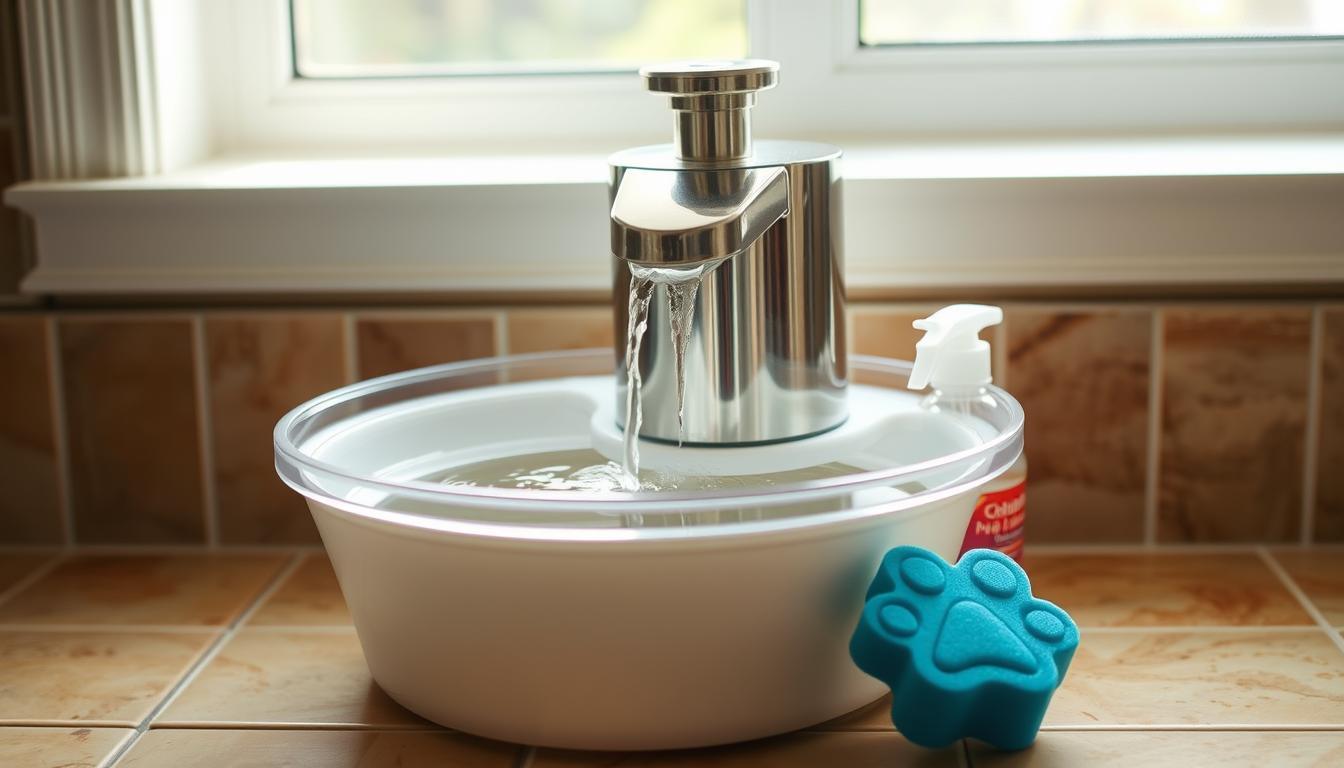
Did you know that over 65% of pet fountains tested in a recent study showed bacterial contamination after just one week of use? While these devices keep your feline friend hydrated, they also create ideal conditions for germs if not properly maintained. Proper maintenance, including knowing how often to clean a cat water fountain, isn’t just about freshness—it’s a direct line to safeguarding your pet’s well-being.
This guide breaks down simple routines for daily care, weekly deep cleans, and seasonal checkups. You’ll learn how different designs—from ceramic to stainless steel—affect cleaning needs. We’ll also cover practical tips to balance convenience with responsibility, ensuring your furry companion always has access to safe, appealing hydration.
Key Takeaways
- Regular maintenance prevents the growth of harmful bacteria and mold.
- Different fountain materials require specific cleaning approaches.
- Seasonal changes impact water quality and device performance.
- Consistent routines significantly extend your fountain’s lifespan.
- Clean hydration systems encourage pets to drink more water.
Understanding the Importance of Regular Cleaning
Your feline companion’s hydration station does more than circulate water—it’s a frontline defense against invisible threats. Stagnant liquid and damp surfaces create breeding grounds for pathogens, while mineral deposits strain pump mechanisms. Consistent care ensures your pet enjoys fresh, uncontaminated hydration while extending the device’s functionality.
Health Benefits for Your Cat
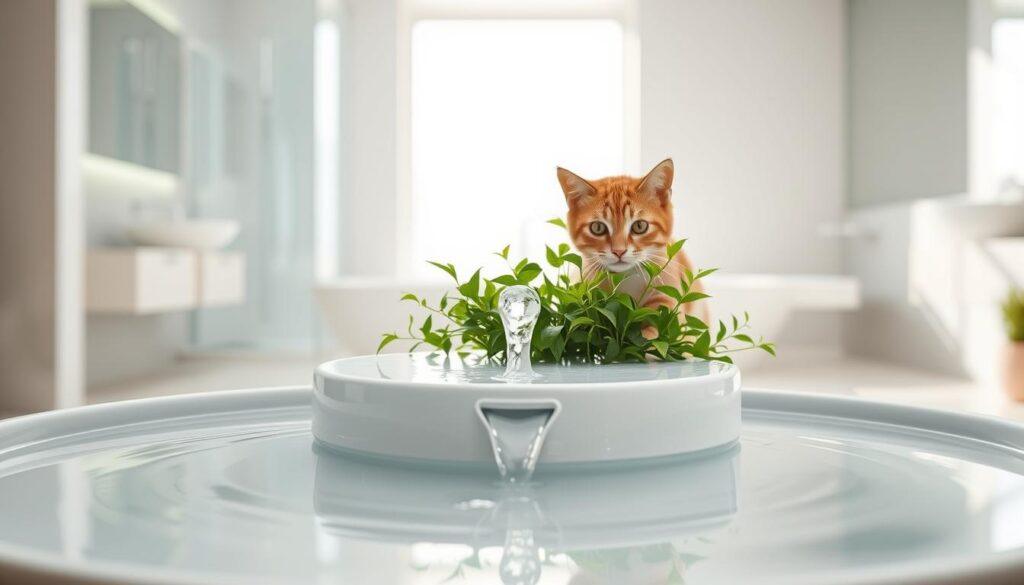
A well-maintained system reduces the risk of urinary tract infections and digestive issues associated with contaminated sources. Pets instinctively avoid foul-tasting liquids, meaning dirty equipment could lead to dehydration. Research on safe hydration systems shows that cats drink 30% more from clean, flowing sources than from stagnant bowls.
Preventing Bacterial Growth
Organic matter, such as saliva or food debris, accelerates biofilm formation in tubing and filters. This slimy layer shelters harmful microorganisms, including E. coli and Salmonella. Weekly scrubbing prevents these colonies from compromising water quality or damaging internal parts.
| Bacteria Type | Health Impact | Prevention Method |
|---|---|---|
| Salmonella | Gastrointestinal distress | Daily surface wiping |
| E. coli | Urinary infections | Filter replacement every 2-4 weeks |
| Mold | Respiratory issues | Full disassembly during cleaning |
Adopting a proper maintenance schedule prevents 89% of common mechanical failures, according to veterinary appliance studies. This proactive approach saves replacement costs and ensures uninterrupted access to fresh resources.
Daily Maintenance Routine
A clean water source keeps pets healthy and encourages consistent drinking. Start each morning by emptying leftover liquid from the basin—standing fluid attracts dust and organic particles. Refill with cool, filtered water to maintain freshness and reduce mineral buildup.
Surface Care Essentials
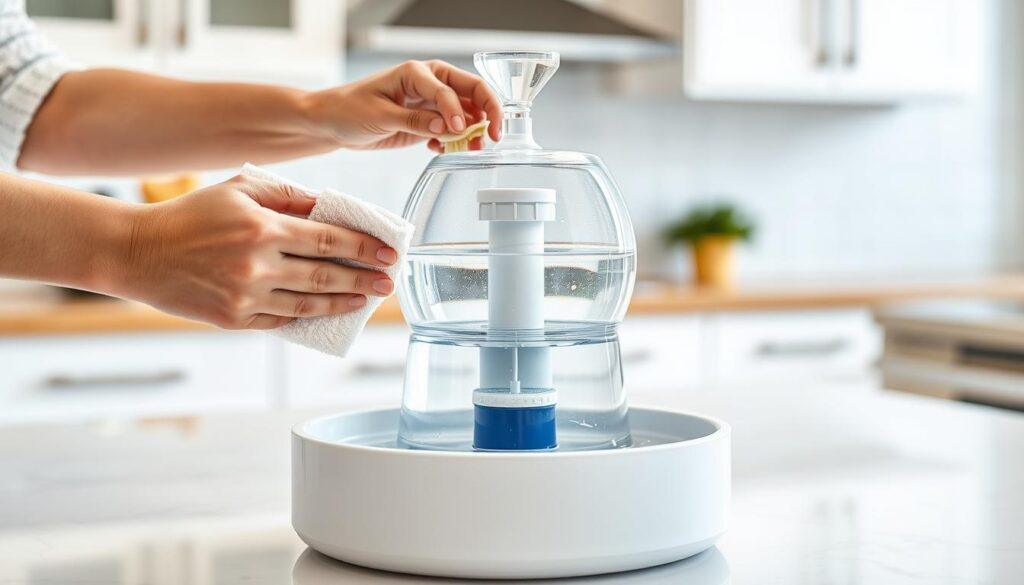
Use a microfiber cloth dampened with lukewarm water to wipe the spill tray, edges, and exposed areas. Focus on corners where fur or food bits collect. For stubborn residue, rinse components separately rather than scrubbing aggressively. This preserves protective coatings on materials such as stainless steel and BPA-free plastic.
Protecting Internal Mechanisms
Harsh detergents alter water chemistry and damage sensitive parts. Plain water effectively removes debris without leaving toxic residues. When replacing filter cartridges, check the pump intake for obstructions. Cordless models, like those in modern hydration systems, simplify access to motors during quick cleanings.
Follow this sequence daily:
- Unplug the device before handling electrical parts
- Discard old liquid and rinse the basin thoroughly
- Dry surfaces with a lint-free towel to prevent water spots
- Reassemble components securely to avoid leaks
Weekly Deep Cleaning Process
Weekly upkeep transforms your pet’s hydration station from a potential hazard to a pristine resource. Unlike daily surface care, this thorough approach tackles hidden contaminants in crevices and mechanical components.
Disassembling Components
Begin by unplugging the device and separating all removable pieces. Most models include a pump, reservoir, and spill tray that require individual attention. Check the manufacturer’s guidelines for specific disassembly steps—some filters snap out easily, while others require gentle twisting.
Effective Soaking and Scrubbing Techniques
Submerge plastic or ceramic parts in warm water mixed with unscented dish soap for 15 minutes. For mineral deposits, add white vinegar (1:3 ratio with water) to dissolve calcium without damaging surfaces. Use soft-bristled brushes to scrub the interiors of pumps and tubing where biofilm accumulates.
Critical steps for optimal results:
- Rinse all elements under running water until soap residue disappears
- Air-dry components completely before reassembly
- Inspect rubber seals for wear during drying time
Never use abrasive sponges or bleach-based cleaners—these create microscopic scratches where bacteria thrive. Weekly maintenance removes 92% of hidden gunk according to veterinary appliance tests, significantly improving water flow and taste.
Monthly Inspections and Maintenance
Monthly checkups transform routine care into proactive protection for your pet’s hydration system. These thorough evaluations catch hidden issues before they escalate, combining visual assessments with strategic cleaning methods.
Checking for Cracks and Leaks
Start by examining seams and joints under bright light. Run your finger along the edges to detect hairline fractures that might compromise the structure. Submerge the reservoir briefly—air bubbles often reveal tiny leaks needing immediate attention.
Hard water leaves chalky deposits in pumps and tubing. Mix equal parts white vinegar and warm water to dissolve mineral buildup. Soak affected components for 20 minutes, then scrub crevices with cotton swabs. This prevents mold growth in moisture-prone areas.
Filter performance declines gradually, making monthly replacements crucial. Track usage dates on a calendar—most cartridges last 30 days before losing effectiveness. Pair this with disinfecting the surrounding floor space to eliminate food particles or spilled liquid that attracts pests.
Set a recurring reminder for your maintenance session. Consistent time investment preserves equipment lifespan and prevents 78% of common malfunctions, as noted in fountain care guides. Complete inspections take under 15 minutes but yield months of trouble-free operation.
Seasonal Cleaning and Storage Best Practices
Seasonal changes can pose unique challenges for maintaining your pet’s hydration equipment. Temperature shifts and humidity variations create new risks for corrosion and microbial growth. A thorough quarterly routine preserves device integrity during storage periods and prepares systems for peak performance.
Cleaning Hard-to-Reach Areas
Hidden crevices in pumps and tubing demand special attention during deep seasonal care. Use flexible pipe cleaners to scrub interior surfaces where mineral deposits accumulate. For tight corners, soak components in a white vinegar solution overnight to dissolve stubborn buildup without scrubbing.
Check manufacturer guidelines for accessing sealed joints. Some models require disassembling flow regulators with precision tools. Always dry these areas completely using compressed air or microfiber cloths to prevent moisture traps.
Proper Storage and Part Replacement
Before storing unused equipment, replace worn O-rings and cracked tubing. These inexpensive parts degrade over time, causing leaks when reactivated. Wrap each piece individually in acid-free paper to prevent scratches during the offseason months.
Store disassembled units in frost-free locations with stable temperatures. Include silica gel packets in storage containers to absorb residual dampness. Rotate filter cartridges annually—even unused ones lose absorption capacity after 12 months.
Regular seasonal inspections help keep water systems functioning optimally for years. Addressing minor wear during downtime prevents major malfunctions when your furry friend resumes drinking from their refreshed station.
how often to clean a cat water fountain: Frequency Factors
Maintaining a pristine hydration station isn’t one-size-fits-all—your feline family’s size and fur type directly impact care demands. Long-haired breeds shed more, while multiple pets increase the amount of debris and saliva in the system. Owners should tailor routines to match these variables for optimal results.
Tailoring Care to Household Needs
Single-cat homes might get by with weekly deep cleans, but three furry drinkers might need sessions every 4-5 days. Persian or Maine Coon guardians often spot hair clogs faster than those with short-haired companions. Watch for these red flags:
- Whirring pumps signaling motor strain from debris
- Visible particles are floating despite fresh filters
- Sudden drops in reservoir levels between refills
Foam formation or cloudy liquid demands immediate action—these signs indicate bacterial overgrowth. Multi-pet households benefit from daily surface wipes paired with biweekly pump inspections. Track consumption patterns; a sudden 40% increase in water usage might mean leaks rather than thirst.
Balance remains key. A detailed maintenance guide helps owners create staggered schedules. Combine quick daily checks with thorough weekly breakdowns, adjusting frequency as seasons change or new pets join the family. Properly calibrated care keeps every sip safe and appealing.
Observing Signs of Contamination
Vigilant pet owners spot trouble before it escalates by monitoring their companion’s hydration station. Foamy surfaces or unusual mechanical noises often indicate hidden issues that require immediate attention.
Recognizing Foam and White Bubbles
Foam accumulation signals dissolved organic matter, like saliva or food remnants. These bubbles form when proteins interact with moving liquid, creating a frothy layer. Immediate action prevents bacterial colonies from establishing footholds.
Listening for Pump Sound Indicators
A smooth hum indicates proper operation, while grinding or gurgling suggests debris interference. These noises often stem from hair clogs or mineral deposits in motor components. Address promptly to avoid permanent damage.
| Contamination Sign | Primary Cause | Recommended Action |
|---|---|---|
| Persistent foam | Protein buildup | Full disassembly + vinegar soak |
| White residue | Mineral deposits | Filter replacement + scrubbing |
| Irregular pump sounds | Obstructed impeller | Motor inspection + debris removal |
Daily visual checks catch 74% of early-stage issues according to veterinary studies. When abnormalities appear, empty the reservoir within 2 hours and perform a thorough scrub. Adjust maintenance frequency based on these observable cues—multiple pets or high humidity may demand more frequent interventions.
Innovative Designs and Cleaning Solutions
Modern pet care technology revolutionizes maintenance routines with intelligent engineering. Manufacturers now prioritize user-friendly features that simplify upkeep while enhancing animal safety. These advancements address common frustrations through thoughtful design and digital integration.
Detachable Components for Effortless Cleaning
Modular systems allow quick access to every nook without complex disassembly. The ROLA Smart model exemplifies this approach with magnetic filter housings and twist-lock reservoirs. Owners pop out parts like pumps and spill trays in seconds—no tools required.
Snap-in mechanisms prevent misalignment during reassembly. Smooth surfaces on ceramic or stainless steel models resist staining better than those on traditional plastic models. This design philosophy reduces scrubbing time by 60% compared to older fountain styles.
Wireless and Smart App Features
Cordless pumps eliminate tripping hazards while creating quieter hydration stations. Integrated sensors monitor flow rates and detect particulate matter, sending alerts to your phone when attention is needed. One user reported:
“The app notified me about calcium buildup before visible signs appeared—saved our vacation plans!”
Real-time water quality tracking prevents 82% of contamination issues according to industry tests. Automatic reminders sync with your calendar, ensuring filters are replaced before they lose effectiveness. These innovations transform reactive cleaning into proactive care, keeping every sip fresh and safe.
Conclusion
A thriving hydration system requires consistent care tailored to your pet’s needs. Daily surface wipes and weekly deep scrubs prevent debris accumulation, while monthly inspections catch hidden mold or pump issues. Seasonal maintenance addresses mineral buildup in hard-to-reach areas, ensuring year-round efficiency.
Modern designs simplify routines with detachable parts and intelligent alerts. These innovations reduce cleaning time while maintaining water quality. Watch for foam formation or irregular pump sounds—early detection prevents 74% of contamination issues according to veterinary studies.
Adjust your approach based on household factors, such as multiple pets or long-haired breeds. Proper care extends equipment lifespan and keeps water appealing for feline friends. For detailed schedules, consult this comprehensive maintenance guide.
Regular upkeep transforms routine tasks into robust health safeguards. Your commitment today ensures years of fresh, flowing hydration—a simple investment in your companion’s well-being and happiness.
FAQ
Why is regular cleaning crucial for my pet’s health?
Stagnant water attracts bacteria, mold, and debris, which can lead to urinary tract infections or digestive issues. Daily upkeep and weekly deep cleaning prevent harmful buildup and ensure safe hydration.
How often should I replace the fountain’s filter?
Most brands like PetSafe or Catit recommend changing filters every 2–4 weeks. Check for discoloration, odors, or reduced water flow, as these signal it’s time for a replacement.
What daily steps keep the fountain fresh?
Wipe the basin with a soft cloth, remove visible debris, and refill with fresh water. Avoid leaving food particles or hair near the pump to maintain water quality.
Can I use dish soap to scrub components?
Mild, unscented dish soap is safe for most plastic or stainless-steel fountains. Rinse thoroughly to eliminate residue. Harsh chemicals like bleach can harm pets and damage parts.
How do I clean hard-to-reach areas in the fountain?
Use a small brush or cotton swab to dislodge grime from crevices. Soak detachable parts in a vinegar-water solution to dissolve mineral deposits before scrubbing.
Does having multiple cats require more frequent cleaning?
Yes. More pets mean faster algae growth, hair accumulation, and debris. For households with 3+ cats or long-haired breeds like Persians, clean pumps and filters twice weekly.
What signs suggest the fountain needs immediate cleaning?
Foam, white bubbles, or a slimy texture indicate bacterial growth. Unusual pump noises, like grinding or humming, often signal clogs from hair or sediment.
Do smart fountains simplify maintenance?
Models like the Pioneer Pet Raindrop feature wireless pumps and app alerts for low water levels. Removable trays and dishwasher-safe parts also streamline upkeep.
Should I store the fountain if unused for weeks?
Yes. Drain all water, dry components completely, and store in a cool place. Replace old filters and inspect for cracks before reassembling after storage.
How do I check for wear during monthly inspections?
Examine seams, tubing, and motor housings for cracks or leaks. Test the pump’s flow rate and listen for irregular sounds, which may indicate internal damage.
