
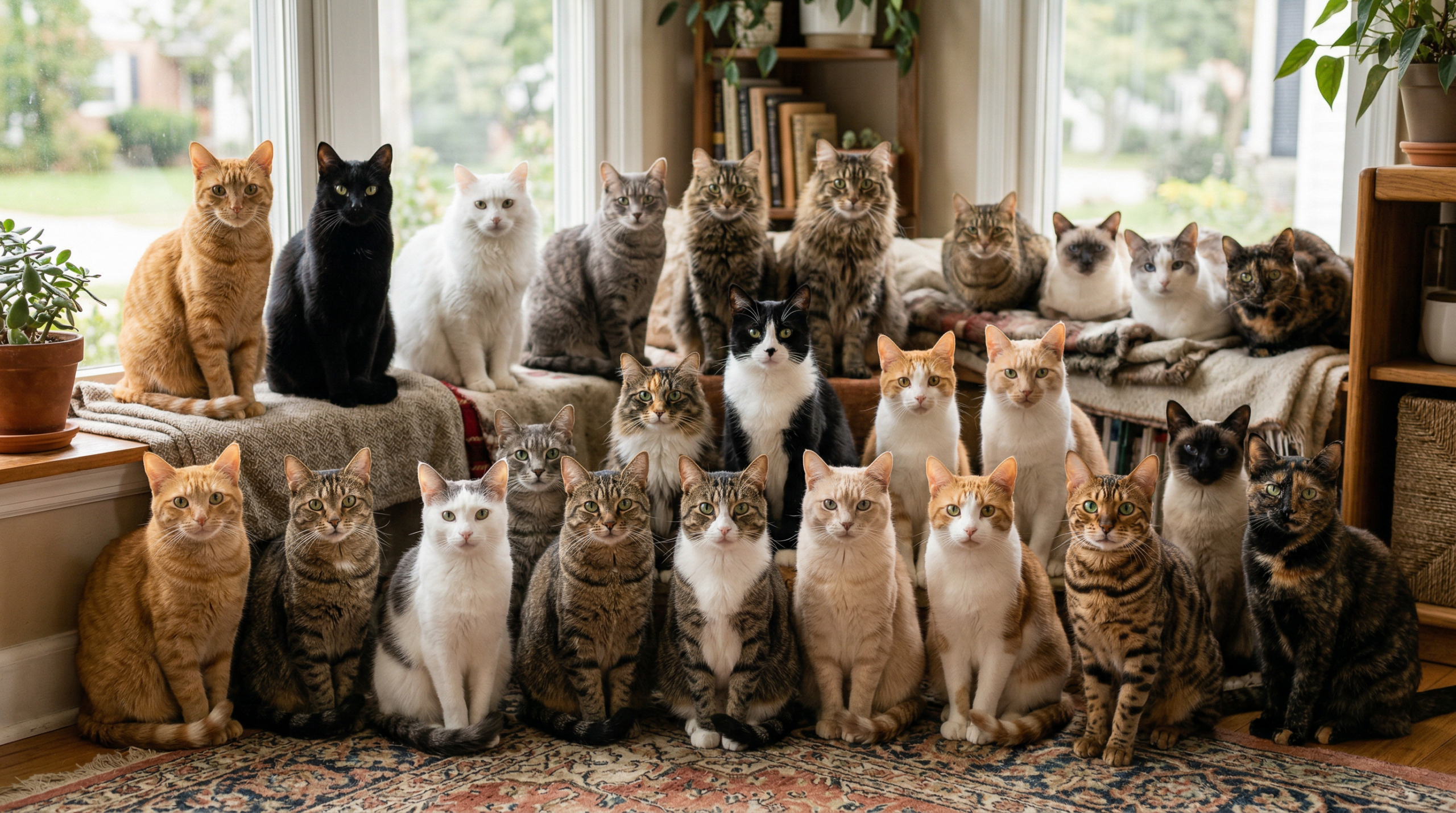
Did you know felines display over 60 genetically distinct color and pattern combinations? From sleek black panther-like coats to striped tabbies that resemble miniature tigers, these variations aren’t just random; they’re rooted in biology. This guide dives into the fascinating world of the Most Common Cat Colors and feline hues, exploring how genetics and evolution shape their appearances.
While diversity seems endless, a few dominant shades and markings stand out. Research shows that specific genes control everything from solid tones to intricate swirls. These traits aren’t just about looks; they often link to breed histories and even personality stereotypes in pop culture.
You’ll learn how science explains why certain combinations prevail and what makes each unique. Whether you’re curious about classic orange tabbies or rare silver-smoked coats, we’ll break down the details with insights from veterinary studies and feline genetics experts.
Key Takeaways
- Genetics plays a major role in determining coat variations.
- Tabby and solid patterns are among the most frequently seen.
- Certain hues correlate with specific breed characteristics.
- Cultural perceptions often influence color popularity.
- Understanding these traits enhances appreciation for feline diversity.
Introduction & Overview
Why do coat variations captivate pet lovers? Beyond aesthetics, these traits reveal biological stories written in DNA. Understanding terms like tabby (striped or swirled pattern) and cinnamon (a warm reddish-brown hue) helps decode nature’s artistry.
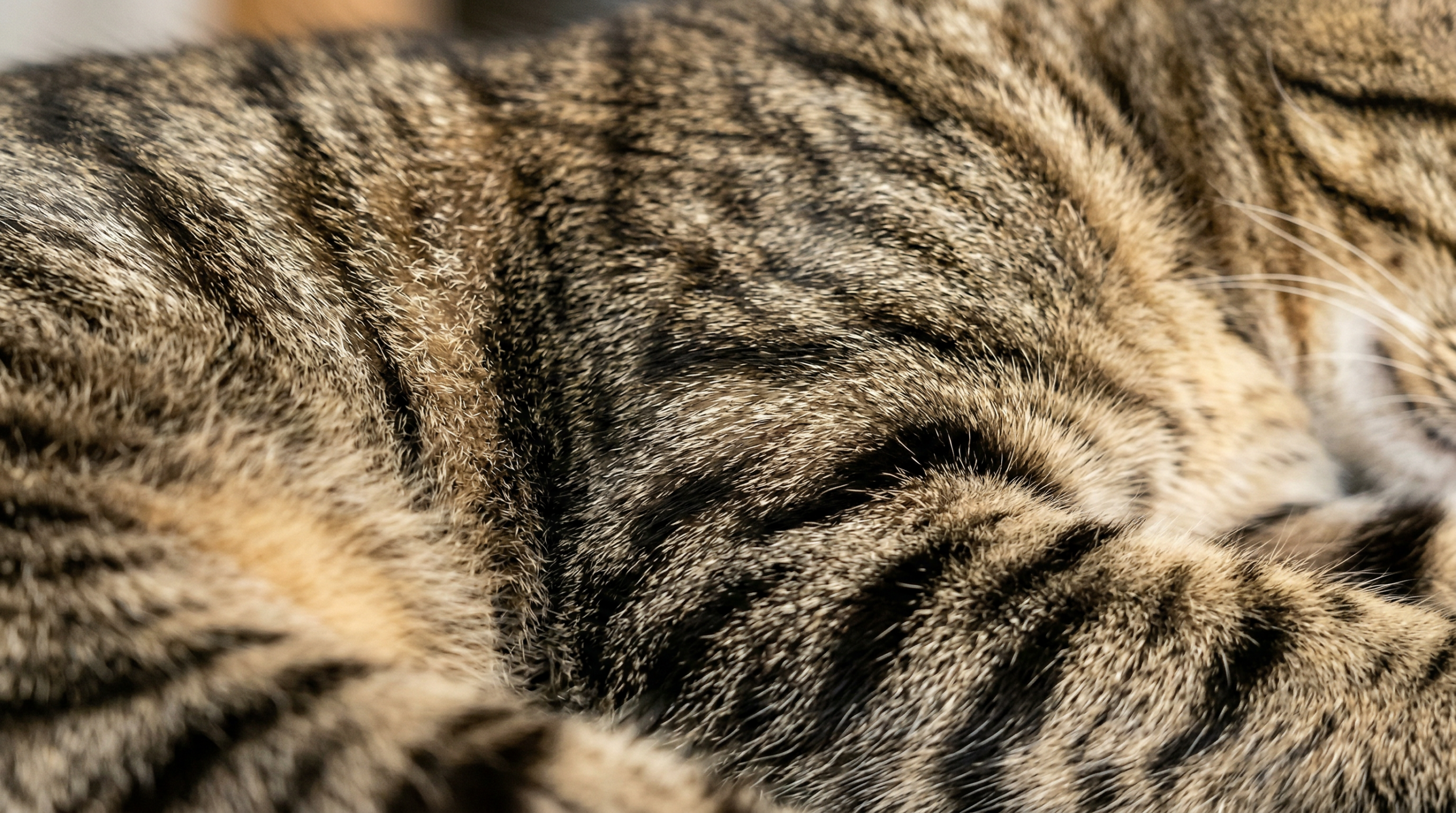
Genes like KIT dictate pigment distribution, creating everything from solid coats to intricate markings. While tabbies dominate shelters worldwide, rarer shades like cinnamon emerge through recessive gene combinations. These variations aren’t random; they’re blueprints shaped by evolution.
This guide starts with foundational concepts before exploring advanced topics, such as how physical traits intersect with genetics. Trusted studies confirm that coat features often correlate with breed histories, debunking myths about color-linked personalities.
You’ll discover:
- How specific genes influence fur appearance
- Why tabby designs persist across generations
- The science behind unusual shades like smoke or fawn
Ready to explore nature’s feline palette? Let’s begin with the basics.
Understanding the Most Common Cat Colors
Feline coat variations aren’t random; they’re genetic blueprints shaped by breed histories and biological processes. While patterns like tabby stripes appear in many lineages, specific breeds often showcase distinct hues such as lilac or cream. For example, the British Shorthair’s smoky-gray coat contrasts sharply with the Siamese’s temperature-sensitive pointed markings.
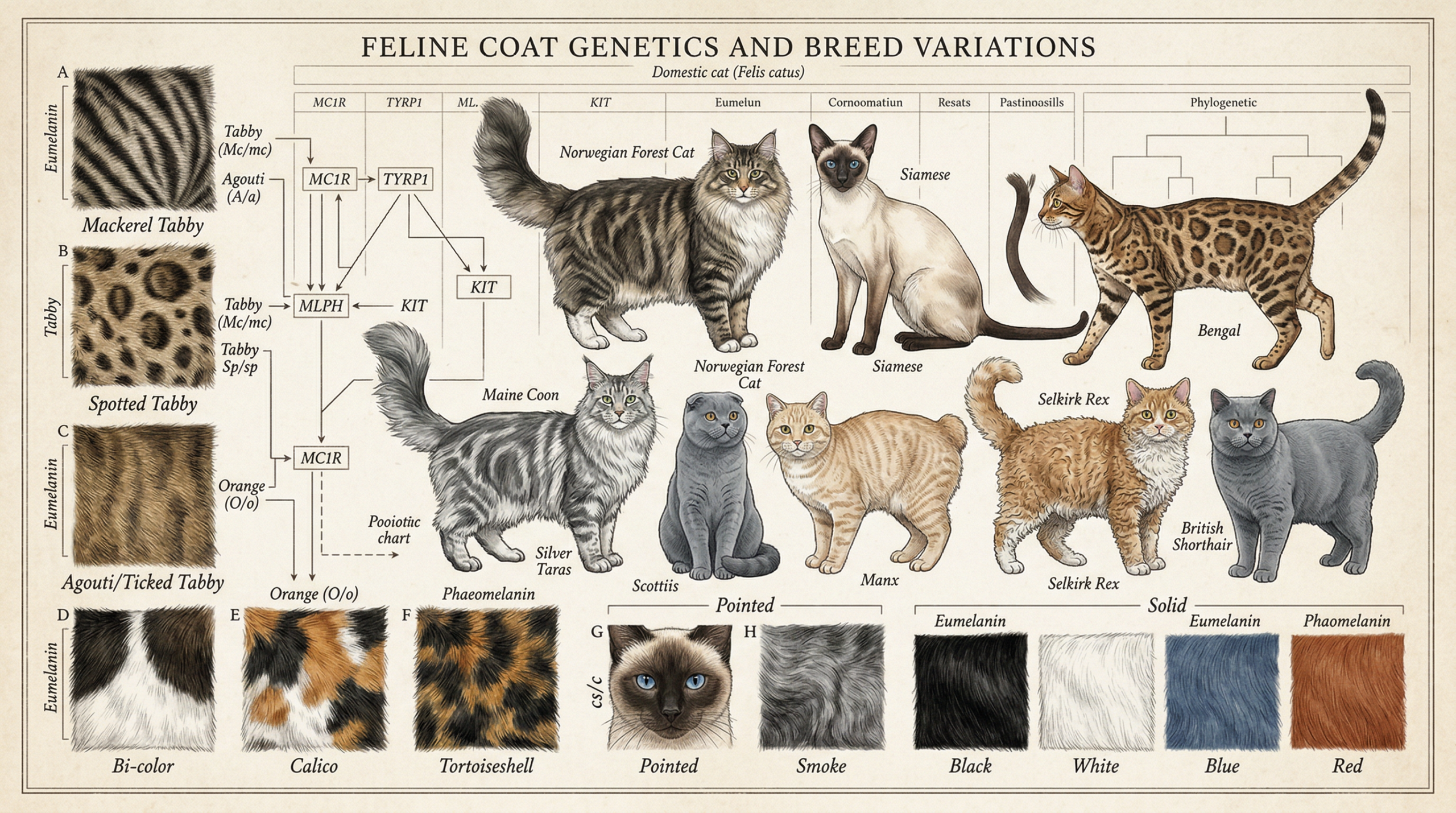
Dominant and recessive genes dictate these differences. Lilac shades emerge when two copies of a recessive dilution gene combine, while cream tones result from polygenic interactions affecting red pigment intensity. This explains why some hues appear only in particular pedigrees.
| Breed | Signature Color/Pattern | Genetic Factors |
|---|---|---|
| Siamese | Pointed | Temperature-sensitive albinism gene |
| British Shorthair | Lilac | Recessive chocolate dilution |
| Persian | Cream | Polygenic red pigment modifiers |
While many associate certain different feline hues with purebreds, mixed-breed felines can display similar traits through ancestral gene combinations. Ragdolls and Maine Coons demonstrate how selective breeding amplifies specific characteristics, creating recognizable breed-color associations.
These genetic principles lay the groundwork for understanding more complex topics, such as inheritance in crossbreeding. Upcoming sections will explore how multiple DNA sequences interact to produce rare or unexpected results in offspring.
The Science and Genetics Behind Cat Coat Colors
DNA holds the blueprint for every stripe, spot, and shade in feline coats. Two pigments, eumelanin (black/brown) and pheomelanin (red/yellow), combine with genetic instructions to create endless variations. Chromosomes carry these genes, dictating how pigments are distributed, diluted, or clustered in fur strands.
Key Genes and Pigments Explained
The KIT gene regulates pigment distribution, resulting in solid coats or white patches. Orange hues arise from pheomelanin dominance, linked to the X chromosome. Males often display full orange coats, while females may show blended patterns due to having two X chromosomes.
Genetic Inheritance and What It Means for Your Cat
Base colors like black or red are modified by dilution genes. For example, a recessive chromosome pairing can turn black into gray or chocolate. Dominant genes typically override recessive ones, but exceptions occur when multiple modifiers interact.
According to recent studies, understanding these principles helps predict traits in mixed-breed litters. A kitten’s genetics might reveal hidden color potentials inherited from ancestors, proving biology’s role in their unique appearance.
Exploring Different Cat Coat Patterns and Variations
Feline fur designs act like biological fingerprints, revealing genetic stories through swirls and contrasts. These visual signatures range from symmetrical face stripes to mottled patches that defy repetition.
Tabby, Pointed, Tortoiseshell, and Calico Patterns
Tabby patterns dominate with four subtypes: classic swirls, mackerel stripes, spotted, and ticked. Pointed designs, such as those in Siamese breeds, feature darker extremities due to temperature-sensitive activation of pigment.
Tortoiseshell and calico coat color combinations result from X-chromosome inactivation in females. This process creates the iconic black-orange mosaic seen in 99% of female black cats with two X chromosomes.
| Pattern | Key Feature | Genetic Cause |
|---|---|---|
| Calico | Tri-color patches | X-chromosome interaction |
| Pointed | Dark face/limbs | Temperature-sensitive enzyme |
| Tortoiseshell | Black-orange blend | X-inactivation mosaicism |
Impact of Dilution and White Markings
Dilution genes soften base pigments, black becomes gray, and orange turns cream. A white cat often carries the dominant white gene (W), which completely masks other colors.
Piebald spotting results from partial white markings on two chromosomes carrying the S gene. This explains why some felines have “socks” or chest blazes while others remain fully pigmented.
For deeper insights into these variations, explore our comprehensive guide to feline coat genetics. Understanding these principles helps decode why certain patterns recur across generations while others remain rare.
Cat Breed Specifics and Popular Color Examples
From formal tuxedo markings to mystical black fur, specific breeds showcase nature’s most striking palettes. These coat colors and color patterns emerge through precise genetic combinations, often tied to breed standards. Let’s explore how DNA shapes iconic looks across pedigrees.
Tuxedo, Black, and Calico Breeds
The American Shorthair frequently sports tuxedo patterns, with black-and-white contrasts that resemble formalwear. This design stems from piebald genes interrupting pigment distribution. Bombay felines, bred for panther-like allure, display jet-black base colors without tabby markings.
Calico color patterns appear predominantly in females due to X-linked inheritance. Cornish Rex breeds exemplify this tri-color mosaic, blending orange, black, and white patches. The orange gene on the X chromosome determines whether red hues appear in these striking combinations.
Unique Examples from Different Cat Breeds
Norwegian Forest Cats often carry amber coat colors, a rare shade linked to polygenes modifying eumelanin. Turkish Angoras, known for snow-like white cat fur, owe their look to the dominant W gene, suppressing other pigments.
| Breed | Distinct Trait | Genetic Origin |
|---|---|---|
| Maine Coon | Smoke variations | Inhibitor gene |
| Abyssinian | Ticked pattern | Agouti gene dominance |
| Russian Blue | Steel-gray | Double dilution gene |
These different colors prove how selective breeding amplifies genetic potential. Whether through recessive traits or chromosomal interactions, each breed’s signature look tells a story written in DNA.
Debunking Myths and Stereotypes About Cat Colors
Myths about feline appearances persist despite scientific advances. Let’s separate folklore from genetic reality by examining widespread misconceptions.
Legends Versus Laboratory Findings
Black cats often face unfair superstitions, but their black color simply comes from dominant eumelanin genes. Similarly, “colors patterns” like calico mosaics aren’t magical; they’re X-chromosome mechanics in action.
| Myth | Fact | Genetic Explanation |
|---|---|---|
| All tortoiseshell felines are female | 99% are female; rare males have XXY chromosomes | Two X chromosomes are required for tri-color expression |
| The orange gene only affects males | Females display orange if both X chromosomes carry the gene | X-linked inheritance pattern |
| White paws indicate a docile temperament | Piebald genes control markings, not behavior | S gene interrupts pigment spread |
Chromosomes and Parental Influence
Parents pass coat traits through DNA, not luck or destiny. A male kitten inherits his orange gene solely from his mother’s X chromosome. Females inherit one X chromosome from each parent, allowing for blended color patterns.
Tortoiseshell males exist but are sterile due to chromosomal abnormalities. This disproves the myth that tricolored felines must be female. Science confirms coat variations stem from measurable interactions between chromosomes, not folklore or coincidence.
Conclusion
The tapestry of feline fur is woven with biological precision, blending genetics and artistry. From smoky grays to fiery oranges, base colors act as foundations for intricate designs. Each swirl, stripe, or patch reflects interactions between pigments like eumelanin and modifier genes that sculpt a cat’s unique biological signature.
Spots and body markings aren’t random; they’re coded in DNA through mechanisms like X-inactivation or piebald patterning. These variations serve as living examples of nature’s complexity, in which even subtle shifts in gene expression can create striking differences. Studies of common feline hues reveal how ancestral traits persist across generations.
Understanding these principles transforms how we view feline diversity. Whether admiring a tuxedo’s crisp contrasts or a calico’s mosaic, recognizing the science behind cat coat traits deepens appreciation. It also dispels myths, proving that fur patterns don’t predict behavior or luck.
Every feline’s appearance tells a story written in genetic code. While others might focus on stereotypes, science invites us to celebrate the details from delicate ear tufts to bold tail rings that make each companion one-of-a-kind.
FAQ
How do genetics influence coat variations in felines?
Genes like the orange (O) gene and melanin distribution determine pigment production. For example, the X chromosome carries the orange gene, leading to calico or tortoiseshell patterns in females. Other genes, such as dilution genes, lighten base shades like black to gray or cinnamon to fawn.
Why are tabby markings so widespread across breeds?
The agouti gene activates banded hair shafts, creating stripes, swirls, or spots. Classic tabby patterns appear in breeds like Maine Coons and Bengals. Even solid-colored cats may show faint “ghost” tabby stripes due to underlying genetic traits.
What distinguishes tortoiseshells from calico coats?
Tortoiseshells feature black-and-orange patches without white, while calicos add significant white areas. Both patterns rely on X-linked genes, making them almost exclusively female. Male calicos are rare and typically have an extra chromosome (XXY).
Can two black-coated parents produce kittens of other shades?
Yes, if both carry recessive genes like chocolate or cinnamon. For example, British Shorthairs with hidden dilute genes might have a lilac or cream offspring. Genetic testing can reveal hidden traits in breeding pairs.
Do pointed patterns only appear in Siamese cats?
No. While Siamese and Himalayan breeds are famous for their color points, the temperature-sensitive albinism gene can occur in other breeds. Ragdolls, Balinese, and even mixed-breed cats may display darker faces, ears, and tails.
Are white-coated felines more prone to health issues?
Some all-white cats with blue eyes carry the piebald or dominant white gene, which may be linked to congenital deafness. However, not all white cats are affected; those with green or gold eyes often have normal hearing.
How do dilution genes alter base pigments?
The melanophilin (MLPH) gene lightens dense hues. Black becomes gray (“blue”), cinnamon turns to fawn, and chocolate shifts to lilac. Dilute tortoiseshells, called “diluticos,” feature soft pastel patches rather than bold contrasts.
Why do some breeds have unique variations, like ticked tabbies?
Specific genes override typical markings. Abyssinians, for instance, have a ticked pattern where each hair shaft shows alternating bands. This results in a speckled appearance without visible stripes or spots.
Are black cats truly less likely to be adopted?
Studies suggest outdated superstitions sometimes affect adoption rates. However, shelters like ASPCA report growing appreciation for black-coated breeds like Bombay, which are celebrated for their glossy fur and affectionate personalities.
Can a cat’s coat change color over time?
Sun exposure, aging, or dietary changes may slightly alter hue. For example, red or cream coats might fade, while some kittens develop darker points as adults. However, drastic shifts often indicate health issues needing veterinary attention.
