

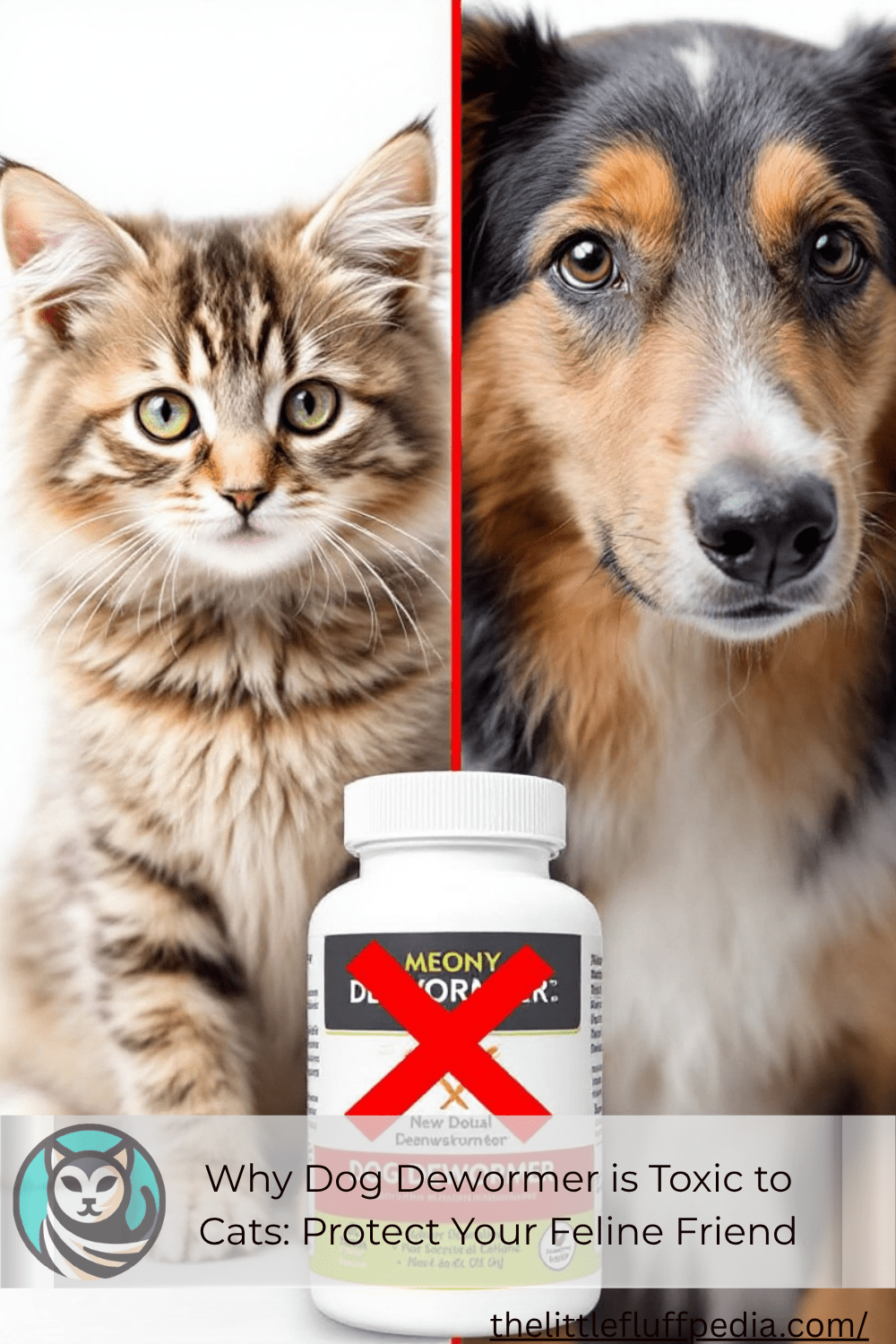
Did you know 34% of pet owners have accidentally used medication intended for another species? While dogs and cats share some health needs, their biological differences make cross-species treatments risky. This raises a critical question: can you give a cat dog dewormer, and is sharing dewormers between pets ever safe?
Dewormers designed for canines often contain ingredients that may harm felines if dosed incorrectly. Even products labeled for “both species” require precise weight-based calculations. A veterinary guidance article confirms that improper use can lead to vomiting, diarrhea, or severe neurological reactions in cats.
Three key factors determine safety:
- Active ingredient concentrations
- Species-specific metabolic rates
- Formulation additives
Veterinarians strongly advise against guessing dosages. What works for a 60-pound dog could overwhelm a 9-pound cat. Specialists instead recommend species-specific treatments paired with nutritional support during recovery.
Key Takeaways
- Never assume dewormers are interchangeable between species
- Dosage errors pose serious health risks to cats
- Consult a veterinarian before administering any medication
- Watch for symptoms like vomiting or lethargy after treatment
- Proper identification of worm type guides effective treatment
Introduction to Cat and Dog Dewormers
Parasitic worms affect nearly 1 in 3 household pets annually, making regular treatment essential. Deworming removes these intestinal invaders through medications tailored to specific species and infestation types. While both cats and dogs require protection, their biological differences demand distinct approaches.
Overview of Deworming in Pets
Common deworming methods include oral medications, topical treatments, and injectables. Products vary by targeted parasites like roundworms, tapeworms, or hookworms. Veterinarians often recommend these schedules:
| Method | Application | Frequency | Effectiveness |
|---|---|---|---|
| Oral Tablets | Direct consumption | Every 3 months | 85-95% |
| Topical Solutions | Applied to the skin | Monthly | 70-80% |
| Injections | Administered by a vet | As needed | 90-98% |
Why Proper Deworming Matters
Incorrect treatments can worsen infestations or cause toxicity. Three factors determine success:
- Weight-based dosing for safety
- Accurate parasite identification
- Species-specific metabolic rates
“A 10-pound feline requires 1/6 the dosage of a 60-pound canine for the same active ingredient,”
Notes Dr. Emily Carter, a veterinary pharmacologist. Always consult professionals before administering medications, as over-the-counter products may lack precision for individual needs.
Understanding Worm Infestations in Cats
Feline worm infestations often begin in places pets least expect, such as backyards, litter boxes, or even during grooming. Over 25% of domestic felines encounter parasites annually, according to Cornell Feline Health Center research. These stealthy invaders enter through multiple pathways, making prevention challenging yet crucial.
Transmission Pathways Explained
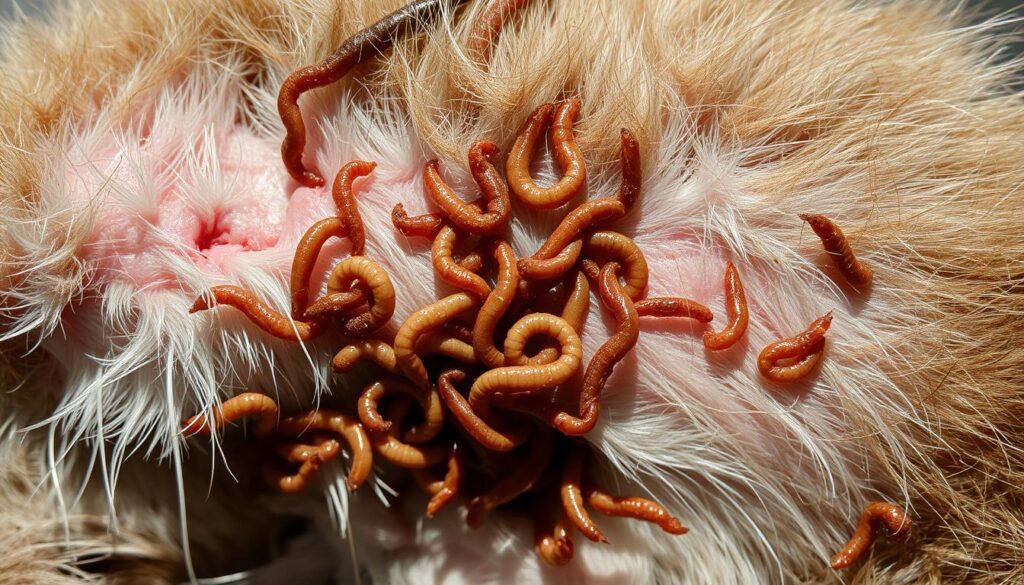
Contaminated soil harboring parasite eggs poses a primary risk, especially in shared outdoor spaces. Indoor pets aren’t immune; roundworms can hitchhike on shoes or paws. Hunting rodents or insects can introduce tapeworms, while hookworms can penetrate the skin during contact with infected stool.
Dangers of Untreated Infestations
Roundworms compete for nutrients, leading to malnutrition and a potbellied appearance. Tapeworms trigger weight loss despite normal appetites. Hookworms feed on blood, leading to anemia in severe cases. A 2022 study in the Journal of Feline Medicine found that untreated infestations can reduce immune function by up to 40%.
“Each parasite requires targeted active ingredients praziquantel for tapeworms, pyrantel for roundworms. Guessing treatments risks incomplete eradication.”
Preventive protocols break the worm lifecycle. Annual fecal exams detect eggs before symptoms emerge. Prescription formulas calibrated to weight and species ensure safe, effective elimination.
Why Dog Dewormer is Not Safe for Cats
Medications designed for canines frequently pose hidden dangers to felines due to biological differences. While some pet owners assume dewormers work similarly across species, formulations vary dramatically in potency and composition. Even small miscalculations can trigger life-threatening reactions.
Differences in Dosage and Active Ingredients
Canine formulas often contain double the concentration of key ingredients compared to feline versions. For example, pyrantel pamoate, a standard dewormer, is typically dosed at 5 mg per pound for dogs but only 2.5 mg per pound for cats. Other components, such as ivermectin, appear harmless to dogs but can severely damage feline nervous systems.
| Species | Pyrantel Dose | Ivermectin Tolerance |
|---|---|---|
| Dogs | 5 mg/lb | Safe |
| Cats | 2.5 mg/lb | Toxic |
Potential Toxicity and Health Risks
Accidental exposure to dog-specific formulas can cause:
- Uncontrollable tremors
- Respiratory distress
- Liver inflammation
“A single dose meant for a 20-pound dog could hospitalize a 10-pound cat. Their bodies lack enzymes to process certain compounds safely.”
Always consult a veterinarian immediately if exposure occurs. For detailed safety protocols, review species-specific deworming guidelines before administering treatments. Proper identification of intestinal worms ensures targeted therapy without risking overdose from inappropriate medications.
Can you give a cat dog dewormer? Expert Insights
Over 200 feline toxicity cases annually trace back to incorrect dewormer use, according to ASPCA data. Veterinary professionals emphasize that biological differences between species demand precision in parasite treatments. Cross-species medication attempts often lead to emergency visits, with 78% of these incidents involving well-meaning owners using canine formulas.
Veterinarian Recommendations
Animal health experts universally advise against sharing dewormers. “Even identical active ingredients have different concentration thresholds,” explains Dr. Karen Becker, a proactive care veterinarian. Key professional guidelines include:
- Always use species-labeled medications
- Verify parasite type through fecal testing
- Schedule follow-up exams post-treatment
Prescription protocols often combine dewormers with probiotics to protect digestive health during parasite elimination.
Medication Design Differences
Canine and feline formulas differ in three critical ways:
| Component | Dog Dewormer | Cat Dewormer |
|---|---|---|
| Pyrantel Base | 10-15 mg/kg | 5-7.5 mg/kg |
| Ivermectin | Common | Rarely Used |
| Praziquantel | Single-dose | Multi-dose |
“Cats process medications through glucuronidation pathways dogs don’t rely on. This makes many canine-safe compounds toxic to felines.”
For safe care strategies, consult the AVMA’s deworming guidelines before administering any treatment. Proper parasite management strengthens immunity and prevents nutrient deficiencies in both growing kittens and senior cats.
Recognizing Signs of Worm Infections in Cats
Nearly 1 in 4 felines show visible signs of worm infestations within their first year, according to Cornell University research. Early detection relies on spotting both physical changes and behavioral shifts that indicate parasitic activity.
Common Symptoms to Watch For
Infected pets often display:
- Visible worms in stool or vomit
- Unusual weight fluctuations
- Dull, patchy fur
Digestive distress, such as vomiting or diarrhea, occurs in 68% of cases. Pale gums signal potential anemia from blood-feeding hookworms. A distended abdomen may suggest roundworms competing for nutrients.
“Owners often miss early signs like increased appetite with no weight gain. These subtle changes warrant immediate fecal testing.”
When to Seek Veterinary Assistance
Urgent care becomes critical if pets show:
- Blood in stool
- Lethargy lasting over 24 hours
- Rapid weight loss exceeding 10% of body mass
Monitor litter box habits closely. Frequent straining or tapeworm segments resembling rice grains require professional diagnosis. Outdoor hunters need to exercise extra vigilance, as hunting insects increases their exposure risks.
Schedule exams immediately if multiple symptoms appear. Delayed treatment allows parasites to damage organs and weaken immune defenses. Annual checkups catch 40% of infestations before visible signs emerge.
Immediate Steps if Your Cat Ingests Dog Dewormer
Time becomes critical when feline companions accidentally consume canine-specific parasite treatments. Acting swiftly improves outcomes while reducing potential complications. Follow these evidence-based protocols to protect your pet’s health.
Assessing the Situation Quickly
First, determine the amount of medication consumed. Check the packaging for active ingredients and dosage strength. If possible, calculate the approximate milligrams per pound based on your pet’s weight.
Gather these details for veterinary professionals:
- Exact product name and manufacturer
- Time of ingestion
- Visible symptoms like drooling or tremors
Never induce vomiting unless instructed by a poison control expert. Some compounds cause more harm when regurgitated.
Contacting a Veterinarian or Poison Control
Immediately call your local animal hospital or the Pet Poison Helpline (855-764-7661). Provide all collected information to ensure an accurate risk assessment. Emergency vets report that 62% of exposure cases require urgent care when delayed beyond 30 minutes.
“Bring the medication packaging to the clinic. We need exact ingredient concentrations to administer antidotes effectively.”
Monitor for these urgent issues:
- Seizures or muscle twitching
- Labored breathing
- Loss of coordination
Follow the emergency protocol for accidental medication ingestion until professional help arrives. Keep your pet calm and prevent access to food/water if advised.
Proper Deworming Practices for Cats
Effective parasite control begins with the selection of precise treatments tailored to individual feline needs. Age, weight, and pre-existing health conditions significantly impact the safety and efficacy of medications. Always consult a veterinarian to match treatments with specific parasite types identified through fecal testing.
Selecting Species-Specific Solutions
Veterinary-approved dewormers meet three critical standards:
- Formulated exclusively for feline biology
- Target-identified parasite species
- Contains precise ingredient concentrations
Compare key differences between common treatments:
| Component | Feline Formula | Canine Formula |
|---|---|---|
| Praziquantel | 5-10 mg/kg | 15-30 mg/kg |
| Pyrantel | Liquid suspension | Chewable tablets |
| Safety Profile | No ivermectin | May contain ivermectin |
“Dosing errors drop by 80% when using species-specific medications. Labels clearly state weight ranges and administration frequencies.”
Precision in Medication Management
Accurate dosing prevents under-treatment and toxicity risks. Veterinarians calculate doses using:
- Current body weight measurements
- Liver/kidney function test results
- Interaction checks with other medications
Review labels for expiration dates and storage requirements. Adjust protocols during pregnancy or for chronic illnesses, such as diabetes. Environmental factors influence the risk of reinfection, making biannual fecal exams essential for indoor pets.
Maintain detailed health records to track treatment responses, schedule follow-up appointments to confirm parasite eradication, and update prevention strategies.
Preventing Accidental Ingestion and Future Risks
Over 50% of accidental pet poisonings involve medications stored within reach, according to Pet Poison Helpline data. Creating secure environments reduces exposure risks while maintaining effective parasite control protocols. Proactive measures protect all household members, both furry and human.
Safe Storage of Medications
Store all treatments in locked cabinets at least 4 feet above floor level. Use child-resistant containers for tablets and liquids. Keep canine and feline products separated to avoid mix-ups during emergencies.
Consider these storage solutions:
| Location | Security Level | Risk Reduction |
|---|---|---|
| High shelf | Basic | 30% |
| Locked box | Moderate | 75% |
| Medicine safe | High | 95% |
Dispose of expired products through veterinary clinics or pharmacy take-back programs. Never discard medications where curious noses might find them.
Household Awareness and Pet-Proofing
Educate family members about the dangers of medication during weekly check-ins. Place reminder notes on cabinets containing treatments, and secure trash cans with locking lids to prevent scavenging.
“Prevention starts with recognizing everyday hazards. A single dropped pill can lead to costly emergencies.”
Conduct monthly environmental scans to identify risks, such as loose bottle caps or accessible storage areas. Use baby gates to restrict access to areas where medicine is stored. Always verify product types before administering treatments.
Post dosage charts and emergency contacts near pet care stations. These visual aids help prevent errors during stressful situations. Consistent routines create safer spaces for all pets sharing living areas.
Supporting Your Cat’s Recovery After Exposure
Proper aftercare proves critical when managing accidental medication exposure. Focused nutritional support and environmental adjustments help restore health while minimizing stress. Follow these evidence-based strategies to optimize recovery outcomes.
Dietary and Hydration Recommendations
Offer small portions of bland food every 3-4 hours. Boiled chicken with plain rice offers gentle nutrition that is gentle on sensitive digestive systems. Gradually reintroduce regular meals over 48 hours if no vomiting occurs.
| Recovery Food | Benefits | Serving Size |
|---|---|---|
| Boiled Chicken | Easily digestible protein | 1 tbsp per 5 lbs |
| Plain Pumpkin | Fiber for gut health | 1 tsp twice daily |
| Bone Broth | Electrolyte replenishment | 2 oz every 2 hours |
Ensure constant access to fresh water. Use a shallow bowl and consider adding ice cubes to encourage drinking. Dehydration risks increase when pets experience diarrhea or reduced appetite.
Creating a Comfortable Recovery Environment
Designate a quiet room with soft bedding and low lighting. Limit noise and household traffic to reduce anxiety. Place familiar items like favorite toys nearby to provide comfort.
- Maintain room temperature at 72-75°F
- Use pheromone diffusers for stress relief
- Provide litter boxes with low-entry sides
“Recovering felines need 18-20 hours of rest daily. Minimize handling during the first 72 hours to support healing.”
Monitor for lingering symptoms, such as lethargy or changes in appetite. Schedule follow-up tests 10-14 days post-exposure to confirm full recovery. Always share updates with your veterinary team to adjust care plans as needed.
Conclusion
Protecting feline health requires strict adherence to species-specific parasite treatments. Dog dewormers pose proven risks to cats, from incorrect dosages to toxic ingredients like ivermectin. Veterinary professionals universally confirm that these products should never be shared between pets.
Effective solutions demand accurate identification of worm types through fecal exams. Roundworms and tapeworms require distinct medications formulated for feline metabolism. Always use vet-prescribed treatments with precise weight-based dosing to avoid complications.
Immediate action proves critical if accidental exposure occurs. Contact animal poison control or an emergency clinic within 30 minutes for the best outcomes. Store medications in locked containers and maintain updated prevention protocols.
Prioritize these safety steps:
- Schedule annual parasite screenings
- Verify product labels match your pet’s species
- Report unusual symptoms like vomiting or lethargy promptly
Responsible ownership relies on partnering with veterinarians to develop tailored care plans. Their expertise ensures safe, effective parasite management while safeguarding your companion’s long-term well-being.
FAQ
What makes dog dewormers unsafe for cats?
Dog dewormers often contain active ingredients such as pyrantel pamoate or ivermectin, in doses tailored for larger animals. These can overwhelm a cat’s system, leading to toxicity, seizures, or organ damage. Always consult a veterinarian for species-specific treatments.
How do I identify worms in my cat’s stool?
Roundworms resemble spaghetti, while tapeworm segments look like rice grains. Hookworms are smaller and harder to spot. Bring a stool sample to your vet for accurate diagnosis and treatment recommendations.
What symptoms suggest a worm infection in kittens?
Kittens with worms may exhibit symptoms such as vomiting, diarrhea, bloated bellies, or stunted growth. Severe cases involve anemia or the presence of visible worms in vomit or stool. Immediate veterinary care is critical for young cats.
Are over-the-counter dewormers safe for cats?
Some OTC options like Bayer Drontal target specific parasites, but incorrect use risks overdose or ineffective treatment. Veterinarians prescribe products like Panacur or Profender based on stool tests to ensure safety and efficacy.
Can worms spread between cats and dogs in the same household?
Yes. Roundworms and hookworms can be transmitted through shared environments or by fleas. Regular deworming for all pets and cleaning litter boxes or yards reduces cross-contamination risks.
What should I do if my cat licks my dog’s dewormer medication?
Contact ASPCA Animal Poison Control or your vet immediately. Provide details such as the product name (e.g., Safe-Guard), the ingested amount, and the timing. Monitor for drooling, tremors, or lethargy while awaiting guidance.
How often should adult cats be dewormed?
Indoor cats may require annual fecal exams, while outdoor cats or those that hunt require quarterly treatments. Vets adjust schedules based on lifestyle risks and regional parasite prevalence.
Can diet help prevent worm infestations in cats?
While no diet eliminates worms, high-quality food supports immune health. Avoid raw meat, which may harbor parasites. Pair nutrition with routine vet check-ups and preventive medications, such as Revolution Plus.
