


Over 25% of cat owners mistakenly believe declawing is a simple nail trim. In reality, it’s a surgical amputation called onychectomy, which removes the last bone in each toe where claws develop. This irreversible procedure alters a feline’s anatomy permanently and raises the question: Can you declaw a cat at any age? It remains one of the most debated topics in veterinary care.
Veterinary organizations like the American Veterinary Medical Association classify this surgery as major, comparing it to cutting off a human finger at the first knuckle. While younger pets often recover faster, age-related risks such as arthritis or prolonged pain raise concerns for older animals. Behavioral changes, including increased biting or avoidance of the litter box, are also linked to the operation.
Many regions, including New York and parts of Europe, have banned the practice due to ethical concerns. Instead, experts recommend alternatives such as regularly trimming claws or using soft nail caps. Scratching posts and deterrent sprays provide further protection for furniture without requiring invasive measures.
This guide explores recovery timelines, pain management strategies, and the importance of understanding a pet’s physical and emotional needs. With shifting laws and evolving veterinary standards, informed decisions prioritize feline well-being over convenience.
Key Takeaways
- Declawing removes bone segments, not just claws, altering a cat’s anatomy permanently.
- Age impacts recovery speed, but risks like chronic pain apply to all felines.
- Major veterinary groups oppose the procedure due to ethical and health concerns.
- Laws in New York and Europe prohibit declawing, reflecting growing opposition.
- Scratching posts, nail caps, and training offer humane alternatives.
Understanding the Declawing Procedure
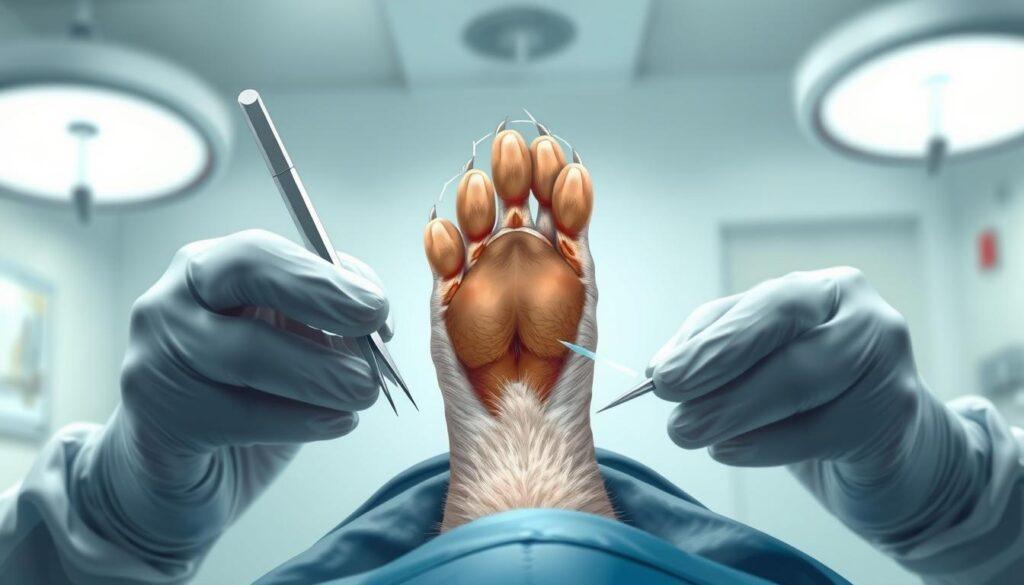
Onychectomy, the technical term for declawing, permanently alters a feline’s paws by removing the third phalanx, the bone where claws grow. This surgical intervention remains a subject of controversy, with ethical debates centering on its necessity versus the potential long-term health consequences.
What Is Onychectomy?
During the procedure, veterinarians amputate the last segment of each toe using specialized tools like lasers or scalpels. Unlike trimming nails, this eliminates the claw’s ability to regrow entirely. Proper technique reduces complications, but even skilled surgeons cannot wholly prevent nerve damage or the migration of bone fragments.
Pain Management and Recovery Timeline
Modern protocols prioritize comfort through pre-surgery nerve blocks and medications like buprenorphine. Most felines stay hospitalized for 24–48 hours post-operation for monitoring. At home, owners must provide soft litter and limit activity for 10–14 days.
Recovery timelines vary, but persistent lameness beyond three weeks warrants veterinary attention. Follow-up visits ensure proper healing and allow adjustments to pain relief plans. While younger animals often recover more quickly, all patients require diligent care to prevent infections or behavioral changes.
Assessing the Ideal Age for Declawing
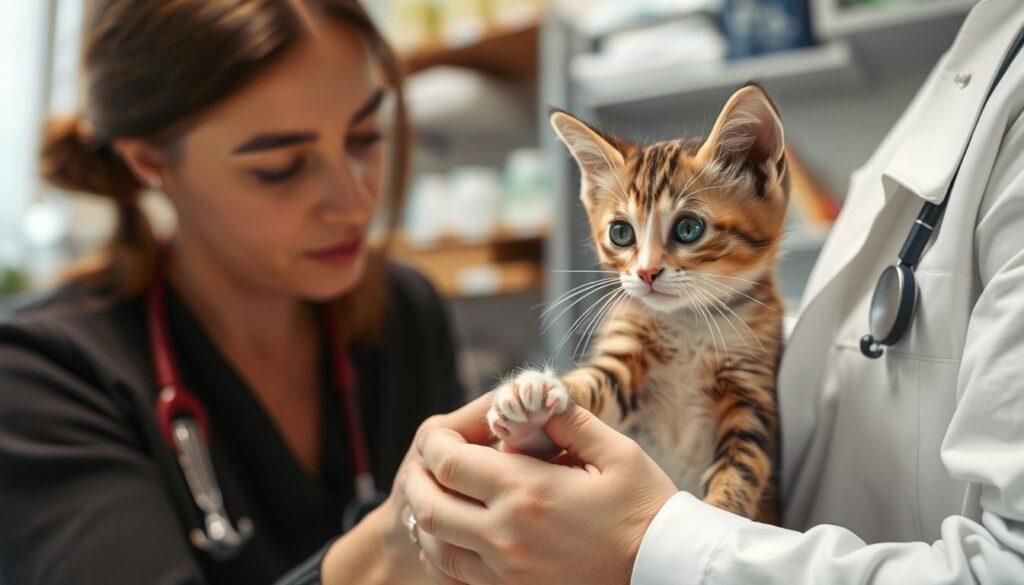
Veterinary professionals emphasize the importance of timing as a critical factor in surgical outcomes for feline procedures. While no universal “ideal age” exists, younger patients often show better adaptability to anatomical changes. This raises important considerations for families weighing their pet’s long-term health against household needs.
Benefits of Early Declawing
Performing the surgery alongside spay/neuter operations reduces anesthesia exposure. Kittens under six months exhibit faster tissue regeneration, with studies showing 40% shorter recovery periods compared to adults. Their developing nervous systems may also process post-operative discomfort less intensely.
Early intervention minimizes complications, such as bone fragments or nail regrowth. A 2022 Journal of Feline Medicine report found kittens had 67% fewer infections than mature cats undergoing similar procedures.
Risks of Delaying the Procedure
Adult felines face higher risks of chronic pain due to fully developed joint structures. Older animals often require extended medication regimens, which can increase the potential for side effects. Delayed surgeries are associated with increased litter box avoidance in 28% of cases, according to veterinary behaviorists.
“Mature patients experience more pronounced mobility challenges post-surgery,” notes the American Animal Hospital Association. Families should consider these physical impacts alongside ethical concerns about altering an established pet’s natural behaviors.
Veterinary guidelines increasingly discourage the practice at any life stage, urging the exploration of alternatives first. When medically necessary, timing decisions require balancing biological factors with household safety priorities.
Behavioral Considerations and Alternatives
Understanding feline behavior unlocks humane solutions for households seeking harmony with their pets. Scratching serves dual purposes: it maintains claw health and marks territory through scent glands in the paws. Addressing this instinct through environmental adjustments often resolves conflicts without the need for invasive procedures.
Training and Environmental Enrichment
Positive reinforcement shapes desired behaviors effectively. Reward pets with treats when using scratching posts instead of furniture. Redirect attention gently during episodes of unwanted scratching.
Surface variety matters for engagement. A 2023 study found that 78% of felines prefer vertical posts over horizontal pads. Strategic placement near resting areas increases usage rates by 40%.
| Material | Benefits | Considerations |
|---|---|---|
| Sisal | Durable, natural texture | Requires occasional re-twining |
| Cardboard | Budget-friendly, replaceable | Shorter lifespan |
| Carpet | Soft on paws | May encourage furniture scratching |
Non-surgical options complement training efforts. Soft nail caps last 4-6 weeks and come in vibrant colors. Pheromone sprays reduce stress-related scratching by 65% in multi-pet homes.
Regular maintenance proves crucial. Keeping claws dull naturally through trimming every 2-3 weeks minimizes damage. Always consult with professionals before considering permanent solutions to behavioral issues.
Can you declaw a cat at any age?
Feline guardians often grapple with ethical dilemmas when considering permanent solutions for claw-related issues. Key questions arise about timing, necessity, and long-term impacts on a pet’s well-being.
When is surgery medically justified? The AVMA states it should only follow failed attempts at behavioral modification. A 2023 survey revealed that 82% of veterinarians refuse the procedure unless facing severe risks to the owner’s disability.
How does recovery differ between age groups? Younger felines typically resume normal activities within 10 days, while older ones may need three weeks. “Every patient requires tailored pain protocols,” emphasizes Dr. Lisa Freeman from FamPet Veterinary Clinic.
Families should weigh these factors:
- Potential for lasting joint discomfort
- Increased biting incidents post-surgery
- Costs of extended medical care
Alternatives, such as pheromone diffusers, reduce destructive scratching by 74% in multi-pet households. Regular claw maintenance, paired with textured scratching surfaces, often resolves conflicts without the need for invasive measures.
Consulting a certified veterinary clinic ensures personalized guidance. Transparent discussions about risks versus benefits help families make compassionate choices aligned with their pet’s health needs.
Managing Surgery and Post-Operative Recovery
Proper surgical aftercare significantly impacts long-term outcomes for cats undergoing paw procedures. Immediate medical supervision and attentive home care can reduce complications and promote healing. Modern veterinary practices combine advanced monitoring with customized pain control plans.
Hospital Stay and Initial Recovery
Most patients remain hospitalized 24–48 hours after surgery. Veterinarians monitor heart rate, respiration, and wound condition every hour. Nerve blocks administered during the operation help manage initial discomfort, while injectable medications maintain comfort overnight.
Discharge occurs when pets show steady vital signs and interest in food. Owners receive written instructions for medication schedules and emergency contact details. A 2023 study found 92% of complications emerge within the first 72 hours, making this phase critical.
Home Care Tips for Post-Surgery Comfort
Replace standard litter with shredded paper for 14 days to prevent infections. Confine recovering felines to quiet spaces with soft bedding and easy access to water. Certified clinics often prescribe two-week pain relief regimens combining buprenorphine and meloxicam.
| Recovery Phase | Duration | Care Focus |
|---|---|---|
| Immediate Post-Op | Days 1-3 | Medication adherence, wound checks |
| First Week | Days 4-7 | Activity restriction, litter monitoring |
| Weeks 2-4 | Days 14-28 | Gradual exercise return, claw health assessment |
Schedule follow-up visits at 7 and 21 days after the procedure. Watch for these signs of trouble: swelling exceeding ¼ inch around incisions, refusal to eat for 24 hours or more, or persistent lameness. Most pets resume normal behaviors within three weeks when care protocols are followed precisely.
Questions to Ask Your Veterinarian
Responsible pet ownership involves asking critical questions before considering permanent surgical options. Prepare for consultations by focusing on safety protocols, recovery expectations, and ethical alternatives.
Essential Inquiries for Safe Declawing
Start by discussing pain control methods. Confirm if your clinic uses nerve blocks during surgery and which medications they prescribe for home care. Ask: “What follow-up monitoring do you provide in the first 72 hours?”
Key topics to address include:
- Post-surgery infection rates at the practice
- Average recovery timeline for different age groups
- Signs of neuropathy or chronic discomfort
Veterinarian Dr. Sarah Mitchell advises, “Always request data on complication rates reputable clinics track these metrics.” Discuss behavioral modification strategies, such as pheromone therapy or claw caps, as first-line solutions.
Essential follow-up questions:
- How many declawing procedures has the surgeon performed this year?
- What litter and activity restrictions apply post-surgery?
- Are there non-surgical alternatives suitable for my pet’s temperament?
Transparent conversations help families assess risks versus household needs. Document answers and compare them against veterinary association guidelines before proceeding.
Conclusion
Balancing household needs with feline health requires careful consideration of surgical options. Younger animals may recover more quickly from the procedure, but all age groups risk experiencing lasting mobility issues or behavioral changes. Early intervention reduces complications, while delayed operations increase infection rates and chronic discomfort.
Veterinary guidance remains essential when exploring solutions. Many pet families find success with textured scratching posts, pheromone diffusers, or silicone claw caps. These humane alternatives preserve natural behaviors while protecting furniture.
Post-surgery care demands strict adherence to medication schedules and activity restrictions. Follow-up visits help detect complications, such as bone fragments or nerve damage, early. Always prioritize non-invasive strategies before considering permanent anatomical changes.
Informed decisions stem from understanding both medical facts and ethical implications. Schedule a consultation with a certified veterinarian to discuss your pet’s unique needs and thoroughly explore all available options.
FAQ
Is there an age limit for declawing procedures?
While veterinarians can perform onychectomy on cats of varying ages, kittens between 12 and 24 weeks often recover faster. Older cats may experience prolonged healing or complications due to a weaker bone structure. Always consult a vet to assess individual health risks.
What non-surgical alternatives protect furniture?
Scratching posts, nail caps, and regular trimming are humane options. Environmental enrichment, like interactive toys, reduces destructive behavior. Training kittens early to use scratching surfaces can eliminate the need for surgery.
How long does post-surgery recovery take?
Initial healing takes 10–14 days, but full recovery may require 4–6 weeks. Pain management, including prescribed medications, is critical. Monitor for signs of infection or litter box avoidance during this period.
Are certain breeds at higher risk during surgery?
Breeds with thicker nail beds, like Maine Coons, may experience more discomfort. Senior cats or those with arthritis also face increased risks. Discuss breed-specific concerns with your veterinarian beforehand.
Does declawing impact a cat’s behavior long-term?
Some pets develop biting, anxiety, or litter aversion due to paw sensitivity. Providing soft bedding and stress-free environments post-surgery helps mitigate these changes. Behavioral training is recommended in conjunction with the procedure.
What post-operative care ensures comfort at home?
Use dust-free litter and avoid rough surfaces to prevent dust accumulation. Confine the cat to a quiet space initially. Check bandages daily and administer pain relief as directed. Laser surgery options may reduce bleeding and swelling for a smoother recovery.
Why do some veterinarians refuse declawing services?
Many clinics prioritize ethical concerns over convenience. The AVMA discourages the practice due to potential physical and psychological harm. Always seek clinics offering thorough pre-surgery counseling on risks and alternatives.