

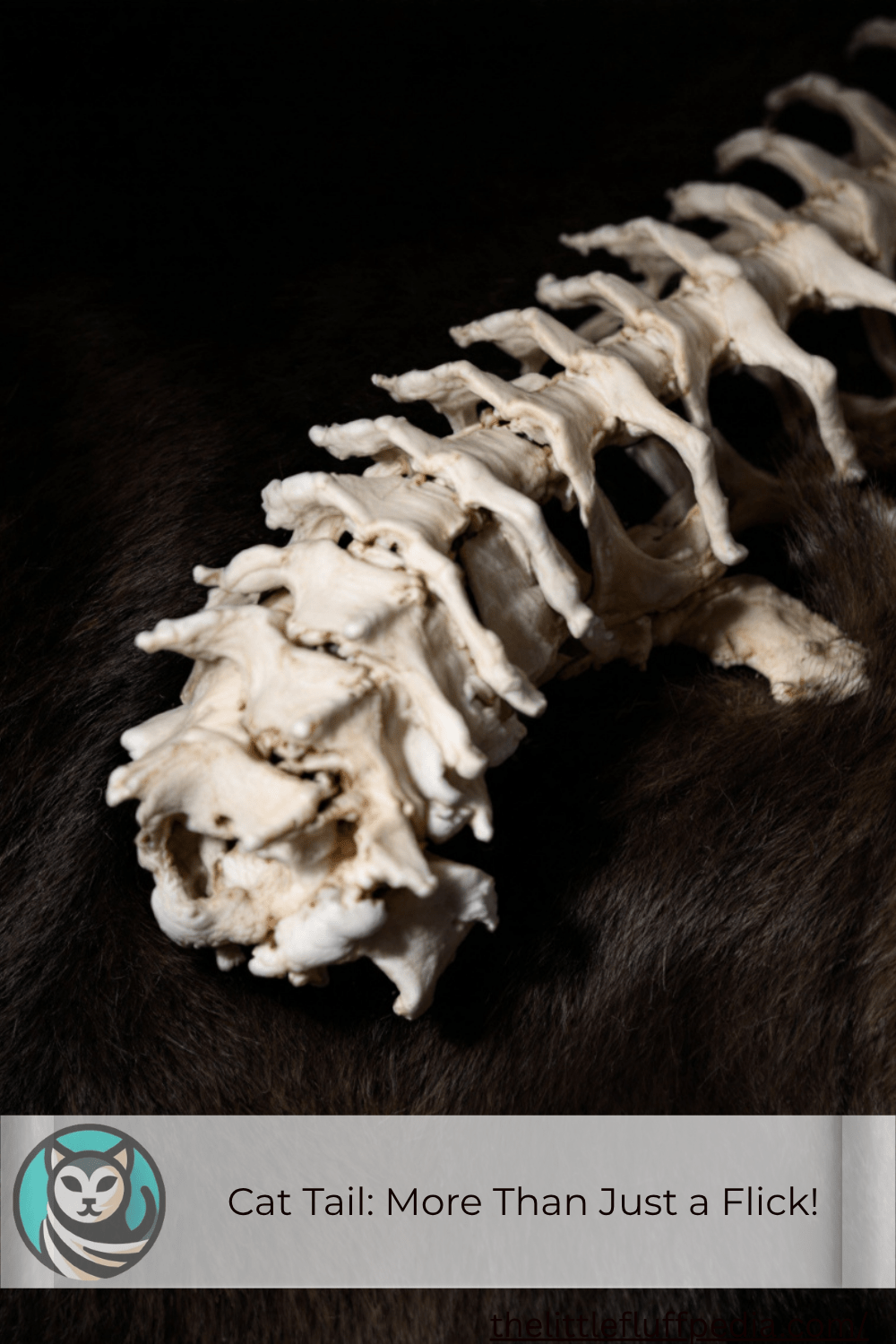
A cat’s tail contains up to 20 vertebrae nearly 10% of its total bone count, and serves as a critical extension of its spine. This complex structure isn’t just for show: it helps felines balance during jumps, communicate emotions, and even regulate body temperature. Despite viral videos suggesting otherwise, tails rarely detach without significant trauma or illness. So, while many may wonder, “Can cat tails fall off?” the answer is that it is quite uncommon without serious injury.
Injuries like fractures, deep wounds, or nerve damage can compromise this delicate appendage. For example, accidents involving car engines or untreated infections may lead to severe complications. When issues arise, immediate veterinary care is vital to prevent long-term health risks, such as paralysis or chronic pain.
This guide explores how tails function, why detachment is uncommon, and what steps to take if your pet faces a tail-related emergency. You’ll also learn to spot warning signs and debunk myths about these iconic appendages.
Key Takeaways
- A cat’s tail is part of its spine and essential for balance and communication.
- Tail detachment is rare and typically linked to trauma or untreated medical conditions.
- Serious injuries require urgent veterinary attention to avoid complications.
- Ignoring tail damage can lead to nerve issues or mobility challenges.
- Understanding tail anatomy helps owners recognize early signs of trouble.
Understanding the Anatomy of a Cat’s Tail
A feline’s tail acts like a built-in balancing rod, packed with bones, muscles, and nerves. This flexible structure connects directly to the spinal column, housing vertebrae that taper toward the tip. Surrounding muscles enable precise movements, ranging from delicate flicks to dramatic swishes, while nerves relay sensory feedback that is critical for coordination.

Spine Extension and Balance
The tail’s vertebrae stabilize felines during high-speed turns or narrow ledge walks. When leaping, rapid tail adjustments shift the body’s center of gravity mid-air. Breeds like the Manx, born with shortened tails, often compensate with stronger hind legs for agility.
Tail as a Communication Tool
Beyond movement, tails broadcast emotions. A raised tail signals curiosity, while a puffed-up posture indicates fear. Veterinarians have noted that communication signals differ between cats and humans. Slow blinks paired with tail curls often show trust.
Fractures near the tail’s base risk damaging nerves controlling bladder or limb function. Tip injuries may heal with rest, but swelling or limpness requires urgent care. Recognizing these differences helps owners act swiftly during emergencies.
Factors That Can Lead to Tail Injuries
Tail injuries often result from unexpected events or underlying health problems. Recognizing common causes helps owners minimize risks and respond effectively during emergencies.

Physical Trauma and Accidents
Collisions with vehicles or heavy objects rank among the top reasons for fractures and degloving injuries. A slammed door or fan belt entanglement can strip skin from the tail, exposing bone. Veterinarians report that car-related accidents account for 30% of severe tail damage cases.
Medical Conditions and Infections
Untreated abscesses or autoimmune disorders weaken tissue over time. Bacterial infections may spread to the vertebrae, while conditions like diabetes slow healing. “Tail necrosis becomes likely if blood flow is compromised,” notes Dr. Emily Carter, a veterinary surgeon.
Self-inflicted Wounds and Allergies
Flea allergies and stress trigger obsessive chewing. Feline hyperesthesia syndrome causes sudden tail attacks due to heightened skin sensitivity. Persistent licking creates open sores prone to infection.
| Cause | Examples | Prevention Tips |
|---|---|---|
| Trauma | Car accidents, falls | Secure windows, supervise outdoor time |
| Medical Issues | Abscesses, diabetes | Regular vet checkups |
| Behavioral | Hyperesthesia, allergies | Anti-anxiety toys, flea control |
Multiple factors, from environmental hazards to genetic predispositions, can jeopardize tail health. Early intervention often prevents irreversible nerve damage or amputation.
Can Cat Tails Fall Off: Unraveling the Myths and Facts
Social media often sensationalizes rare events, creating confusion about feline health. Viral clips showing tails detaching “spontaneously” usually omit critical contexts like untreated injuries or infections. Veterinary studies confirm that tail loss requires severe triggers, such as crushing accidents or advanced necrosis from untreated wounds.
| Myth | Fact |
|---|---|
| Tails detach naturally like lizard tails | No regenerative ability; loss indicates trauma |
| Minor cuts lead to detachment | Only deep tissue/nerve damage causes separation |
| Amputation is always necessary | Partial injuries may heal with treatment |
Dr. Sarah Mitchell, a veterinary neurologist, states: “Tail amputation becomes essential when nerve damage compromises bladder control or mobility. Infections spreading to the spine also demand immediate action.” Watch for these signs of critical injury:
- Persistent swelling or coldness in the appendage
- Open wounds with pus or foul odor
- Dragging limbs or incontinence
Misleading online videos often show pets without tail segments but skip pre-existing conditions. Always consult a vet for diagnosis. Proper imaging reveals whether tissue death or fractures exist. While rare, tail loss underscores the need for prompt care to protect spinal health.
First Aid for Cat Tail Injuries
Effective first aid reduces infection risks by 60%, according to veterinary studies. Acting quickly stabilizes injuries and improves recovery outcomes. Follow these steps to manage bleeding and protect your pet before reaching professional care.
Immediate Steps to Control Bleeding
Apply gentle pressure with a clean cloth for 5-10 minutes. Avoiding squeezing tightly restricted blood flow worsens tissue damage. If bleeding persists, wrap the tail loosely with gauze and secure it using medical tape.
Preventing Infection at Home
Clean wounds with mild soap and lukewarm water. Pat dry before applying antibiotic ointment. Veterinarians recommend “using a breathable bandage that allows movement while shielding the injury” to promote healing.
| Step | Action | Caution |
|---|---|---|
| 1 | Stop bleeding | Don’t use tourniquets |
| 2 | Disinfect area | Avoid alcohol-based products |
| 3 | Apply ointment | Check for allergic reactions |
| 4 | Bandage loosely | Change daily |
Use an Elizabethan collar if your pet tries to lick the wound. Seek veterinary care immediately for deep cuts, fractures, or signs of shock. Minor injuries may heal with home treatment, but swelling or discoloration requires professional evaluation.
When to Seek Veterinary Care
Timely veterinary intervention often determines recovery outcomes for tail injuries. While minor scrapes may heal at home, certain symptoms demand professional evaluation to prevent irreversible damage.
Recognizing Serious Symptoms
Excessive bleeding lasting over 10 minutes signals deep tissue damage. Swelling near the tail base or sudden incontinence suggests nerve damage affecting spinal connections. Watch for these critical signs:
- Limp dragging or inability to lift the appendage
- Foul-smelling discharge from wounds
- Aggression when touched due to severe pain
Behavioral changes like hiding or appetite loss often accompany serious injuries. A 2022 Journal of Feline Medicine study found that 40% of tail fractures near the spine lead to bladder dysfunction without treatment.
Treatment Options and Tail Amputation
Veterinarians assess injuries through X-rays and nerve response tests. Treatment ranges from antibiotics for infections to surgery for complex fractures. Dr. Lisa Harper states: “Amputation becomes necessary when blood flow stops or infections threaten vital organs.”
| Injury Type | Treatment | Success Rate |
|---|---|---|
| Superficial Wound | Antibiotics + Bandaging | 92% |
| Nerve Damage | Surgery + Physical Therapy | 78% |
| Advanced Necrosis | Partial Amputation | 85% |
Document symptoms like mobility changes or litter box accidents before your visit. If first aid steps don’t stabilize the injury within 24 hours, seek emergency care. Early action preserves mobility and prevents systemic infections.
Safety Tips for Preventing Tail Injuries
Proactive measures significantly reduce risks to your pet’s sensitive appendage. Simple environmental adjustments and awareness of common hazards help maintain tail health while strengthening bonds with your companion.
Home Safety Measures
Secure unstable shelves and heavy decor that could topple during play. Place non-slip mats under climbing towers to prevent slips during jumps. Dr. Karen Miller, a feline behavior specialist, advises: “Padded window perches reduce impact if pets lose balance, critical for high-energy breeds.”
Monitor interactions with dogs or other animals that might nip at tails. Watch for stress signals like rapid twitching or lowered posture to avoid conflicts. Routine veterinary exams catch early signs of infections or skin irritations before they escalate.
Outdoor and Vehicle-Related Risks
Outdoor cats face higher risks near roads or parked cars. Install secure catio (enclosed patios) to provide safe outdoor access. Always check under car hoods in cold weather; curious pets often seek warmth near engines.
| Environment | Risk | Solution |
|---|---|---|
| Indoors | Falling objects | Anchor furniture |
| Vehicles | Entrapment | Knock hood before starting |
| Yards | Animal conflicts | Supervised outdoor time |
Busy streets account for 43% of vehicle-related injuries in urban areas, according to PetSafe studies. Keep identification tags updated in case escapes occur. Pair these strategies with gentle training to reinforce safe behaviors around hazards.
Understanding Feline Hyperesthesia Syndrome and Tail Loss
A neurological disorder causing extreme skin sensitivity, feline hyperesthesia syndrome, often triggers compulsive grooming or biting. This rare condition affects the body’s sensory pathways, leading to sudden bursts of agitation. Affected pets may chase their tails, vocalize loudly, or react aggressively to touch.
Symptoms and Diagnosis
Key signs include rippling skin along the back, dilated pupils, and frantic licking of the tail base. Some pets develop back twitching or self-inflicted wounds from excessive scratching. These episodes typically last seconds to minutes but can recur daily.
Veterinarians diagnose the syndrome by ruling out allergies, infections, and spinal issues. Blood tests, skin biopsies, and MRI scans help identify neurological abnormalities. Dr. Laura Simmons, a feline specialist, notes: “Owners often mistake symptoms for stress; consistent video recordings aid accurate diagnosis.”
Untreated cases risk severe injury as repeated biting damages tissue and nerves. Over time, open sores may lead to infections or partial tail loss. Early intervention with anti-seizure medications or behavior therapy often reduces flare-ups.
Managing this condition requires patience. Enrichment activities like puzzle feeders distract pets during episodes. Regular vet checkups monitor progress and adjust treatment plans. Recognizing early warning signs, like obsessive grooming, helps prevent irreversible damage to the tail.
Caring for a Cat After Tail Loss
Adapting to life without a tail requires patience and targeted support for both pets and owners. While balance and communication patterns may shift, most felines adjust remarkably well with attentive care. Focus on creating a safe environment and monitoring physical health ensures long-term well-being.
Managing Behavioral Changes
Tail loss impacts how pets express emotions and navigate spaces. Some may appear hesitant during jumps or struggle with precise movements. Offer low climbing structures and padded surfaces to rebuild confidence.
Communication gaps often resolve as pets adapt. Use vocal cues and gentle touch to reinforce positive interactions. “Consistency helps animals learn new ways to interact,” explains Dr. Rachel Torres, a veterinary behaviorist.
Post-Amputation Care and Comfort
Recovery involves wound monitoring and activity restrictions. Follow these steps to support healing:
- Check incision sites daily for redness or discharge
- Provide orthopedic bedding to reduce joint strain
- Engage in short, supervised play sessions
Dietary adjustments boost recovery high-protein meals aid tissue repair. Physical therapy improves mobility in 68% of cases, per a 2023 Journal of Feline Medicine study. Schedule biweekly vet visits during the first month to track progress.
| Recovery Phase | Care Focus | Duration |
|---|---|---|
| Initial Healing | Pain management | 1-2 weeks |
| Adaptation | Balance exercises | 3-6 weeks |
| Long-Term | Weight monitoring | Ongoing |
Most pets regain full independence within two months. Watch for signs of discomfort like excessive grooming or appetite changes. With proper treatment and environmental modifications, tailless companions thrive in loving homes.
Environmental Adjustments to Protect Your Cat
Creating a safe space for pets involves strategic changes to daily living areas. Simple modifications prevent accidents while preserving your companion’s natural curiosity. Start by evaluating high-risk zones where tails might get caught or crushed.
Indoor Hazard Prevention Strategies
Secure loose wires and curtain cords that pose entanglement risks. Install corner guards on sharp furniture edges, especially near favorite lounging spots. Non-slip mats under climbing trees improve grip during energetic leaps.
Regularly inspect household items like reclining chairs or folding doors. These mechanisms can trap tails if left unmaintained. “Monthly home audits catch hazards before they cause harm,” advises a leading pet safety organization.
| Area | Risk | Solution |
|---|---|---|
| Play Zones | Unstable shelves | Wall anchors |
| Feeding Areas | Slippery floors | Textured mats |
| Resting Spots | Heavy decor | Lower placement |
Bright lighting helps pets navigate tight spaces without bumping into objects. Store breakables on upper shelves to prevent tail knocks during play. For multi-pet homes, create separate pathways to reduce collision risks.
Outdoor protections include supervised balcony time and secure fencing. Check vehicle engines before starting them. Curious explorers often hide near warm motors. These adjustments work best when paired with routine veterinary checkups to address early warning signs.
Tail Injury Treatment and Recovery Process
Tail injuries demand a structured recovery plan to restore mobility and prevent complications. After initial medical intervention, focused rehabilitation helps pets regain strength while minimizing long-term effects. Owners play a vital role in monitoring progress and adjusting daily routines for optimal healing.
Rehabilitation and Long-Term Care
Recovery occurs in three phases: acute healing, functional restoration, and maintenance. During the first week, restricted activity and pain management take priority. Veterinarians often prescribe anti-inflammatory medications and recommend soft bedding to reduce pressure on injured areas.
Gentle exercises begin once the swelling subsides. Balance drills like slow obstacle courses rebuild coordination. Movement therapy using feather toys encourages natural tail positioning during play. Dr. Helen Park, a rehabilitation specialist, notes: “Controlled activities prevent muscle atrophy without straining healing tissues.”
| Recovery Phase | Care Focus | Duration |
|---|---|---|
| Acute Healing | Rest + Medication | 7-14 Days |
| Functional Restoration | Therapy Exercises | 3-6 Weeks |
| Maintenance | Diet + Checkups | Ongoing |
Long-term care includes high-protein diets for tissue repair and biweekly vet visits. Owners should watch for limping or litter box issues, which may signal nerve damage. Emotional support helps pets adapt to calming pheromone diffusers to ease anxiety during transitions.
Most felines show significant improvement within two months when following tail trauma protocols. Documenting daily progress in a journal helps identify setbacks early. Consistent routines and patience ensure injured companions thrive post-recovery.
Conclusion
A feline’s tail serves as both a physical stabilizer and an emotional barometer. This vital structure enables precise communication while supporting agile movements. Understanding its anatomy helps owners recognize early signs of trouble, from minor scrapes to potential nerve damage.
Most injuries stem from accidents or untreated medical conditions. Preventive measures like securing hazardous areas and supervising outdoor time reduce risks significantly. Quick first aid, gentle cleaning, and bandaging can stabilize minor wounds before professional treatment.
Severe cases require immediate veterinary attention to avoid long-term complications. Behavioral changes or mobility issues often signal deeper problems needing expert care. With proper rehabilitation, many pets adapt well to life after tail loss through environmental adjustments and targeted support.
Regular home safety checks and prompt action during emergencies protect your companion’s well-being. If unusual symptoms appear, consult a veterinarian without delay. Cats possess remarkable resilience, often thriving despite physical challenges when given attentive care.