
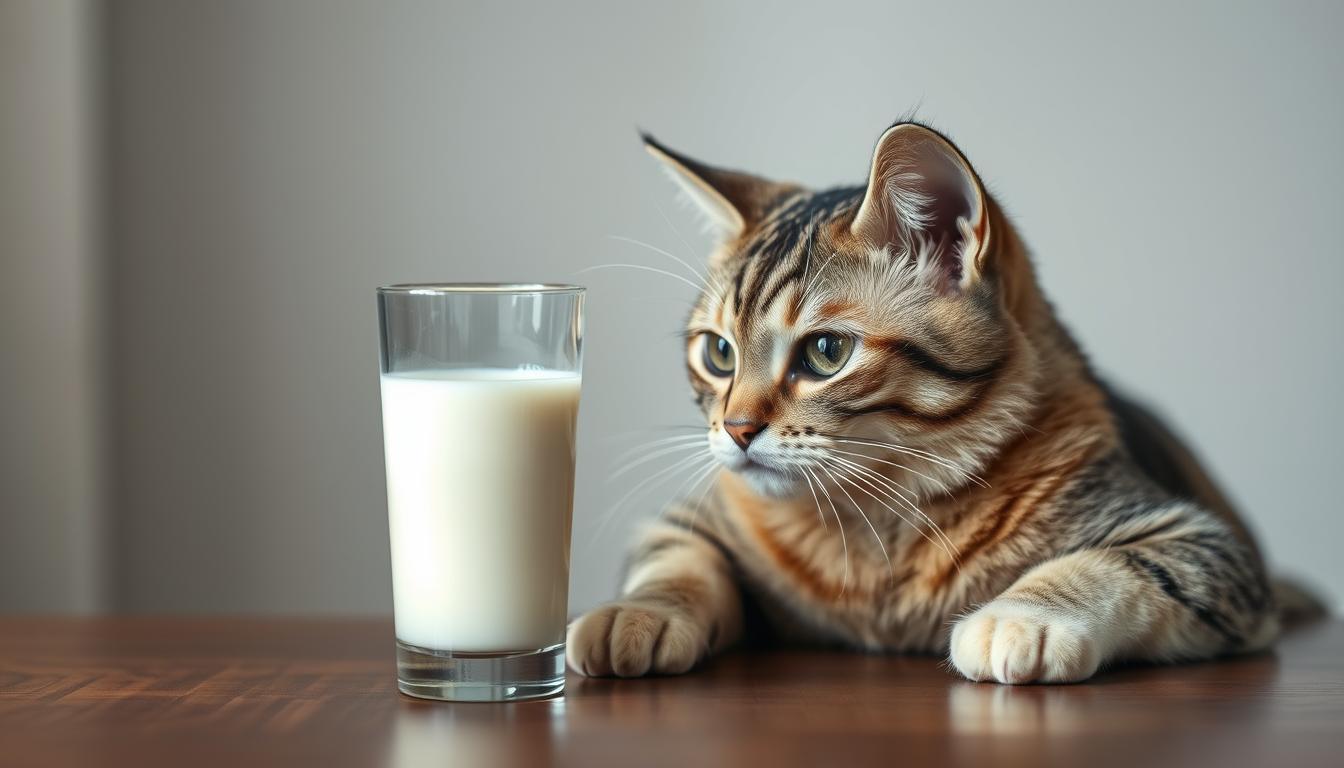
Over 40% of pet owners admit to sharing human foods with their feline companions but not all alternatives are safe. Oat-based beverages have surged in popularity as dairy-free options, leaving many to wonder: can cat drink oat milk? Is this plant-based drink suitable for pets?
Felines lack the enzymes to digest lactose properly, making traditional dairy problematic. While oat-derived products eliminate this issue, they don’t provide essential nutrients like taurine or animal-based proteins. Veterinarians emphasize that water remains the ideal source of hydration for these obligate carnivores.
Curiosity often drives pet parents to experiment with trendy foods. However, a meat-focused diet supports optimal organ function and energy levels. Occasional licks of oat-based liquids might satisfy a pet’s curiosity without immediate harm, but regular consumption offers no health benefits.
Key Takeaways
- Oat-based beverages lack the vital nutrients cats require
- Water should always be the primary hydration source
- Small quantities are generally safe but nutritionally unnecessary
- Consult veterinarians before introducing new foods
- Meat remains critical for feline dietary needs
This guide explores safety considerations, nutritional gaps, and expert recommendations. Learn how to balance modern food trends with species-specific requirements.
Understanding Feline Nutritional Needs
Nutritional misconceptions put many felines at risk of health issues. Unlike humans, these animals evolved to thrive on meat-based diets rich in proteins and amino acids like taurine. Their bodies prioritize animal-derived nutrients over plant sources, making them obligate carnivores by biological design.
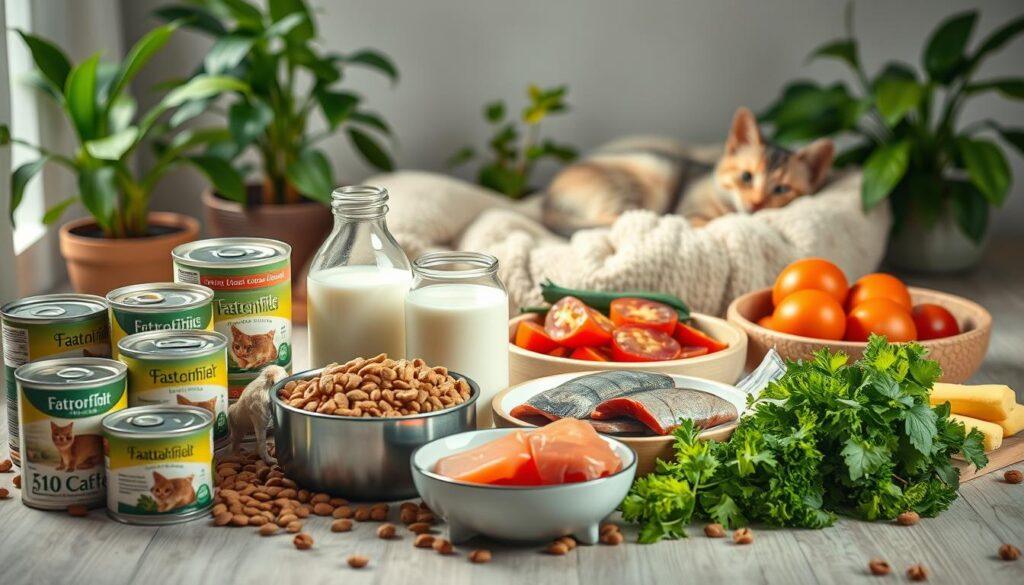
Obligatory Carnivores and Dietary Requirements
A meat-focused diet supports critical functions like heart health and vision. Plant-based options lack sufficient vitamin A, arachidonic acid, and preformed nutrients essential for survival. Even specialized products labeled “cat milk” often fail to meet these strict biological demands.
Common Myths About Milk Consumption
Many believe cow’s milk benefits kittens, but most kittens lose lactose-digesting enzymes after weaning. Dairy products frequently cause digestive distress due to sugar content and enzyme deficiencies. While some enjoy the taste, regular intake disrupts balanced dietary plans designed for carnivores.
Store-bought milk alternatives often contain additives like salt or sweeteners that offer no nutritional value. Veterinarians stress that water remains the optimal hydration source, as even lactose-free options lack species-appropriate benefits. Always prioritize vet-approved nutrition over fleeting trends.
Safety Considerations for Oat Milk in Cats
Pet owners exploring alternative beverages often overlook hidden risks in commercial products. While plant-based options eliminate lactose concerns, store-bought varieties may introduce new challenges for feline health.
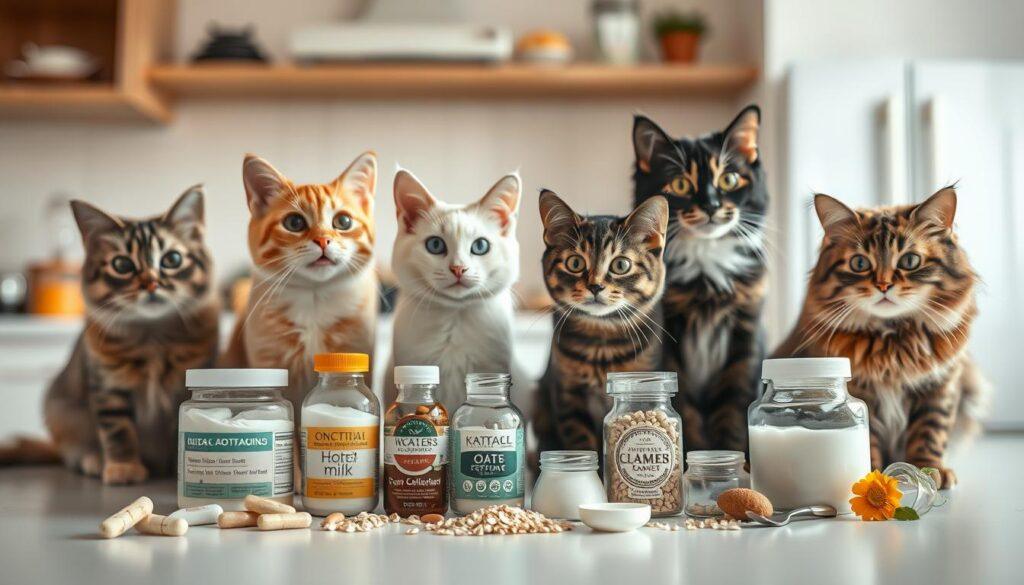
Lactose Intolerance vs. Plant-Based Alternatives
Felines naturally lose lactase enzymes after weaning, making dairy problematic. Oat-derived liquids bypass this issue since they contain no lactose. However, their composition still differs significantly from species-appropriate hydration sources.
Ingredients to Avoid in Store-Bought Oat Milk
Many commercial brands contain sugars, preservatives, or excessive salt. These additives strain digestive systems, potentially causing vomiting or diarrhea. Even small amounts might irritate sensitive stomachs over time.
Look for unsweetened varieties without artificial thickeners. Natural doesn’t always mean safe, some “organic” options still include unnecessary sweeteners. Always check labels for xylitol, a toxic sweetener occasionally found in plant-based drinks.
Veterinary nutritionists recommend limiting servings to occasional licks if owners insist on sharing. For detailed guidance, consult trusted resources outlining safe practices. Moderation remains key, as even harmless-looking ingredients lack nutritional value for obligate carnivores.
Watch for signs like lethargy or changes in appetite after consumption. These could indicate intolerance to specific components. Always prioritize fresh water and discuss dietary experiments with your vet first.
Nutritional Comparison of Oat Milk and Cow Milk for Cats
Understanding how plant-based and dairy options differ helps pet owners make informed choices. Cow-derived products contain calcium and vitamin B12 but often trigger digestive issues in lactose-sensitive felines. Oat-based alternatives eliminate lactose but lack animal proteins critical for muscle maintenance.
| Nutrient | Cow Milk | Oat Milk | Impact on Felines |
|---|---|---|---|
| Protein | 8g per cup | 3g per cup | Insufficient for carnivores |
| Fat Content | 8g | 5g | Lower fat may aid weight management |
| Vitamins | B12, D, Calcium | Fortified B2, D | No preformed vitamin A (essential) |
| Lactose | High | None | Reduces digestive risks |
Dairy milk provides more complete nutrition but poses problems for many cats lacking lactase enzymes. Oat varieties avoid this issue but introduce empty calories from added sugars. Neither supports long-term health as a primary hydration source.
Excessive consumption of either beverage may lead to weight gain due to unnecessary carbohydrates. Veterinarians emphasize that water and species-appropriate food plans remain vital. Occasional small servings might satisfy curiosity without major risks.
Always prioritize protein-rich diets over liquid supplements. Plant-based drinks should never replace meals designed for obligate carnivores. Consult your vet before introducing new items to ensure balanced nutrient intake.
Pros and Cons of Oat Milk in a Cat’s Diet
When feline companions show interest in plant-based beverages, owners face a dilemma. While oat-derived liquids aren’t toxic, they present both opportunities and challenges for species with strict dietary needs.
Potential Benefits
Occasional servings may offer limited advantages. Lactose-free formulas reduce digestive risks compared to dairy products. Some pets enjoy the creamy texture as an infrequent treat without immediate harm.
Unsweetened varieties provide minimal hydration support. This can be useful for picky drinkers during hot weather. However, these benefits remain situational rather than essential.
Possible Risks
Regular consumption introduces multiple concerns. Added sugars in commercial brands contribute to weight gain and dental issues. Digestive systems may react to thickeners like guar gum with vomiting or loose stools.
Long-term use could create nutritional imbalances. Plant-based drinks lack taurine and arachidonic acid found in meat. Over time, this might affect heart health or coat quality.
| Factor | Benefit | Risk |
|---|---|---|
| Digestion | No lactose irritation | Additive sensitivity |
| Nutrition | Low-calorie option | Zero essential proteins |
| Behavior | Novelty enjoyment | Reduced appetite for meals |
Watch for signs like excessive thirst or lethargy after consumption. These could indicate blood sugar spikes from hidden sweeteners. Always prioritize species-appropriate diet plans over trendy substitutes.
While some “milk cats” might beg for a taste, their biology demands meat-based nutrition. Use oat-derived products sparingly if at all, and never as meal replacements.
Can cat drink oat milk? Guidelines for Moderation
Offering plant-based beverages to pets requires careful portion control, especially for species with specialized diets. While small quantities might seem harmless, veterinary professionals emphasize structured approaches to prevent nutritional imbalances.
Recommended Serving Size
Limit oat-derived beverages to 1-2 tablespoons weekly, served in a shallow, wide bowl. This design reduces whisker fatigue a common stressor when pets repeatedly touch container edges. Use measuring spoons for accuracy, as even minor excess could disrupt balanced dietary routines.
Signs of Overconsumption
Watch for vomiting, diarrhea, or reduced appetite after consumption. These symptoms often indicate sensitivity to additives or carbohydrates. Persistent lethargy may signal blood sugar fluctuations from hidden sweeteners.
Fresh water should always remain the primary hydration source. Place multiple bowls throughout your home to encourage drinking. If your feline companion shows interest in oat-based liquids, offer them separately from meals to avoid displacing essential nutrients.
Consult your veterinarian before introducing new items. They can assess individual health factors and recommend tailored limits. Remember: novelty treats should never compromise species-specific nutritional priorities.
Digestive and Health Impacts of Oat Milk on Cats
Feline digestive systems prioritize efficiency over adaptability when processing unfamiliar foods. Plant-based beverages like oat-derived liquids often challenge their biology, leading to short-term discomfort or long-term complications.
Common Gastrointestinal Symptoms
Excessive consumption frequently triggers vomiting due to additives irritating sensitive stomachs. Loose stools or diarrhea may follow as undigested carbohydrates ferment in the gut. Bloating can occur when thickeners like guar gum slow digestion.
An upset stomach disrupts nutrient absorption, potentially weakening immune responses. Pets experiencing discomfort might avoid their regular food, creating a cycle of poor intake and energy depletion. Observing litter box habits helps identify issues early.
Clinical studies note that even small amounts may cause:
- Regurgitation within 2-4 hours
- Increased flatulence from carbohydrate overload
- Lethargy due to blood sugar fluctuations
While not toxic, repeated exposure to oat-based drinks strains digestive organs. Persistent symptoms require immediate dietary adjustments guided by veterinary professionals. Track portion sizes and frequency to prevent cumulative effects.
Owners should prioritize species-appropriate hydration and report unusual behaviors promptly. Temporary curiosity doesn’t justify compromising long-term health through unplanned experiments.
Homemade vs. Store-Bought Oat Milk for Cats
Pet nutrition enthusiasts often debate whether DIY recipes or commercial products better suit feline companions. Homemade oat-based liquids allow full control over ingredients, while store-bought versions may contain hidden additives. Let’s examine which option aligns with species-specific needs.
Benefits of Homemade Oat Milk
Creating oat-derived beverages at home eliminates preservatives and sweeteners found in many commercial brands. A simple blend of rolled oats and filtered water provides minimal additives, ideal for pets with food sensitivities. This approach avoids thickeners like carrageenan, which studies link to digestive inflammation.
Owners can adjust consistency for picky drinkers or dilute mixtures to reduce calorie density. Unlike almond-based alternatives, homemade oat recipes exclude nuts that might trigger allergic reactions. Always strain mixtures thoroughly to remove gritty particles that could irritate delicate stomachs.
What to Look for in Commercial Varieties
When purchasing pre-made options, scrutinize labels for xylitol-free formulas and unsweetened certifications. Avoid product listing:
- Artificial flavors or colors
- Added sugars (cane syrup, maltodextrin)
- Synthetic stabilizers (gellan gum)
Some brands fortify beverages with vitamins, but these supplements rarely meet feline diet requirements. Almond-derived versions might seem appealing, but they offer no nutritional advantages over oat-based options.
Remember: water consumption remains critical for kidney function and hydration. Use plant-based liquids sparingly as occasional treats rather than meal replacements. For homemade preparation, blend ¼ cup oats with 4 cups water, strain through cheesecloth, and refrigerate for up to 3 days.
Expert and Veterinarian Insights
Veterinary professionals unanimously agree that no two felines share identical dietary needs. Dr. Emily Carter, a board-certified veterinary nutritionist, states:
“While oat-based beverages aren’t inherently dangerous, they’re biological mismatches for animals requiring meat-derived nutrients.”
When to Seek Professional Guidance
Immediately contact your vet if your pet shows:
- Repeated vomiting or diarrhea after consuming plant-based drinks
- Sudden weight fluctuations despite normal eating habits
- Unusual lethargy lasting over 24 hours
Persistent symptoms could indicate underlying conditions like diabetes or kidney disease. Older pets or those with pre-existing health issues often require stricter dietary controls.
Tailoring Nutrition to Unique Needs
Factors influencing tolerance include:
- Age: Kittens process carbohydrates less efficiently than adults
- Body composition: Overweight pets need calorie-restricted plans
- Existing meals: High-quality protein diets leave little room for empty calories
Research shows cow-derived products cause digestive distress in 65% of adult felines, while oat alternatives trigger reactions in 22%. However, neither provides species-essential nutrients.
Key takeaway: “What’s harmless for one pet might harm another,” emphasizes Dr. Carter. Always discuss nutritional experiments during routine check-ups, especially for pets with chronic conditions.
Conclusion
Balancing modern food trends with feline biology requires careful consideration. While small licks of oat milk may satisfy curiosity, these plant-based liquids lack essential proteins and nutrients that obligate carnivores require. Water remains paramount for hydration, and species-specific diet plans should always take priority.
Store-bought varieties often contain sugars or preservatives that offer no health benefits. Though lactose-free alternatives eliminate dairy-related risks, they don’t replace animal-derived vitamins critical for organ function. Occasional treats must never displace balanced meals tailored to carnivorous needs.
Consulting veterinarians ensures individual pets’ unique requirements are met. What works for one feline might harm others, especially those with weight concerns or sensitive digestion. Prioritize fresh water, vet-approved nutrition, and moderation when introducing novel items.
Ultimately, informed decisions protect long-term well-being. Use this guidance to navigate trendy options responsibly while keeping biological necessities at the forefront.