

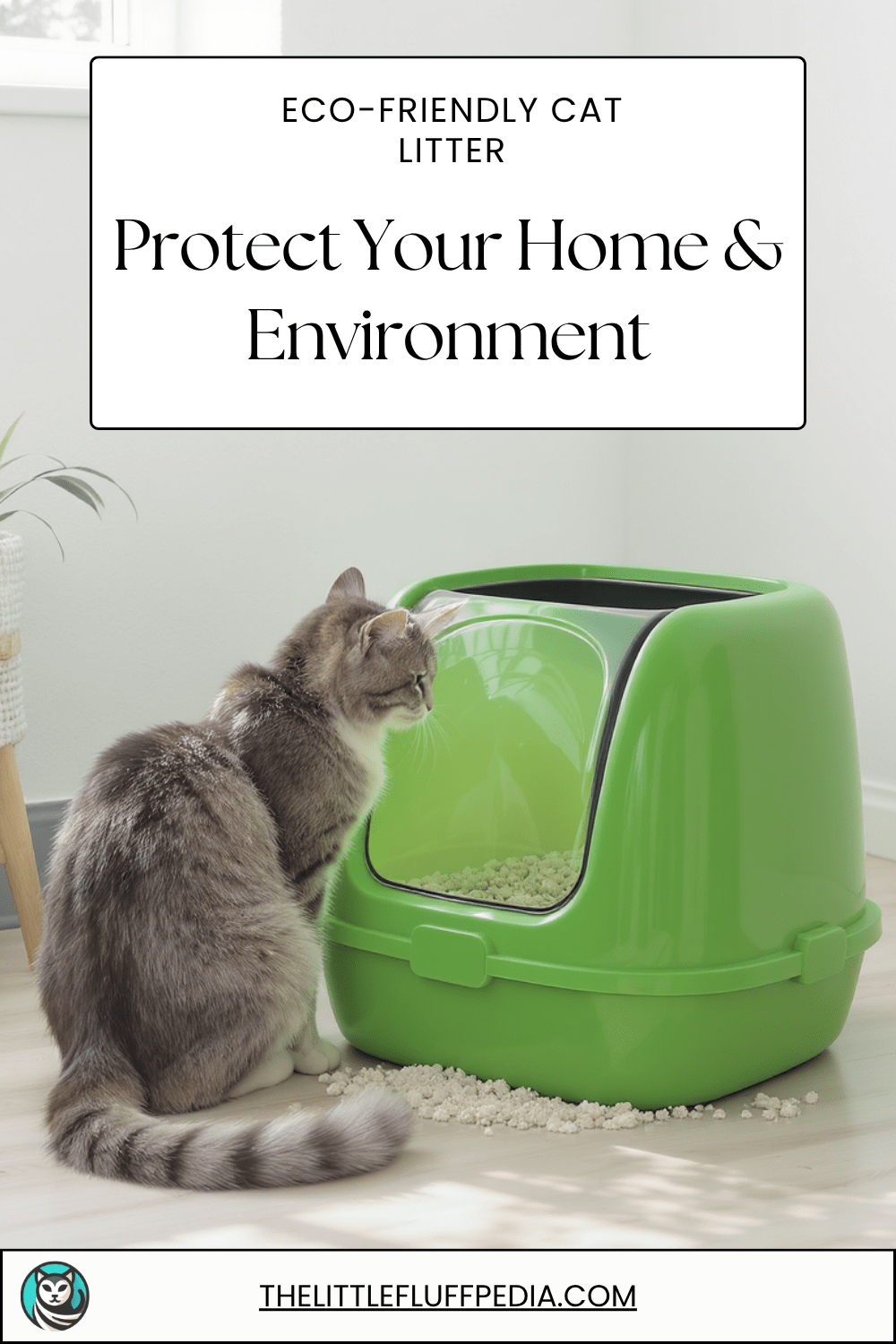
Households across America spend over $1 billion annually repairing clogged pipes — and clay-based products contribute significantly to this expense. Many feline caregivers face a daily challenge: finding safe ways to handle waste, including whether you can flush cat litter down the toilet, without damaging infrastructure or ecosystems.
Traditional clumping formulas contain bentonite, a material that expands when wet. This creates concrete-like masses in plumbing systems, according to water management experts. Over time, these blockages can lead to sewage backups, which can cost thousands to resolve.
Environmental agencies warn that wastewater treatment plants can’t eliminate Toxoplasma gondii, a parasite found in feline feces. This pathogen threatens marine life when reintroduced to waterways. Clay-based products compound the problem by transporting harmful organisms through drainage networks.
Key Takeaways
- Flushing waste introduces dangerous parasites into water ecosystems
- Clay-based formulas cause pipe corrosion and blockages
- Municipal systems lack proper parasite filtration methods
- Clumping agents expand dramatically when exposed to moisture
- Eco-friendly disposal methods protect plumbing and wildlife
Recent analyses reveal that septic systems face particular vulnerability. The combination of organic matter and non-biodegradable materials overwhelms bacterial breakdown processes. This section explores practical alternatives that safeguard both home infrastructure and environmental health.
Understanding the Risks of Flushing Cat Litter
The convenience of disposing of pet waste through household drains masks severe consequences for infrastructure and public health. Two critical factors demand attention: biological threats from pathogens and mechanical dangers to water systems.

Health Hazards: Toxoplasmosis and Zoonotic Diseases
Toxoplasma gondii parasites in feline feces survive wastewater treatment, posing risks to marine ecosystems and humans. Pregnant individuals face particular danger, as exposure may lead to congenital disabilities. Immunocompromised persons could develop severe neurological complications.
Proper handling requires gloves and sealed disposal methods. Health organizations confirm this parasite remains infectious for months in soil or water, emphasizing the need for cautious waste management practices.
Plumbing and Septic System Concerns
Traditional clay-based products contain bentonite, a mineral that expands up to 15 times when wet. This reaction creates cement-like obstructions in pipes, often requiring professional removal. Municipalities report bentonite-related blockages account for 18% of residential sewer emergencies.
Septic tanks face accelerated wear when non-degradable materials accumulate. “Solidified litter reduces tank capacity by 40% within two years,” states a recent plumbing industry report. Environmentally safe methods like flushable alternatives prevent these issues while protecting groundwater quality.
Water authorities nationwide now implement public awareness campaigns about proper disposal techniques. These initiatives aim to reduce repair costs and ecological contamination simultaneously.
Can you flush cat litter down the toilet? Weighing the Pros and Cons.
The debate over managing pet waste frequently centers on convenience versus sustainability. While some advocate for flushing as a time-saving solution, evidence reveals hidden threats to infrastructure and ecosystems.
Benefits and Myths Behind Flushing Cat Litter
Proponents argue that flushing eliminates odors quickly and reduces trash volume. However, most conventional products contain bentonite clay, which expands into cement-like masses when wet. A 2023 plumbing survey found these clumps caused 23% of emergency drain calls in urban areas.
Manufacturers of “flushable” options claim their products dissolve safely. Yet, water treatment studies show even biodegradable formulas transport Toxoplasma gondii parasites. These pathogens survive filtration processes, contaminating marine habitats.
The True Consequences: Sewer Blockages and Environmental Impact
Municipal systems face recurring issues from solidified waste deposits. San Francisco’s Public Utilities Commission reported a 14% increase in sewer backups linked to pet waste since 2021. Repair crews frequently find bentonite-coated pipes requiring full replacement.
Ecological damage extends beyond plumbing. Marine biologists trace toxoplasmosis outbreaks in sea otters directly to contaminated runoff. Proper disposal methods prevent these chain reactions while protecting home systems.
Septic tank owners face heightened risks. Non-degradable materials accumulate rapidly, reducing treatment efficiency by 38% according to wastewater engineers. Choosing sustainable alternatives avoids costly repairs and safeguards groundwater quality.
Eco-Friendly Alternatives for Cat Litter Disposal
Modern pet care increasingly prioritizes environmental responsibility alongside practicality. Sustainable materials now offer effective solutions that protect plumbing infrastructure while reducing ecological footprints.
Using Compostable and Biodegradable Litter Options
Plant-based formulas made from walnut shells, corn, or wheat decompose naturally without harming pipes. Unlike traditional clay products, these materials avoid forming cement-like clumps when wet. A 2023 study showed biodegradable options reduce septic system strain by 67% compared to bentonite-based brands.
Many eco-conscious brands design litters that neutralize odors naturally while being safe for garden compost. However, avoid using compost containing feline waste on edible plants due to potential pathogens.
Best Practices for Handling Cat Waste Safely
Seal soiled materials in biodegradable bags before placing them in trash bins. Use airtight containers to prevent odor leaks and deter pests. Always wear gloves when cleaning litter boxes to minimize contact with harmful bacteria.
For multi-cat households:
- Choose dust-free formulas to protect respiratory health
- Empty boxes daily to reduce ammonia buildup
- Rotate compost piles regularly if repurposing biodegradable litter
Water treatment experts confirm that even flushable products risk spreading parasites. “Sustainable disposal starts with proper containment,” advises a representative from Naturally Fresh. Pairing eco-friendly litter with responsible trash habits creates a cleaner system for homes and ecosystems alike.
Conclusion
Responsible pet ownership requires informed waste management decisions. Evidence confirms that flushing feline waste risks plumbing integrity, spreads Toxoplasma gondii, and harms aquatic ecosystems. Clay-based formulas solidify in pipes, while parasites bypass water treatment safeguards.
Eco-conscious solutions, such as biodegradable certified flushable options, minimize environmental impact when paired with proper trash disposal. Seal waste in compostable bags for landfill-bound garbage, as it never drains. This method prevents sewage backups and protects marine life.
Despite marketing claims, no product eliminates all hazards when flushed. Emerging trends favor plant-based litter and municipal composting programs. Prioritize containment over convenience to avoid costly repairs and ecological damage. Always dispose of soiled materials through approved waste channels.
FAQ
Is clay-based litter safe for plumbing systems?
No. Clay and bentonite litter clump when wet, hardening into dense masses that clog pipes and damage septic tanks. Even small amounts can accumulate over time, causing costly blockages.
Does flushing cat waste spread diseases?
Yes. Feces may contain toxoplasmosis, a parasite harmful to humans and marine life. Most water treatment plants can’t eliminate this pathogen, risking public health and ecosystems.
Is biodegradable litter a better option?
While plant-based litter like corn or wheat breaks down faster, it still shouldn’t be flushed. They can swell in pipes, and waste remains a contamination risk. Composting or trash disposal is safer.
How does litter affect septic systems?
Clumping varieties create sludge layers in tanks, reducing efficiency and requiring frequent pumping. Non-clumping types settle but don’t decompose, accelerating wear on drain fields and machinery.
What’s the safest way to dispose of soiled litter?
Bag waste securely using biodegradable bags and place them in outdoor trash bins. For compostable brands, use dedicated pet waste composters—never mix with vegetable gardens due to bacterial risks.
Can water-soluble litter go down drains?
Products labeled “flushable” often mislead consumers. Municipalities frequently ban this practice because dissolved litter still carries contaminants. Check local regulations and prioritize trash disposal.

