
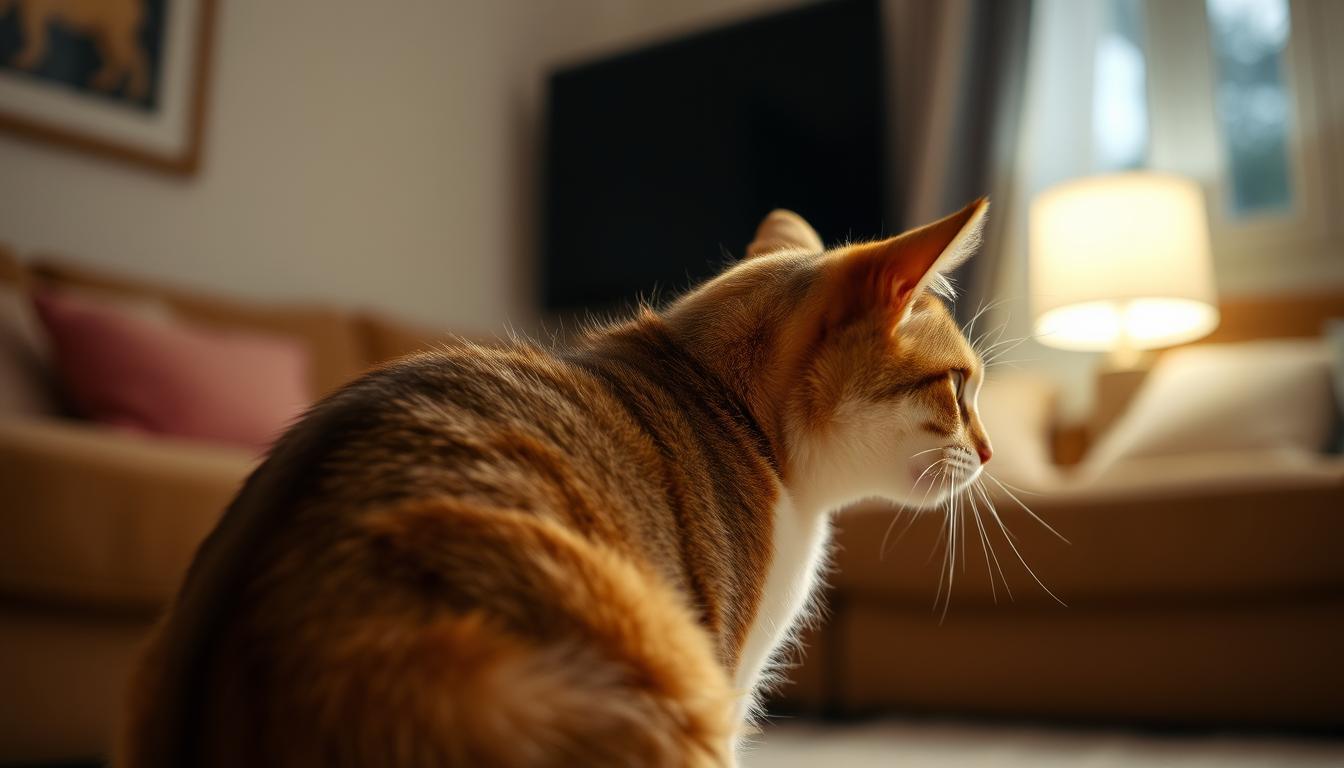
Did you know that feline hyperesthesia, also known as “twitch-skin syndrome” or “rippling skin disease,” affects cats? It causes dramatic skin twitching along their back, sudden grooming, and biting at their back, tail, or flank1. This behavior, often referred to as cat back twitching, can be puzzling for cat owners. While some twitching is normal, excessive twitching could indicate a health problem that requires veterinary care.
It’s essential to recognize the signs of feline hyperesthesia to receive the proper veterinary care promptly. This can greatly improve a cat’s life1. Cats with hyperesthesia may twitch, scratch, bite, and lick their back, tail, and legs2. They might also have other symptoms like a swishing tail, big pupils, salivation, and loud meowing2.
The exact cause of feline hyperesthesia remains a mystery. But it’s thought to be linked to the brain, genetics, and the environment1. Stress, health problems, and certain breeds may be more susceptible to it. A comprehensive check-up, including a review of your medical history and a physical examination, is crucial for identifying the cause and detecting other potential issues.
Principais conclusões
- Cat back twitching can be normal, but excessive twitching may indicate a health issue.
- Feline hyperesthesia causes skin twitching, grooming, and biting along the back, tail, and legs.
- Recognizing the signs of feline hyperesthesia is crucial for obtaining the proper veterinary care and enhancing a cat’s quality of life.
- The exact cause of feline hyperesthesia remains unknown, but it may involve interactions between the brain, genetics, and the environment.
- Comprehensive exams are vital for identifying the cause and ruling out other health problems.
What Is Cat Back Twitching?
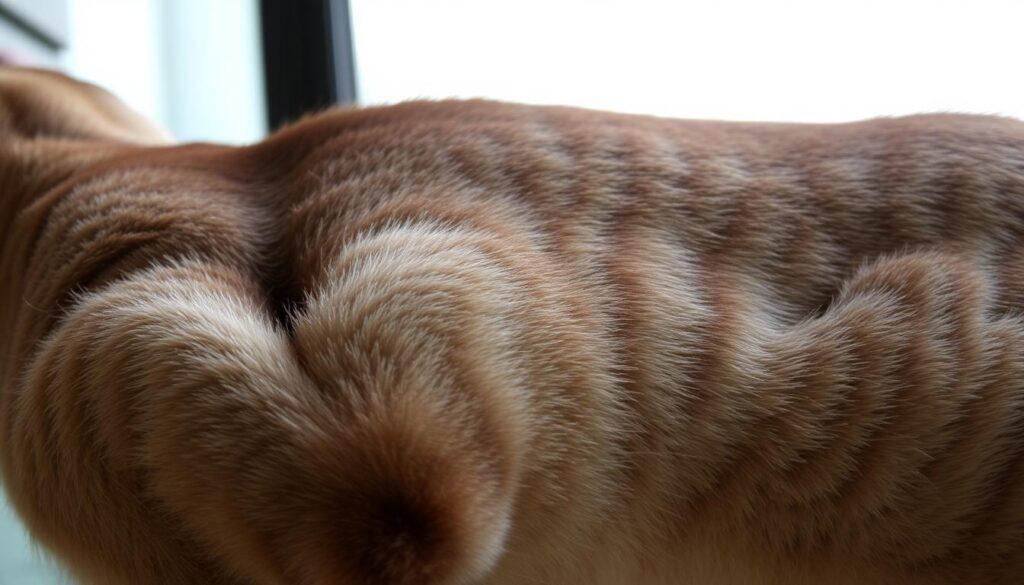
Cat back twitching, also known as feline hyperesthesia or rolling skin syndrome, is a condition where a cat’s back muscles contract involuntarily. This causes the skin to ripple. It can be confusing for cat owners, as it often happens suddenly without a clear reason. Recognizing the signs and symptoms of feline back twitching is crucial for identifying the issue and providing the appropriate care for your cat.
Defining Feline Back Twitching
Feline back twitching is when a cat’s back muscles have uncontrollable spasms. These spasms mainly affect the spine and lower back. The skin then ripples or twitches, often accompanied by other unusual behaviors. Feline Hyperesthesia Syndrome (FHS) exhibits symptoms such as skin rippling or twitching, particularly on the lower back, accompanied by biting and scratching.
While any cat can exhibit back twitching, it’s more common in Asian breeds, such as Siamese, Burmese, Abyssinian, and Persian.
Common Signs and Symptoms
When a cat has back twitching, you might see these signs:
- Rippling or twitching of the skin, especially on the lower back
- Dilated pupils and a startled expression
- Sudden bursts of frantic activity, such as jumping or running
- Excessive vocalization, including meowing or yowling
- Chasing or swatting at the tail
- Biting, licking, or scratching the lower back, sides, hind paws, or tail
- Sensitivity or discomfort when touched in the affected area
- Tiredness or lethargy following an episode
Cats with Feline Hyperesthesia Syndrome usually start showing symptoms between one and seven years old3. However, this condition can appear without a clear reason. Episodes can happen every few days or almost daily4. Identifying these signs is the first step in addressing your cat’s twitching and determining the cause.
Normal Feline Behavior and Back Twitching
Back twitching in cats can sometimes be concerning, but it’s often a normal behavior. Cats have a special muscle structure and are very sensitive to touch. This can lead to back twitches as part of their natural way of communicating and showing body language.
The Cutaneous Trunci Muscle
O cutaneous trunci muscle is a thin layer of muscle on a cat’s back. It extends from the shoulder blades to the base of the tail. This muscle is very sensitive and can twitch without warning, especially when touched, excited, or surprised.
When it twitches, the skin on the cat’s back may ripple or quiver. This is a normal reflex action.
Cats’ Sensitivity to Touch
Cats are very sensitive to touch, especially on their backs. This is because their skin has many nerve endings, and the cutaneous trunci muscle is very responsive. When a cat’s back is stroked or touched, it may twitch or ripple slightly. This is a natural response and usually not a cause for concern.
Communication Through Body Language
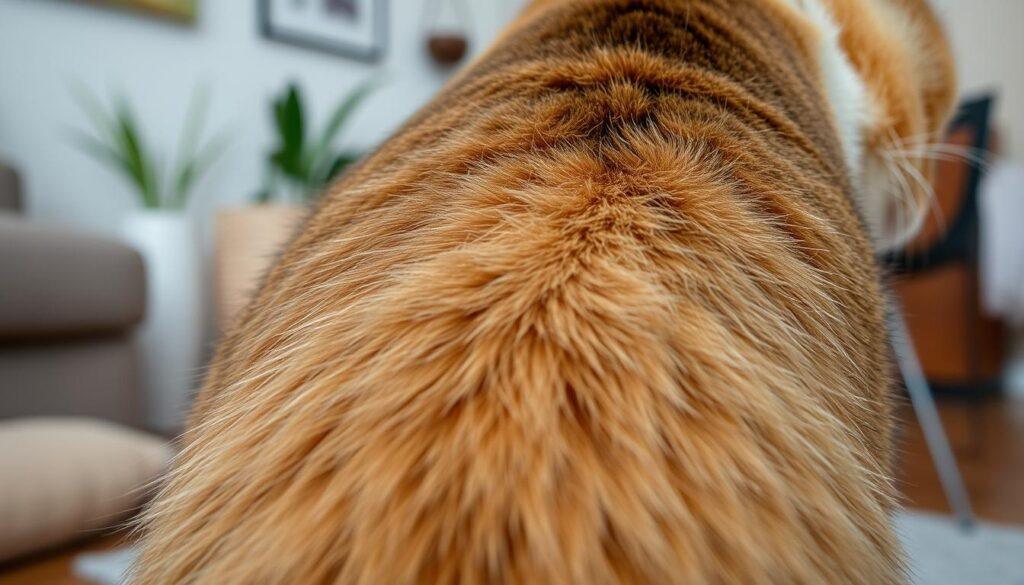
Back twitching can also be a form of communication for cats. They may twitch their backs to express emotions such as pleasure, excitement, or annoyance. For example, a cat enjoying being petted might twitch its back slightly, showing happiness.
On the other hand, if a cat is overstimulated or wants to stop an interaction, it might twitch its back more. This is a signal to stop.
| Type of Back Twitch | Descrição | Interpretation |
|---|---|---|
| Mild, occasional twitches | Gentle rippling or quivering of the skin along the back | Normal response to touch or stimuli, often indicating pleasure or contentment |
| Rapid, repetitive twitches | More intense and frequent muscle contractions | May signify overstimulation, excitement, or a desire to end an interaction |
| Localized twitches | Twitching focused on a specific area of the back or flanks | Could be a response to a particular stimulus or sensation in that area |
While occasional back twitching is regular, frequent or intense twitching may indicate a health issue. For example, feline hyperesthesia syndrome5 can cause intense scratching, biting, and licking of the back, tail, and rear legs. Other symptoms include dilated pupils, salivation, and frantic behavior5.
Potential Health Issues Causing Back Twitching
Back twitching in cats can sometimes be a normal behavior. However, if it occurs frequently or is severe, it may indicate a health issue. Many health issues can cause a cat’s back to twitch, ranging from minor problems to more serious ones that require veterinary attention.
Pain and Discomfort
Pain or discomfort is a big reason for back twitching in cats. Conditions such as arthritis, abscesses, or nerve damage can cause muscle spasms. Cats often hide when they’re in pain, so watching for changes in their behavior is key.
Skin Diseases and Allergies
Deeper skin diseases can also make a cat’s back twitch. Problems like flea allergy dermatitis can cause skin irritation. Allergies to food or grooming products can also cause skin issues and twitching.
Seizures and Neurological Disorders
Back twitching can sometimes indicate that a cat is experiencing a seizure or has a neurological disorder. Cats with epilepsy might twitch or stare blankly. Feline hyperesthesia syndrome, which affects the nervous system, is common in young cats. Certain breeds, such as the Burmese and Siamese, are more likely to develop it.
| Potential Health Issue | Sintomas |
|---|---|
| Pain and Discomfort | Muscle spasms, twitching, changes in behavior or movement |
| Skin Diseases e Allergies | Skin irritation, itching, involuntary muscle movements |
| Seizures e Neurological Disorders | Muscle twitching, spasms, vacant stare, rapid blinking |
If your cat’s back twitching doesn’t stop or gets worse, see a vet. They can examine your cat, perform tests, and determine the appropriate treatment. This will help your cat feel better and alleviate any health issues.
Feline Hyperesthesia Syndrome (FHS)
Feline hyperesthesia syndrome (FHS), also known as rolling skin disease ou twitchy cat syndrome, is a neurological disorder in cats. It causes frantic scratching, biting, or grooming of the back area. The skin in this area may ripple or roll8. FHS is rare, but Asian cat breeds like Siamese and Burmese are more likely to get it9. Breeds like Abyssinian, Burmese, Himalayan, and Siamese are at higher risk8.
The syndrome typically begins in cats after they reach maturity. Most cases start in cats between one and five years old89. Symptoms come in short episodes of one to two minutes8. These episodes can happen many times a day or week, often due to different triggers8.
Cats with FHS may exhibit signs such as skin twitching and excessive grooming. They might also chase their tail, vocalize, and rarely have seizures9. Other symptoms include dilated pupils, extreme sensitivity to touch, and erratic behavior. The exact cause is still unknown, but it might be related to nerve disorders or stress9.
The lack of pathophysiological knowledge makes diagnosing cats with feline hyperesthesia syndrome extremely complicated, as many of the behaviors associated with the syndrome resemble or are identical to behaviors observed in other feline health disorders8.
FHS is diagnosed by ruling out other illnesses9. Conditions like Flea Allergy Dermatitis can resemble FHS9. Treatments include behavioral changes, medicines, and alternative medicine8. The goal is to manage symptoms and improve the cat’s life, which may include medications and behavior modification strategies9.
While FHS can’t be cured, proper care can help cats live well9. With the right tratamento, cats can have a good quality of life8.
Diagnosing and Treating Cat Back Twitching
When a cat’s back twitches, finding the cause is key to effective treatment, many factors can contribute to this, including stress and health issues. Knowing what might cause it helps owners and vets find the right diagnosis and treatment.
Triggers and Risk Factors
Several things can make a cat’s back twitch. Feline hyperesthesia syndrome (FHS) often starts in cats aged 1 to 4 years10. Siamese, Burmese, Himalayans, and Abyssinians are most often affected10. Other possible causes include:
- Dermatological diseases like flea allergic dermatitis, causing intense itching11
- Neurological disorders tais como seizures or spinal cord issues like cauda equina syndrome1112,
- Toxin exposure to substances like permethrins, avermectins, amphetamines, and bromethalin11
- Psychological conditions, including anxiety, fear, excitement, or obsessive-compulsive disorder11
- Pain or injury leading to muscle tremors or shivering11
- Metabolic issues like hypoglycemia in diabetic cats or young kittens who haven’t eaten11
- Infections such as toxoplasmosis, tetanus, and feline infectious peritonitis (FIP)11
Diagnosis and Treatment Options
Diagnosing cat back twitching involves a detailed process. Veterinarians perform a comprehensive neurologic exam, blood work, spinal radiographs, and skin scrapings. Since there’s no specific test for FHS, diagnosis is based on patient history and ruling out other causes12.
Treatment for cat back twitching varies based on the cause and symptoms. Options include:
- Anti-seizure medications like phenobarbital or gabapentin for neurological issues1012,
- Behavioral medications such as Elavil or Prozac for psychological conditions12
- Corticosteroids or anti-anxiety drugs to manage stress response and reduce inflammation10
- Flea control products and anti-parasite medications to address flea infestation and itching1112,
- Environmental and behavioral modifications to minimize triggers and manage stress1012,
Removing environmental triggers can solve the problem10. Reducing stress can help, and some cats improve in a new home. But, stopping medication often leads to symptoms coming back, making treatment lifelong10.
There is no one-size-fits-all treatment for feline hyperesthesia syndrome, and finding the most effective approach may require trial and error. If there is minimal or no response to one medication, trying another may be necessary12.
Working with a vet and identifying triggers can lead to a tailored treatment plan. This improves a cat’s life and reduces the impact of twitching.
Quando procurar atendimento veterinário
As a cat owner, knowing your cat’s normal behavior and health is key. Sometimes, back twitching is just a normal reaction. However, persistent twitching or other signs require a vet’s check-up for the correct diagnosis and treatment.
Severe or Persistent Twitching
If your cat’s back twitching occurs frequently or is severe, you should consult a veterinarian. Twitching that lasts a few seconds to minutes may indicate a health problem. Your vet will examine you closely to determine the cause and suggest the best treatment.
Accompanying Symptoms
Watch for other signs that may indicate a more significant issue. These could be:
- Intense scratching, biting, or licking of the back, tail, and rear legs13
- Hair loss near the back and tail from too much grooming13
- Dilated pupils, salivation, uncontrollable urination, loud vocalizations, and frantic running13
- Extreme behavior changes and muscle twitches, possibly from rabies
- Itchy and irritated skin from fleas or mites, causing muscle twitching
If you notice these signs accompanied by twitching, please see your vet right away. These could include problems such as feline hyperesthesia syndrome, skin allergies, seizures, slipped discs, or pinched nerves.
Importância da intervenção precoce
Getting your cat to the vet early for twitching or other symptoms is vital. Early care helps get a quick diagnosis and treatment. This prevents the problem from worsening and improves your cat’s quality of life. Your vet might suggest medications, behavioral changes, stress reduction, and other treatments to help your cat.
Remember, your veterinarian is your go-to for concerns about your cat’s health and behavior. By telling your vet all about your cat’s symptoms and history, you help your cat get the best care. This keeps your cat healthy and happy.
Conclusão
It’s important to know why cats twitch their backs. Sometimes, it’s just a normal reaction. However, if it continues to happen, it may indicate a health issue.
Conditions such as pain, skin issues, allergies, seizures, and brain disorders can cause twitching. For example, feline hyperesthesia syndrome (FHS) can make cats very sensitive1617.
Knowing the signs of FHS is key. Look for sudden changes in grooming, skin reactions, loud meowing, and hyperactivity. Some cats, like Siamese, are more likely to get FHS1715.
Getting a proper diagnosis is crucial. It might involve blood tests, biopsies, and scans1617.
Treatment for twitching and FHS includes medication and modifying the cat’s environment. Knowing the causes and symptoms helps. Getting veterinary help early is vital for your cat’s health.
PERGUNTAS FREQUENTES
What is cat back twitching?
Cat back twitching is when a cat’s back muscles move on their own. This can occur due to a sensitive muscle layer on their back. It may twitch when it is touched or excited. However, it could also indicate a health issue.
What are the common signs and symptoms of feline back twitching?
You may notice the skin on a cat’s lower back moving or twitching. They could also have big pupils, jump around, or meow a lot. They might chase their tail, bite or lick their back, or seem tired when touched.
Is constant back twitching in cats a cause for concern?
Sometimes, a cat’s back twitching is a normal behavior. It’s because of a sensitive muscle layer. Cats also use body language, which can include small muscle movements. However, if it occurs frequently or is particularly strong, it may indicate a health issue.
What health issues can cause back twitching in cats?
Twitching can be caused by pain from conditions such as arthritis or nerve damage. It can also be caused by skin problems or even seizures. These issues can make a cat’s back muscles twitch or spasm.
What is feline hyperesthesia syndrome (FHS)?
Feline hyperesthesia syndrome, or FHS, is a condition characterized by excessive movement of a cat’s skin on their back. It can make them very sensitive to touch and cause them to bite or lick themselves a lot. They might also act strangely or have seizures.
How is a cat’s back twitching diagnosed and treated?
To determine the cause, a veterinarian will conduct tests and assess the cat’s behavior. Treatment depends on the cause of the twitching. It may include medication, adjusting the cat’s environment, or implementing specialized food and behavior plans.
When should I seek veterinary care for my cat’s back twitching?
If your cat’s back skin is twitching a lot or if they’re acting strangely, you should take them to the vet. Early treatment is crucial for identifying and addressing any health issues.
Links de origem
- Understanding and Treating Feline Hyperesthesia – Shawsheen Animal Hospital – https://shawsheenanimalhospital.com/understanding-and-treating-feline-hyperesthesia/
- What is Going on With Your Cat’s Abrupt Twitching? – https://petwellbeing.com/blogs/news/what-is-going-on-with-your-cats-abrupt-twitching?srsltid=AfmBOorgaV4naDz0B_m16_BfVJkQBifX95MDMth1PYmlwm2mvQxrnF-8
- The Truth Behind Rippling Skin in Cats – https://www.thesprucepets.com/rippling-skin-disorder-555056
- What Is Hyperesthesia in Cats? – https://www.webmd.com/pets/cats/what-is-hyperesthesia-in-cats
- What is Going on With Your Cat’s Abrupt Twitching? – https://petwellbeing.com/blogs/news/what-is-going-on-with-your-cats-abrupt-twitching?srsltid=AfmBOopRpIjT8HnJEjx0L66CmxLlK3EoPA-8XJTB51ixKadFmiswc63K
- Feline Hyperesthesia Syndrome | Quail Point Veterinary Hospital – https://qpvh.com/2022/11/15/feline-hyperesthesia-syndrome/
- Feline Hyperesthesia Syndrome: What You Need to Know in 2024 – https://archcreekanimalclinic.com/feline-hyperesthesia-syndrome/
- Feline hyperesthesia syndrome – https://en.wikipedia.org/wiki/Feline_hyperesthesia_syndrome
- Feline Hyperesthesia Syndrome – https://www.thesprucepets.com/feline-hyperesthesia-syndrome-5093921
- Feline Hyperesthesia Syndrome – The Cat Clinic – https://thecatclinic.com.au/faq/feline-hyperesthesia-syndrome/
- Tremors in Cats: Why Is My Cat Shaking? – https://www.petmd.com/cat/conditions/neurological/tremors-cats-why-my-cat-shaking
- When Touch Hurts: Feline Hyperesthesia Syndrome – https://www.vin.com/vetzinsight/default.aspx?pid=756&catId=5861&id=7262603
- What is Going on With Your Cat’s Abrupt Twitching? – https://petwellbeing.com/blogs/news/what-is-going-on-with-your-cats-abrupt-twitching?srsltid=AfmBOoq5Uo5CdqOyCFqz-8HJ9acJtyttOA91NenJL85vMDs6wgRFNrgC
- Feline Hyperesthesia Syndrome: Symptoms, Causes, and Treatment – https://www.catsluvus.com/cat-grooming/feline-hyperesthesia-syndrome-symptoms-causes-and-treatment/
- What Is Feline Hyperesthesia Syndrome? – https://www.litter-robot.com/blog/feline-hyperesthesia-syndrome/
- Feline Hyperesthesia Syndrome: Vet-Reviewed Signs, Treatment & FAQ – Catster – https://www.catster.com/cat-health-care/feline-hyperesthesia-syndrome/
