
Why Is My Cat Breathing Heavy? If you’ve noticed that your cat is breathing heavily, it’s essential to know why and when to consult a veterinarian. Cats typically do not pant like dogs, but they can pant in certain situations. It might be because my cat is breathing heavily due to stress, overheating, or excessive physical activity 1.
But if your cat is always breathing fast, it’s a sign of trouble. This is called tachypnea, meaning they breathe more than 30 times per minute. If your cat is experiencing difficulty breathing, making loud sounds, gagging, coughing, or panting excessively, contact your veterinarian immediately 2.
There are several reasons why a cat may experience breathing difficulties. It could be due to a cold, asthma, heartworm, fluid in the chest, or heart problems. These problems require prompt attention from a veterinarian and the proper treatment to help your cat feel better.
By watching your cat closely and getting them to the vet promptly, you can help them breathe more easily. This way, they can live a happy and healthy life.
Key Takeaways
- Occasional panting in cats may be normal, but persistent heavy breathing can indicate an underlying health issue.
- A healthy cat’s resting respiratory rate is between 20 and 30 breaths per minute.
- Signs of respiratory distress in cats include difficulty breathing, loud breathing, gagging, coughing, and panting.
- Common causes of abnormal breathing in cats include upper respiratory infections, asthma, heartworm, and heart failure.
- If your cat consistently breathes rapidly, consult your veterinarian for a proper diagnosis and treatment plan.
Normal Panting in Cats
While heavy panting in cats is less common than in dogs, it can still occur. In typical cases, cat panting is brief and subsides once the cat rests or cools down.
Overheating
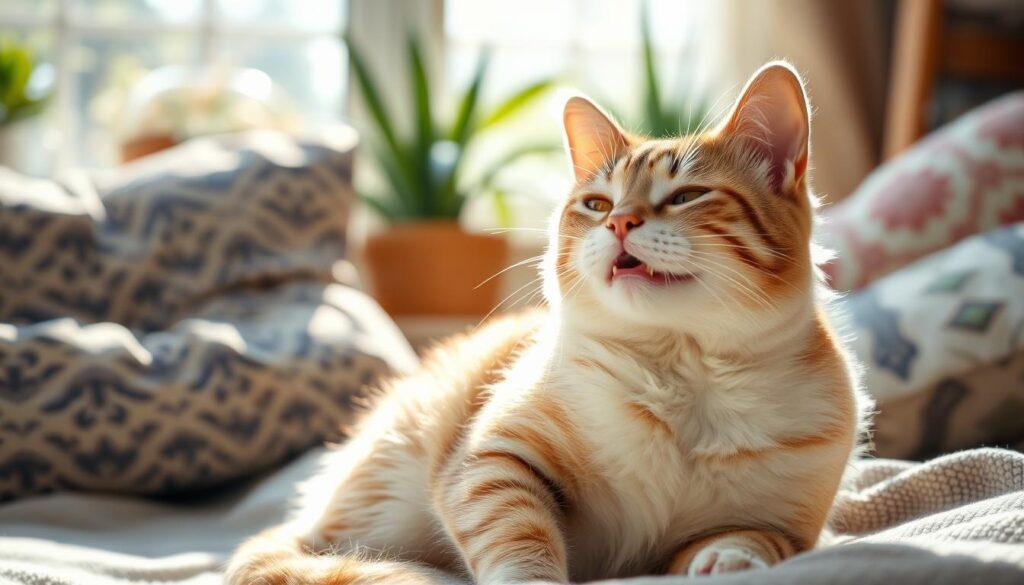
Cats may pant when they become overheated, especially in summer or warm environments. Panting helps them cool down. Approximately 0.6% of healthy cats pant when they become too hot or stressed 3.
Anxiety or Stress
Cats can also pant when they’re anxious or stressed. This may occur due to new locations, changes, or veterinary visits. Approximately 0.6% of healthy cats pant due to stress 3.
Strenuous Exercise
Some cats pant after strenuous exercise or play. It’s their way of cooling down and increasing oxygen intake. Approximately 0.6% of healthy cats pant after engaging in intense physical activity.
Remember, panting in cats is much rarer than in dogs 4. If you’re unsure why your cat is panting or if the panting persists, consult your veterinarian. They can check for any health problems.
“Panting in cats is not as common as it is in dogs, but there are times when it can be a normal behavior. However, if you’re unsure, it’s always best to check with your vet.”
| Situation | Percentage of Cats Affected |
|---|---|
| Overheating or Stress | 0.6% |
| Strenuous Exercise | 0.6% |
Note: If your cat’s panting doesn’t stop quickly or if they exhibit other signs, seek veterinary help promptly.
Common Causes of Abnormal Breathing in Cats
If your cat is breathing heavily or panting, it might be a sign of a serious health issue. This could be due to various reasons, such as respiratory infections or heart problems. It’s essential to recognize these signs early and take your cat to the vet promptly. This can help your cat recover faster or even save their life 5.
Upper Respiratory Infections (URI)
URI is a common cause of cats breathing hard or panting. Viruses, bacteria, or fungi can cause it, and it might require antibiotics. Signs include sneezing, nasal discharge, coughing, and shortness of breath. If left untreated, a URI can worsen and potentially develop into pneumonia.
Asthma
Asthma is a big problem for cats’ respiratory health. It makes the airways swell and narrow. Dr. Daniel Fletcher says asthma is one of the top reasons for breathing trouble in cats 6. Signs include heavy breathing, panting, wheezing, coughing, and rapid breathing. Asthma can worsen in warm weather, particularly when pollen levels are high. Treatment usually involves medications to open up the airways.
Heartworm
Heartworm is less common in cats, but it can still cause breathing issues. As the worms grow, they can damage the lungs and heart. Treatment includes supportive care and oxygen therapy in severe cases 5.
Hydrothorax & Congestive Heart Failure
Hydrothorax occurs when fluid accumulates around the lungs, leading to deep, rapid breathing and coughing. It’s often linked to heart failure, especially in older cats6. Pleural effusion, or fluid in the chest, is another cause of breathing trouble in cats6. Treatment may involve draining fluid from around the lungs.
If your cat is experiencing difficulty breathing, such as struggling to breathe or breathing rapidly, or exhibiting other signs, take them to the vet immediately. Dr. Fletcher warns against attempting to fix it at home because there are many possible causes. Quick treatment is key, as any cat showing breathing trouble is at high risk of dying if not treated fast 6.
My cat is breathing heavily.
If your cat is suddenly breathing fast, it might be a sign of a serious health issue. Healthy cats usually breathe 10-30 times a minute 8. If they’re breathing heavily, you might see their sides and chest moving fast. They might also breathe with their mouth open or pant.
Other signs of breathing trouble in cats include a lowered head and neck, coughing, and noisy breathing. They may also appear tired, sleep excessively, or lose their appetite. Heavy breathing in cats is less common than in dogs, but it still requires prompt veterinary care.
Many things can cause cats to breathe fast. Asthma can cause them to breathe heavily with their mouths open. Respiratory infections can also cause heavy breathing and may require antibiotics. Heartworm disease can be hazardous and even fatal if left untreated, leading to breathing problems.
It’s important to remember that abnormal panting behavior in cats is relatively rare compared to dogs10. If your cat is showing signs of heavy breathing or shortness of breath, seek urgent veterinary care.
Other severe conditions that can cause breathing problems in cats include:
- Hydrothorax, characterized by fluid accumulation in and around the lungs, causing deep, rapid breathing, coughing, and panting89
- Congestive heart failure, which can lead to quick, heavy breathing in cats 10
- Anemia, neurologic disorders, trauma, tumors, pulmonary edema, pleural effusion, pneumonia, allergies, airway obstruction, pain, stress, or shock89
Treatment for breathing issues in cats may include antibiotics, oxygen therapy, antihistamines, steroids, surgery, fluid drainage procedures, or acupuncture, depending on the cause 8. Getting your cat to the vet quickly ensures they receive proper treatment. This is key to their health and happiness.
Diagnosing the Cause of Heavy Breathing in Cats
If your cat is breathing heavily or panting, seek veterinary care immediately. Determining why your cat is breathing requires a detailed approach. This includes a complete check-up and different tests.
Physical Examination
Your vet will check your cat’s health and look for any signs of trouble. They’ll listen to your cat’s lungs and heart, count the breathing rate, and check the temperature. They might also look at your cat’s gums, eyes, and skin for signs of health issues. Cats can’t cool down the way humans do, so heavy breathing is a significant warning sign.
Diagnostic Tests
To determine why your cat is breathing hard, your veterinarian may recommend some diagnostic tests. These tests can detect infections, heart problems, or other conditions that may be causing breathing difficulties. Tests for cat panting include:
- Blood tests: These can show infections, anemia, or organ problems.
- Chest x-rays: X-rays can find lung issues, fluid, or tumors.
- Ultrasound: This test provides a detailed view of the heart and lungs, enabling detection of abnormalities or fluid accumulation.
- Urinalysis: This checks for urinary tract infections or kidney issues that might affect breathing.
Tests such as blood work, chest x-rays, ultrasounds, and urinalysis are key for diagnosing breathing issues in cats. Your vet might also suggest additional tests, such as heartworm or allergy tests, or a bronchoscopy to examine the airways. Common causes of abnormal breathing in cats include asthma, heartworm disease, hydrothorax & congestive heart failure, respiratory infections, and other conditions.
Quick and correct diagnosis is key to treating your cat’s breathing problems and improving their health.
| Diagnostic Test | Purpose |
|---|---|
| Blood Tests | Detect infections, anemia, or organ dysfunction |
| Chest X-rays | Identify lung abnormalities, fluid accumulation, or tumors |
| Ultrasound | Assess heart and lungs for structural abnormalities or fluid buildup |
| Urinalysis | Diagnose urinary tract infections or kidney issues |
By conducting a physical check-up and tests, your veterinarian can determine why your cat is breathing hard. They’ll then create a treatment plan. Early action and treatment are crucial for managing your cat’s breathing problems and maintaining their overall health.
Heavy Breathing in Cats: Causes and When to Worry
Common Causes of Heavy Breathing in Cats
Heavy breathing in cats can occur for various reasons. Some are harmless, while others may indicate serious health concerns. Normal causes include:
- Overheating
- Stress or anxiety
- Physical exertion
However, heavy breathing can also be a symptom of more severe conditions, such as:
- Respiratory infections
- Asthma
- Heartworm disease
- Heart conditions
- Pain or injury
- Anemia
- Ingestion of toxic substances
Normal vs. Abnormal Breathing Rates
A cat’s normal resting breathing rate is around 20-30 breaths per minute. If your cat’s breathing exceeds 30 breaths per minute while resting, it could signal a problem. Common medical causes include:
- Heart disease
- Chest infections
- Asthma14
Monitoring your cat’s breathing patterns can help detect potential health issues early.
When to Seek Veterinary Care
If your cat is panting or breathing heavily and also shows any of the following symptoms, seek immediate veterinary care:
- Extreme fatigue or lethargy
- Difficulty breathing14 or open-mouth breathing
- Loss of appetite
- Persistent coughing
- Fever
- Pale gums
- Signs of pain or discomfort
Conclusion
With the proper diagnosis and treatment, many breathing issues in cats can be effectively managed. Being observant and proactive about your cat’s respiratory health ensures they stay happy and healthy. If you notice any unusual or persistent heavy breathing, always consult a veterinarian to rule out severe conditions.
FAQ
Is it normal for cats to pant or breathe heavily?
Panting is more common in dogs than in cats. It may indicate that your cat is too hot, stressed, or has been very active. If your cat pants excessively or for an extended period, consult a veterinarian.
What are some common causes of abnormal breathing in cats?
Cats can breathe abnormally due to many reasons. These include colds, asthma, heartworm, fluid in the chest, and heart failure. If your cat is breathing hard, fast, or appears to be out of breath, seek veterinary help.
What should I do if my cat is suddenly breathing very fast?
If your cat starts breathing rapidly or appears distressed, seek veterinary help immediately. Fast breathing while resting can indicate a serious problem that requires prompt attention.
How will my vet diagnose the cause of my cat’s heavy breathing?
Your veterinarian will thoroughly examine your cat and may perform tests such as blood work and imaging. These help identify the cause of your cat’s breathing issues.
What are some signs that my cat’s heavy breathing may be a serious health concern?
Watch for signs such as breathing with their mouth open, panting, wheezing, coughing, and rapid breathing. Also, look for lethargy, blue gums, reluctance to move, loss of appetite, and rapid, labored breathing. If you see these, call your vet fast.
Source Links
- https://www.animalhospitalofclemmons.com/site/veterinary-pet-care-blog/2021/09/03/cat-panting – Animal Hospital of Clemmons
- https://www.animergevets.com/site/blog/2020/11/17/cat-breathing-fast – AnimERge
- https://www.northeast-vet.com/site/pet-care-blog-plains-vet/2020/12/04/cat-panting-breathing-heavily – Northeast Veterinary Referral Hospital
- https://www.greensboroncvet.com/site/friendly-animal-clinic-blog/2021/01/25/what-do-cat-panting-breathing-heavily – Friendly Animal Clinic
- https://www.gentledranimalhospital.com/site/blog/2024/01/15/heavy-breathing-cats – Gentle Doctor Animal Hospital
- https://www.vet.cornell.edu/departments-centers-and-institutes/cornell-feline-health-center/health-information/feline-health-topics/dyspnea-difficulty-breathing – Dyspnea (Difficulty Breathing)
- https://www.bocamidtownevet.com/cat-labored-breathing/ – Cat Labored Breathing? – Boca Midtowne Animal Hospital
- https://www.advancedcareanimalclinic.com/site/blog/2022/10/15/cat-breathing-fast – Advanced Care Animal Clinic
- https://www.johnscreekvet.com/site/blog/2021/08/30/heavy-breathing-cats – Johns Creek Veterinary Clinic
- https://www.brodheadsvillevet.com/site/blog/2023/05/15/why-is-my-cat-breathing-heavy – Brodheadsville Veterinary Clinic
- https://www.tracyvets.com/site/blog/2022/01/30/cat-breathing-heavy – Paws and Claws Veterinary Hospital
- https://www.petmd.com/cat/symptoms/heavy-breathing-cats – Heavy Breathing in Cats
- https://www.walkervillevet.com.au/blog/cat-breathing-fast/ – How To Tell If A Cat Is Struggling To Breathe | Walkerville Vet
