
Did you know that having more than 10 cats in a house can lead to a 100 percent increase in urine marking1? This highlights the importance of managing hyperactivity and stress in our cats. Kittens tend to be more energetic than older cats, with energy levels influenced by health, breed, and age2. However, most cats need more than just the same old toys daily to stay engaged. Learning how to calm down a hyper cat can help maintain a peaceful home environment and keep your feline friend content.3.
If your cat is acting too energetically, like shredding curtains or playing too much, they might need more challenging activities. Cats have a natural pattern of activities called the cat activity cycle. This cycle includes hunting, eating, grooming, and sleeping. By understanding this cycle and giving them the right play, you can calm your hyper cat and make your home peaceful.
In this article, we’ll share simple tips to manage your cat’s energy, reduce anxiety, and ensure your cat lives a happy, healthy life. We’ll talk about exciting toys, interactive play, and mental stimulation. These calming techniques for cats can turn your overactive pet into a calm and well-behaved friend.
Key Takeaways
- Understand your cat’s natural activity cycle and provide appropriate outlets for play
- Offer a variety of toys and rotate them regularly to keep your cat interested.
- Engage in interactive playtime to provide exercise and mental stimulation
- Create a harmonious home environment by addressing multi-cat household issues and reducing environmental stressors
- Recognize signs of overstimulation and learn how to redirect overexcited behavior
- Seek professional help from a veterinary behaviorist if necessary, and rule out underlying medical issues.
Understanding Your Cat’s Hyperactivity
To manage your cat’s hyperactivity, knowing why they act this way is key. Cats are naturally active, especially at night, due to their hunting instincts. But too much energy can mean they need something or have a health issue.
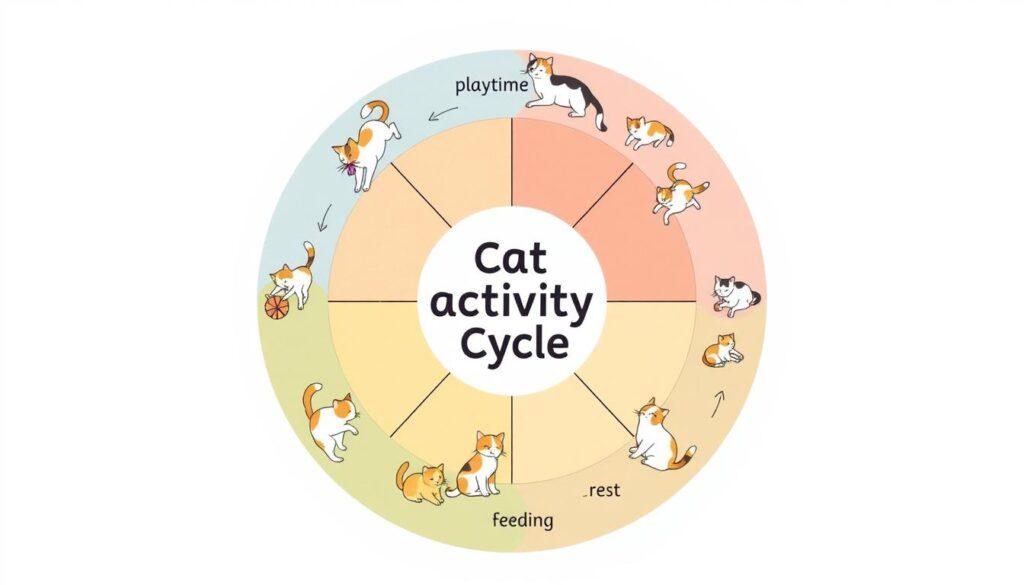
The Cat Activity Cycle
Cats follow a natural cycle of hunting, eating, grooming, and sleeping. This cycle is like our daily routines. Playing with your cat during the day can help them calm down at night.
The Cat Prey Sequence
The cat’s prey sequence includes staring, stalking, pouncing, biting, and eating. This is what they do in play. Toys that let them go through this sequence, like fishing-pole toys, help them burn energy.
About 1 in 5 cats are too active, darting around, and seeking attention5. Some breeds, like Bengals and Savannahs, require more playtime because of their high energy5.
Hyperactive cats may have health issues, such as hyperthyroidism, which affects 10% of older cats. If your cat’s hyperactivity is a problem, see a vet.
Knowing your cat’s natural cycle and prey sequence helps you meet their needs. This leads to a happier, calmer cat.
Providing Appropriate Outlets for Play
To keep your feline friend happy and healthy, it’s crucial to provide appropriate outlets for play. Many cats engage in destructive behaviors, such as jumping onto kitchen counters, excessive meowing, or scratching furniture, due to a lack of suitable activities at home7. By offering a variety of interactive toys and mental stimulation, you can redirect your cat’s energy and prevent behavioral issues.
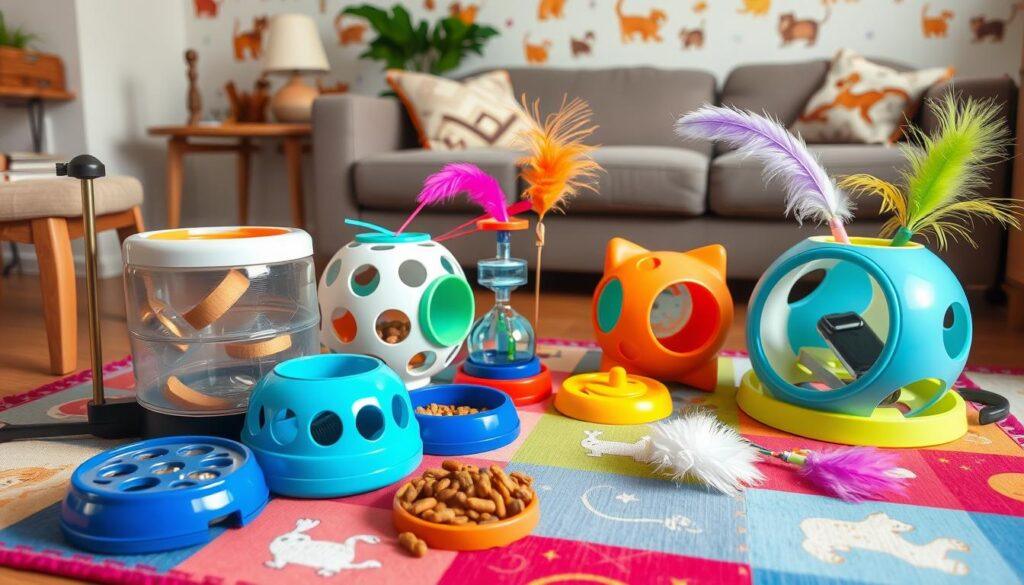
Tantalizing Toys
Cats thrive on novelty, so it’s essential to regularly rotate their toys to prevent boredom. Avoid leaving your cat with the same toys month after month7. Statistically, wiggling ropes, wands, dangling toys, and items thrown or rolled for cats to chase have been shown to be successful interactive toys. For solo play, consider toys such as ping-pong balls, walnuts, battery-operated and spring-mounted toys, scratching posts, and toys with hidden food to stimulate play and exploration.
Interactive Playtime
Engaging in active playtime with your cat, lasting the duration of a sitcom or movie, is highly beneficial7. Interactive play allows you to bond with your feline companion while providing them with the physical and mental stimulation they need. Encourage fun and avoid frustration by allowing your cat to “catch” and succeed during play. Finish each session by giving your cat a treat to signify the end of playtime.
You can also teach your cat tricks using food tidbits as rewards. Common tricks include teaching cats to sit, come, fetch, or shake a paw. This type of interactive play strengthens your bond and provides mental enrichment for your cat.
Mental Enrichment
In addition to interactive play, it’s important to provide your cat with opportunities for mental stimulation. Climbing towers and scratching posts are essential to prevent injuries in cats that often try to jump from heights indoors7. Providing alternative perches, such as window shelves, can help deter cats from jumping on countertops7.
Feeder toys that require movement to dispense food can help reduce destructive behaviors in cats7. These toys encourage your cat to work for their food, providing mental stimulation and redirecting their energy towards positive outlets. Puzzle feeders and treat dispensers are excellent options for solo play and mental enrichment.
| Toy Type | Benefits | Examples |
|---|---|---|
| Interactive Toys | Puzzle feeders, scratching posts, and catnip toys | Wands, laser pointers, feather teasers |
| Solo Play Toys | Physical exercise, mental stimulation, and preventing injuries | Independent play, mental enrichment, and redirecting energy |
| Climbing Structures | Physical exercise, mental stimulation, preventing injuries | Cat trees, window perches, wall shelves |
Creating a Harmonious Home Environment
Keeping a home peaceful and stress-free is key for cats and their owners. In homes with many cats, tackling behavioral issues and reducing stress is crucial. Understanding cats’ needs and finding ways to lessen stress can make a home a happy place for them.
Addressing Multi-Cat Household Issues
Cats, being solitary hunters, can feel stressed in homes with other cats or pets9. As more cats join a home, stress signs like urine marking grow. With 10 cats, the chance of urine marking jumps by 100 percent. Owners must address conflicts and provide each cat with what they need to live peacefully.
Playing and giving cats puzzles can help them relax. If a cat plays too much with you, getting another cat might help. They can play together and reduce stress10.
Reducing Environmental Stressors
Things around us can make cats stressed and hyperactive. Noisy homes can make cats stressed, too. Keeping it quiet, especially when it’s stressful, helps cats stay calm9.
Using synthetic pheromones like Feliway® can calm cats in stressful times9. Giving cats quiet spots helps them feel safe and less stressed9.
Watching a cat’s body language is important. If a cat looks away or tries to leave, respect their space. This keeps the home calm9.
| Strategy | Benefits |
|---|---|
| Increasing exercise and mental stimulation | Redirects excess energy, prevents stress-induced behaviors |
| Maintaining low noise levels | Promotes a calming environment, reduces stress |
| Using synthetic facial pheromones | Mimics natural pheromones and promotes a sense of calm |
| Providing visual privacy | Creates a sense of security and control, reduces stress |
| Paying attention to body language | Identifies signs of stress, helps maintain a calm environment |
By using these strategies and addressing feline behavioral issues, owners can make a peaceful home. With more play, puzzles, and ways to reduce stress, homes with many cats can be happy and peaceful for everyone.
How to Calm Down a Hyper Cat
Living with a hyper cat can be tough. But knowing the signs of cat overstimulation and how to redirect their behavior can make your home more peaceful. By understanding your cat’s needs and setting routines, you can manage their energy. This makes your cat happier and calmer.
Recognizing Signs of Overstimulation
Before cats bite or scratch, they show signs of being overstimulated. Look for signs like dilated pupils, purring, growling, and a vibrating tail3. Knowing these signs helps you stop playtime before it gets out of hand. Other signs include wide eyes, loud meowing, and a stiff tail.
Redirecting Overexcited Behavior
When your cat gets too excited, stop and move away calmly. Use wand toys or treats to redirect their energy3. You can also encourage them to play alone with toys or mental games. This reduces stress and overstimulation3.
“Stalking behaviors like pouncing on feet indicate a cat’s need for challenging activity and mental enrichment.”3
Establishing a Routine
Structure playtime to reduce unwanted behavior. Use toys that are safe for cats to help calm them down. This way, you’re having fun and helping your cat.
Certified animal behaviorist Jennie Lane says playtime should be short to avoid overstimulation1. Kittens and young cats need to play twice a day, while seniors need it once a day11.
| Age Group | Recommended Playtime |
|---|---|
| Kittens and Young Cats | At least two 5-10 minute sessions per day |
| Adult Cats | At least two 5-10 minute sessions per day |
| Senior Cats | One 5-10 minute session per day |
Every cat is different. Paying attention to your cat’s behavior helps you tailor your approach. This way, you can make your cat’s life more balanced and happy.
Seeking Professional Help
If your cat is too hyper and you can’t calm them down, it’s time to get help. A cat behaviorist or vet can offer great advice and solutions.
Consulting with a Veterinary Behaviorist
A vet behavior specialist can plan just for your cat. They look at your cat’s past, what makes them hyper, and more. This helps them understand why your cat is so active12.
Working with a specialist, you’ll learn how to manage your cat’s hyperactivity. They give you tools and techniques to help.
Ruling Out Medical Issues
Hyperactivity in cats can sometimes be due to health problems. Feline hyperthyroidism is a common cause, especially in older cats13. It makes cats more energetic, sleep less, and want to eat more.
Other health issues, such as pain, hormonal changes, and brain concerns, can also cause hyperactivity in older cats. If your cat is too active, see your vet. They can check your cat, do tests, and find the right treatment.
| Signs of Abnormal Hyperactivity | Possible Medical Causes |
|---|---|
| Excessive vocalization | Hyperthyroidism |
| Restlessness and pacing | Pain or discomfort |
| Increased appetite | Hormonal imbalances |
| Changes in sleep patterns | Cognitive dysfunction |
Getting help from a veterinary behavior specialist and checking for health issues is important. It helps your cat feel better and live happily in your home. Understanding your cat’s needs and working with experts is key to managing their hyperactivity.
Conclusion
Creating a happy cat household means knowing what your cat needs and providing ways for them to release energy. Cats usually calm down by 6 months old, with their energy levels dropping over the first year14. It’s normal for cats to be active, but too much can be a problem. To manage this, owners can use toys, playtime, and brain games14.
Setting a routine and fixing stressors like too many cats or loud storms helps a lot. You can make a quiet spot for your cat or use calming products like Feliway. Furthermore, regular vet visits are key to checking for health issues that might make cats hyper14. Animal behaviorists can help with behavioral concerns too.
To calm hyper cats and create a peaceful home, understand their instincts and provide appropriate outlets. Address any stress or health concerns. By following these tips, you can create a loving space for your cat, ensuring it is happy and balanced.
FAQ
How much playtime does my cat need?
Cats need different amounts of playtime based on their age and personality. Kittens and younger cats require more play than older cats. Giving your cat enough playtime, activities, and toys is important to keep them happy and healthy.
What should I do if my cat is being too energetic or destructive?
If your cat is too energetic or destructive, try redirecting its behavior by using the right toys or activities. For example, give them interactive toys, scratching posts, and puzzle feeders to keep their energy positive.
How can I create a routine that benefits both me and my cat?
Knowing your cat’s natural routine can help you create a schedule that works for both of you. Cats have a natural cycle of hunting, eating, grooming, and sleeping. By matching playtime and feeding to this cycle, you can create a peaceful home.
What are some signs that my cat is overstimulated during playtime?
Signs of overstimulation include wide eyes, purring, loud meowing, and growling. Furthermore, look for rippling fur, excessive rubbing, and a stiff tail. If you see these signs, stop playing and calmly move away, using a wand toy or treat to redirect.
How can I manage a multi-cat household to reduce stress and hyperactivity?
In multi-cat homes, give each cat enough space, resources, and attention to avoid stress and behavioral problems. Increase exercise and mental stimulation for each cat. Adding more cats can help if play is directed towards you or other cats. Make sure there are enough litter boxes, food and water bowls, and resting spots for each cat.
When should I consult a veterinarian or animal behaviorist about my cat’s hyperactivity?
If your cat’s hyperactivity is unusual or causing concerns, see your vet. They can check for medical issues like hyperthyroidism and offer advice on behavior. An animal behaviorist can also help, especially in homes with multiple cats.
Source Links
- 5 Ways to Calm Down a Crazy Cat – https://www.petmd.com/cat/behavior/5-ways-calm-down-crazy-cat
- How to Calm Your Hyper Cat: 9 Vet-Approved Tips – Catster – https://www.catster.com/cat-health-care/how-to-calm-your-hyper-cat/
- Behavior Challenges: Overexcited and Energetic Cat Tips – https://resources.sdhumane.org/Resource_Center/Behavior_and_Training/Cats_and_Kittens/Behavior_Challenges/Behavior_Challenges:_Overexcited_and_Energetic_Cat_Tips
- What Does a Hyperactive Kitten Look Like? And How Do I Calm Down My Kitten? – https://be.chewy.com/ways-to-calm-a-hyper-kitten/
- Destructive And Annoying Behaviors In Cats | Best Friends Veterinary Center – https://bestfriendsvet.com/library/destructive-and-annoying-behaviors-in-cats/
- How to Keep Your Cat Calm | The Cat Community – https://catfriendly.com/be-a-cat-friendly-caregiver/keep-cat-calm/
- How To Calm A Hyper Kitten | Fraserview Veterinary Hospital – https://fraserviewvet.ca/how-to-calm-a-hyper-kitten/
- How to Calm a Cat: Tips and Advice | Great Pet Care – https://www.greatpetcare.com/cat-behavior/how-to-calm-a-cat-tips-and-advice/
- How to Calm an Angry Cat: 7 Vet-Approved Steps & Tips – Catster – https://www.catster.com/cat-behavior/how-to-calm-an-angry-cat/
- Reasons Why Cats Act Crazy and How to Stop It – https://www.thesprucepets.com/crazy-cat-554821
- Managing Hyperactivity in Cats: Tips for Calming Energetic Feline Companions – https://www.catsluvus.com/cat-grooming/managing-hyperactivity-in-cats-tips-for-calming-energetic-feline-companions-2/