
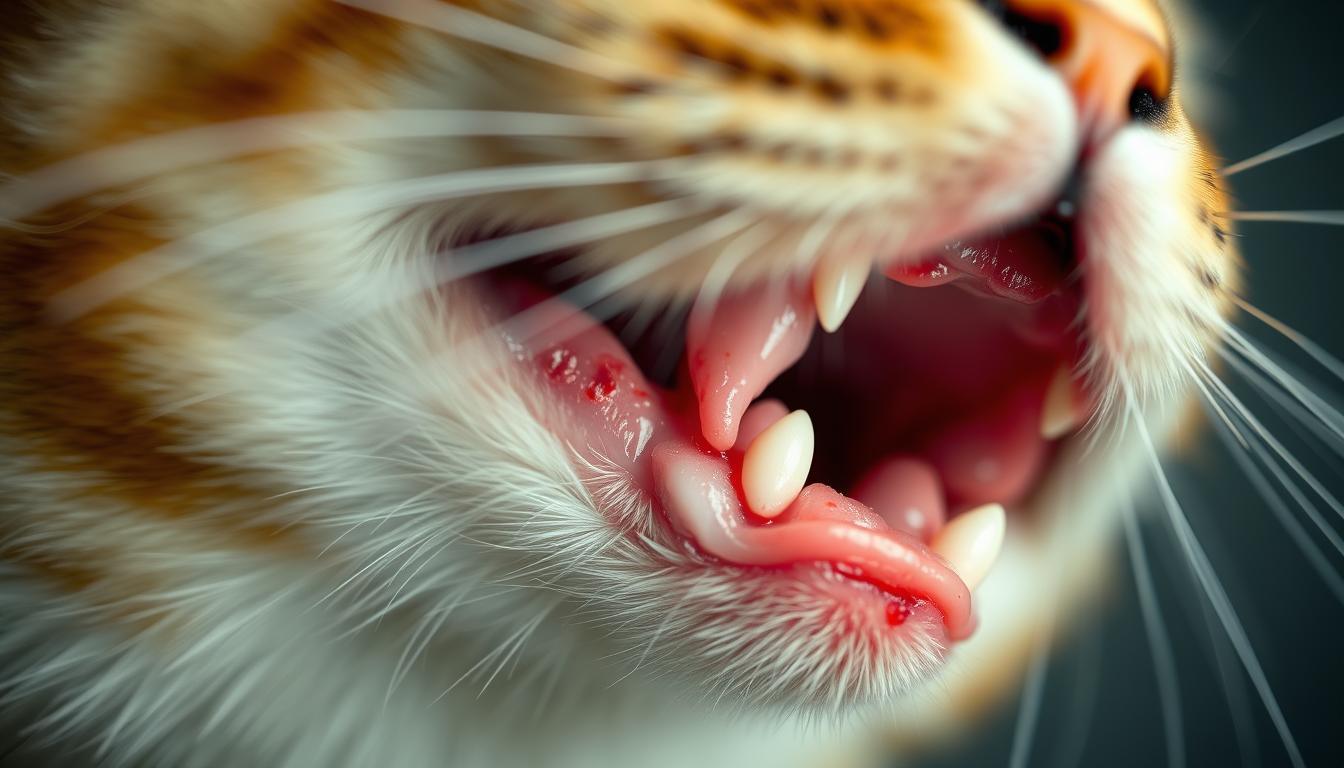
Pet owners often wonder if human illnesses like strep throat pose risks to their feline companions, specifically asking, “Can I give my cat strep throat?” While streptococcus bacteria are found in both species, the strains that affect humans and cats differ significantly. Research shows that feline streptococcal infections rarely involve Group A Streptococcus, the primary cause of “strep throat” in people.
Cats naturally carry microbes like Streptococcus canis in their bodies. These bacteria typically coexist harmlessly but may trigger infections under specific conditions. Factors such as age, chronic stress, or preexisting disease can weaken a cat’s immune defenses, allowing usually benign bacteria to become problematic.
Understanding these distinctions helps owners make informed decisions about pet care. While transmission of human-specific pathogens remains unlikely, recognizing symptoms such as lethargy or respiratory distress in cats is crucial. The following sections will explore diagnostic methods, treatment options, and preventive strategies for maintaining feline health.
Key Takeaways
- Human strep throat (Group A Streptococcus) rarely affects cats
- Felines naturally carry distinct streptococcal strains like S. canis
- Immune health significantly impacts infection development
- Kittens and senior cats face higher infection risks
- Proper hygiene reduces cross-species bacterial transmission
Understanding Streptococcal Infections in Cats
Both familiar and emerging bacterial strains cause streptococcal infections in cats. While Streptococcus canis typically lives harmlessly in the feline respiratory and urinary tracts, it can cause disease when the immune system weakens. Stressful environments, such as shelters or multi-pet homes, often trigger bacterial overgrowth.
Common Strains and Their Risks
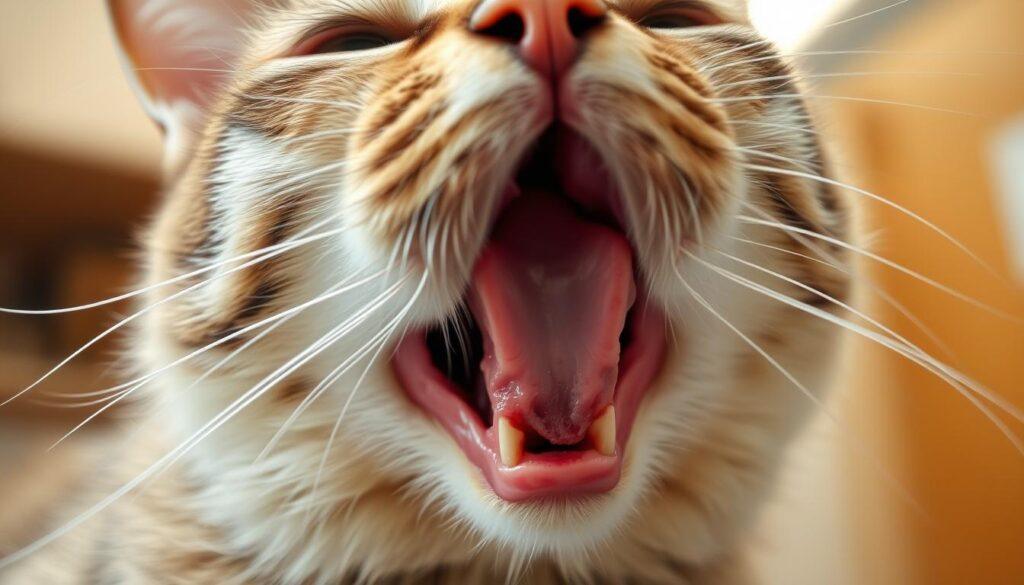
S. canis usually remains dormant, but it may lead to skin or ear infections. In contrast, S. zooepidemicus – traditionally found in horses – now causes severe respiratory issues in felines. This emerging strain spreads rapidly through shared spaces, increasing the risk of pneumonia.
| Bacterial Strain | Typical Host | Common Symptoms | Transmission Risk |
|---|---|---|---|
| S. canis | Cats | Mild skin issues | Low |
| S. zooepidemicus | Horses/Livestock | Respiratory distress | High in groups |
Identifying Active Infections
Watch for these signs indicating bacterial overgrowth:
- Labored breathing or nasal discharge
- Persistent fever above 102.5°F
- Reduced appetite lasting 24+ hours
Timely antibiotics effectively treat most cases when prescribed according to veterinary guidelines. Isolate affected pets in multi-cat households to prevent outbreaks.
Exploring the Question: Can I give my cat strep throat
While respiratory infections spread easily among humans, interspecies transmission patterns differ significantly. Human-specific pathogens, such as Group A Streptococcus, rarely adapt to infect other animals effectively. Research from the Journal of Veterinary Internal Medicine confirms:
“Zoonotic transmission of strep throat between humans and felines remains biologically improbable due to host-specific bacterial adaptations”
Disease Profiles Across Species
Human strep throat typically causes severe soreness and swollen lymph nodes. In contrast, feline streptococcal infections manifest through:
- Skin lesions rather than throat inflammation
- Upper respiratory congestion
- Reduced grooming habits
Veterinary diagnostics often reveal Streptococcus canis as the primary culprit in pets, unlike human-specific strains.
Addressing Transmission Myths
Despite rare case reports, current data show:
| Species Pair | Transmission Risk | Common Carriers |
|---|---|---|
| Human to Cat | 0.3% | Immunocompromised animals |
| Dog to Cat | 12% | Shelter environments |
Dogs appear more susceptible to cross-species bacterial exchanges than felines. Regular checkups with a trusted vet help distinguish common colds from bacterial infections in pets.
Maintaining animal health through balanced nutrition and stress reduction strengthens natural defenses. If respiratory symptoms persist beyond 48 hours, contact your veterinarian for targeted testing and treatment.
Recognizing Symptoms and Early Signs
Feline streptococcal infections often manifest through subtle changes in behavior and physical health. Early detection requires careful observation, especially in kittens and senior pets, where immune systems may struggle. Age plays a critical role – younger and older animals typically show more pronounced symptoms compared to healthy adults.
Common Feline Symptoms of Streptococcal Infections
Watch for these key indicators:
- Persistent fever (over 102.5°F)
- Thick yellow-green nasal discharge
- Painful skin abscesses near bite wounds or scratches
Respiratory distress often appears as rapid breathing or wheezing. In multi-pet homes with both dogs and cats, monitor interactions closely – cross-species play can sometimes spread bacteria. Kittens may develop crusty eye infections along with lethargy, while adults may show reduced appetite.
When to Contact Your Vet
Seek immediate care if symptoms last more than 48 hours or worsen suddenly. Skin abscesses require prompt drainage and antibiotics to prevent systemic spread. Follow veterinary guidelines for streptococcal infections to ensure proper treatment protocols.
Document symptom progression using a pet health journal. Note feeding patterns, energy levels, and any visible lesions. This information helps veterinarians make accurate diagnoses and tailor treatment plans based on your pet’s age and overall condition.
Managing Treatment and Recovery
Effective management of feline bacterial infections requires combining veterinary expertise with attentive home care. Treatment plans vary based on infection severity and affected body systems, with most cases resolving through consistent medical support.
Antibiotic Use and Medical Intervention
Veterinarians typically prescribe antibiotics like amoxicillin or clindamycin for 10-14 days. For upper respiratory issues, nebulization therapy helps clear nasal congestion. Severe cases may require subcutaneous fluids to combat dehydration.
Monitor for side effects like vomiting or diarrhea. Complete the full antibiotic course even if symptoms improve earlier. “Stopping medication prematurely risks antibiotic resistance,” warns Dr. Emily Carter from the American Veterinary Medical Association.
Home Care Strategies
Encourage hydration using pet water fountains or broth-infused water. Offer warmed wet food to stimulate appetite. Clean nasal discharge gently with saline wipes twice daily.
For urogenital infections, increase litter box cleaning frequency. Provide soft bedding in quiet recovery areas to reduce stress. Track temperature daily and report fluctuations exceeding 102°F.
Follow-up exams ensure the immune system rebounds properly. Bloodwork may verify infection clearance, especially in pets with preexisting conditions. Most animals show marked improvement within 72 hours of starting treatment.
Preventing Streptococcal Infections in Cats
Maintaining feline health requires proactive measures against bacterial threats. Strategic hygiene practices and environmental management significantly reduce infection risks, particularly in high-density living situations.
Sanitation Protocols for Group Environments
Multi-pet spaces demand rigorous cleaning routines. Key strategies include:
- Daily disinfection of food bowls and litter boxes
- Separate bedding for each animal
- Quarantine protocols for new arrivals
Shelters controlling pathogen spread report 40% fewer respiratory infection cases through isolation wards and staff training programs.
| Species Interaction | Transmission Risk | Preventive Action |
|---|---|---|
| Cats & Horses | Low but documented | Separate living areas |
| Cats & Dogs | Moderate | Supervised interactions |
Strengthening Natural Defenses
Chronic stress triples susceptibility to infection in felines. Effective stress-reduction methods include:
- Vertical climbing spaces
- Predictable feeding schedules
- Pheromone diffusers
Annual veterinary exams catch early warning signs. Bloodwork helps assess immune function, particularly in seniors or pets with pre-existing conditions. Pair these measures with nutrient-rich diets to create robust biological barriers against pathogens.
Conclusion
Feline health hinges on understanding species-specific bacterial risks. While streptococcal infections occur in cats, the strains differ from those that cause human throat infections. Early detection remains critical—symptoms such as respiratory distress or skin lesions may signal potential issues requiring veterinary attention.
Untreated infections may progress to severe complications, such as meningoencephalitis, underscoring the need for prompt care. Maintaining a healthy digestive tract and immune system helps felines naturally resist bacterial overgrowth.
This article’s guidance—from symptom recognition to prevention—forms a complete defense strategy. Each part works together to protect pets against harmful bacteria while minimizing cross-species transmission risks.
Always consult your veterinarian when you notice unusual symptoms. Responsible pet care combines informed observation with professional medical support, ensuring cats thrive despite microbial challenges in their environment.
FAQ
Can humans transmit streptococcal infections to cats?
While rare, certain streptococcal strains, such as S. pyogenes (common in humans), may spread to pets through close contact. However, cats are more likely to contract species-specific bacteria, such as S. canis. Always practice hygiene when handling sick animals.
What symptoms suggest a streptococcal infection in cats?
Watch for nasal discharge, lethargy, fever, or abscesses. Severe cases may involve difficulty breathing, coughing, or pneumonia. Urogenital infections and skin conditions are also possible. Contact a vet immediately if these signs appear.
How are streptococcal infections treated in felines?
Veterinarians typically prescribe antibiotics like amoxicillin or clindamycin. Supportive care includes hydration, pain management, and isolating infected pets. Severe cases may require hospitalization for intravenous fluids or oxygen therapy.
Are multi-cat environments riskier for bacterial infections?
Yes, shelters or crowded homes increase exposure risks. Stress weakens the immune system, making cats susceptible to pathogens such as S. zooepidemicus. Regular cleaning, vaccination, and minimizing overcrowding help prevent outbreaks.
Can kittens recover from streptococcal infections without treatment?
Untreated infections may lead to fatal complications like sepsis or meningoencephalitis. Kittens and senior cats face higher risks due to underdeveloped or weakened immune systems. Early veterinary intervention is critical for recovery.
How does S. canis differ from other feline bacterial infections?
A: Streptococcus canis primarily affects the respiratory tract, skin, and urogenital systems. Unlike zoonotic strains, it rarely spreads to humans. Diagnostic tests, such as cultures or PCR, help vets distinguish it from similar pathogens.