

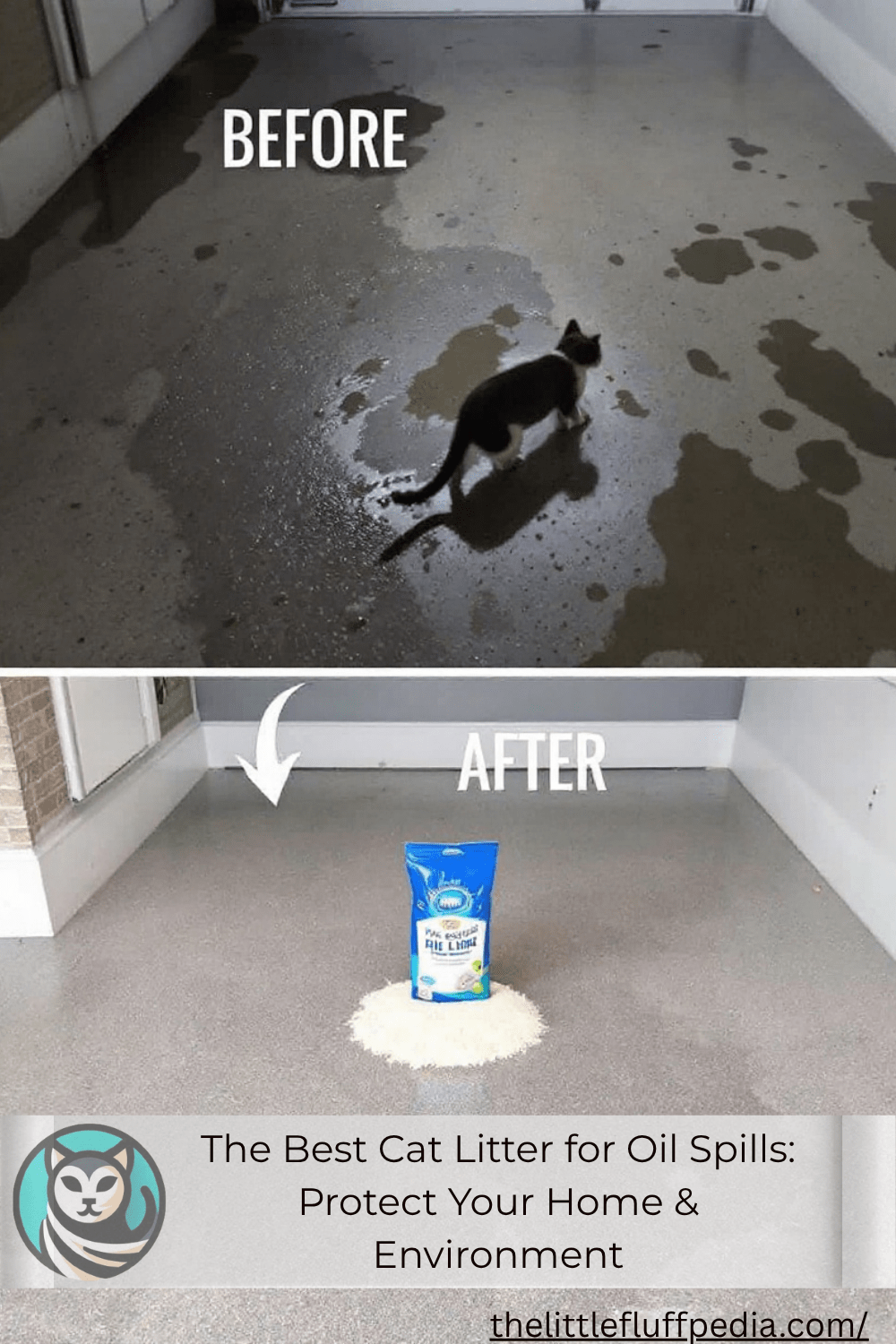
Did you know the same clay-based material used to clean industrial oil spills in the 1940s now fills millions of pet owners’ homes? Originally called Fuller’s Earth, this absorbent mineral was repurposed after World War II to tackle automotive leaks and factory accidents. Today, it’s widely recognized as the best cat litter for oil spills, and kitty litter is a household staple with surprising versatility.
This guide explores how traditional clay varieties, such as bentonite, became popular for absorbing slippery messes. While effective for small-scale garage spills, these products have limitations. Modern alternatives now offer stronger absorption and eco-friendly disposal options.
We’ll compare clumping vs. non-clumping types and analyze their porosity. You’ll learn why some litters leave gritty residues or require multiple applications. Safety tips for handling soaked material are also covered, including local regulations for contaminated waste.
Key Takeaways
- Kitty litter’s oil-absorbing roots trace back to industrial applications in the mid-20th century
- Clay-based options work for minor spills but struggle with larger or viscous fluids
- Environmental concerns arise from non-biodegradable clay and silica dust
- Specialized absorbents often outperform traditional litters in speed and capacity
- Proper disposal methods prevent soil and water contamination
Understanding Oil Spills and How Cat Litter Works
Granular substances used in homes today owe their effectiveness to microscopic structures formed millennia ago. These materials act like sponges for greasy substances through capillary action a process where liquids move through narrow spaces without external force.
How Kitty Litter Absorbs Oil
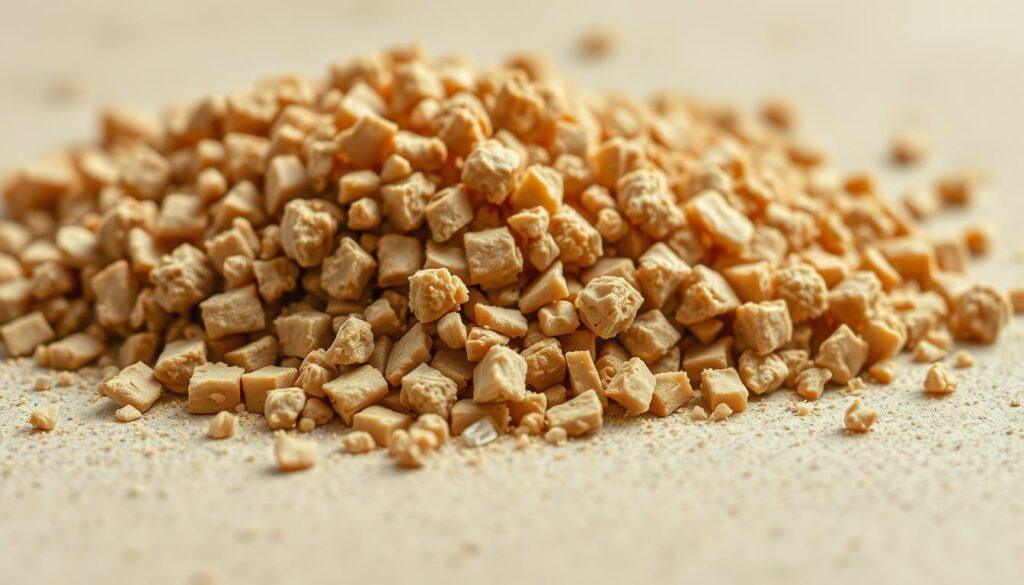
Bentonite clay, the primary component in traditional variants, contains layered sheets that expand when exposed to fluids. Its honeycomb-like structure traps hydrocarbons while repelling water. This makes it suitable for separating motor oil from rainwater in driveways.
However, rough surfaces, such as concrete, reduce effectiveness. The granules struggle to form tight seals on uneven terrain, allowing some oil to remain. One quart of motor oil typically requires 4-5 pounds of material for complete absorption a ratio demanding multiple applications.
Limitations of Clay-Based Litter in Oil Cleanup
After saturation, bentonite leaves a gritty layer containing unabsorbed residues. Pressure washing becomes necessary to remove these remnants, complicating DIY efforts. Environmental concerns also arise since spent clay isn’t biodegradable and may leach contaminants into soil.
Industrial studies show that clay-based absorbents retain only 60-70% of hydrocarbons compared to specialized cellulose products. Their dust particles also pose inhalation risks during application, requiring protective gear for safe handling.
Choosing the Best Cat Litter for Oil Spills: Tips and Alternatives
When addressing slippery messes, product choice directly impacts cleanup success and ecological safety. Three primary materials dominate the market, each with distinct advantages and drawbacks for hydrocarbon management.
Material Performance Comparison
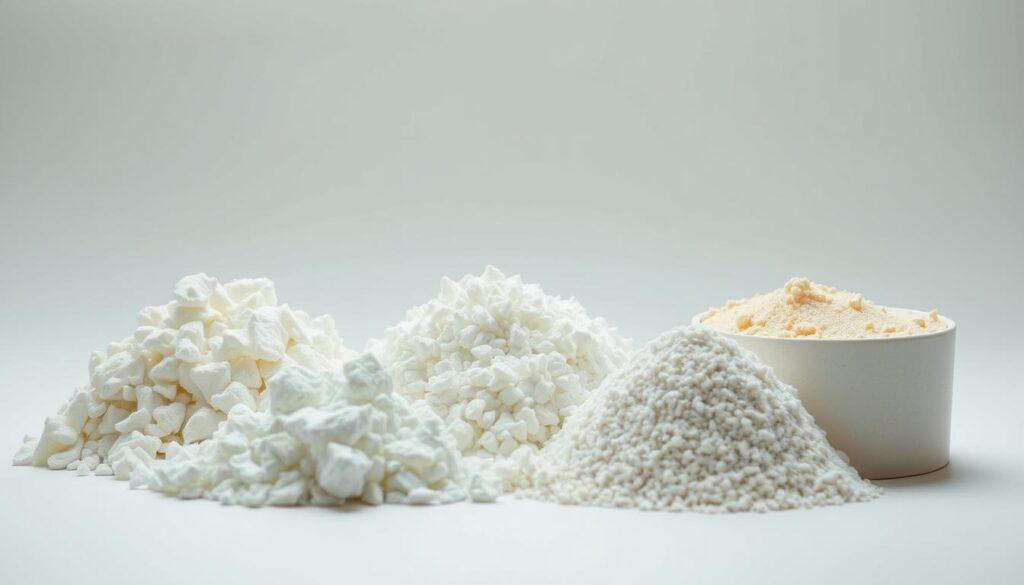
Clay variants remain popular due to affordability, absorbing 1.2 times their weight in hydrocarbons. However, silica gel crystals outperform them, soaking up 3x more fluids within minutes. Biodegradable options made from corn or walnut shells offer eco-conscious solutions but require frequent replacement.
| Material | Absorption Rate | Disposal Method | Cost per Use |
|---|---|---|---|
| Clay | Medium | Landfill | $0.25 |
| Silica Gel | High | Special Waste | $0.40 |
| Corn-Based | Low | Compost* | $0.35 |
Ecological Consequences
Mining bentonite clay disrupts topsoil and consumes 18 gallons of water per pound produced. Non-degradable silica particles persist in ecosystems for centuries, while oil-contaminated materials often become regulated waste requiring professional handling.
Practical Selection Guide
For garage drips, clay works adequately. Larger industrial spills demand silica’s rapid action. Outdoor areas benefit from plant-based products that break down naturally. Always check local regulations seven states classify oil-saturated absorbents as hazardous regardless of material type.
“Absorbent choice determines whether we’re solving one problem or creating another,” notes a 2023 environmental study on hydrocarbon remediation.
People managing household leaks should prioritize low-dust formulas to avoid respiratory issues. Corn-derived variants work best for small indoor accidents, combining moderate absorption with safer particles. Always store unused material in airtight containers to maintain effectiveness.
DIY Techniques for Effective Oil Spill Cleanup
Dealing with stubborn oil stains? A simple two-step approach using household materials can tackle fresh spills on driveways or garage floors. Let’s break down methods that balance practicality with environmental responsibility.
Step-by-Step Guide to Using Clay-Based Absorbents
- Contain the spill immediately using rags or barriers to prevent spreading
- Spread a ½-inch layer of non-clumping clay granules over the affected area
- Wait 24-48 hours for complete saturation darker spots indicate remaining oil
- Sweep up clumped material using a stiff broom and dustpan
Enhancing Absorption With Solvent Solutions
For older stains, many mechanics swear by this trick: apply Varsol solvent first. The liquid breaks down hardened oil, letting clay particles penetrate deeper. Use a nylon brush to work the solution into concrete pores for 2-3 minutes before adding absorbents.
Safety first: Always wear nitrile gloves and work in ventilated areas. Oil-soaked materials become considered hazardous waste in most states store them in sealed metal containers until disposal.
“I’ve cleaned 50+ engine leaks using dollar-store clay and paint thinner. Let it sit three days, and even decades-old stains lift right up.”
Test your method on a 6×6-inch area first. Some clay varieties leave residue requiring pressure washing. For eco-friendly alternatives, try ground corn cobs they absorb oil nearly as well as traditional options without the silica dust.
Exploring Innovative Oil Spill Solutions Beyond Kitty Litter
Recent advancements in spill management have introduced materials that outperform traditional methods while reducing ecological harm. Industries and homeowners now access specialized tools designed specifically for hydrocarbon cleanup.
Specialized Oil Absorbents Versus Traditional Litter
Products like oil dry powders absorb three times faster than standard clay variants. These engineered materials trap hydrocarbons in molecular cages, preventing seepage into concrete or soil. Unlike clay particles, they leave no gritty residue after removal.
| Material | Absorption Time | Residue Level | Reusability |
|---|---|---|---|
| Clay-Based | 24-48 hours | High | No |
| Oil Dry Powder | 15 minutes | None | Yes |
| Plant Fibers | 2 hours | Low | Compostable |
Many mechanics report using kitty litter requires 4x more products than modern alternatives. Industrial sites increasingly choose oil-dry solutions to meet EPA guidelines, as spent clay is often considered hazardous waste.
Eco-Friendly Alternatives for a Sustainable Cleanup
Ground corn cobs and coconut husks now offer biodegradable options for small leaks. These plant-based materials break down naturally within six months, unlike silica-based products that linger for centuries.
Baking soda mixtures work particularly well for garage floors, neutralizing odors while absorbing fluids. Municipalities in coastal regions increasingly mandate these options where litter considered non-degradable could harm ecosystems.
“Switching to hemp-based absorbents cut our disposal costs by 40%,” shares a California recycling plant manager. “They handle heavy oil better than traditional products.”
Always verify local regulations seven states classify oil dry materials as considered hazardous if mixed with engine fluids. For home use, ground corn products provide safe, effective alternatives that won’t work kitty litter’s environmental drawbacks.
Conclusion
Oil cleanup methods have evolved significantly since industrial workers first repurposed mineral powders for garage use. Traditional clay-based materials remain practical for minor leaks but face challenges with residue and environmental impact. Modern absorbents like silica gels and plant fibers now offer faster action while reducing ecological harm.
Corn cobs and coconut husks demonstrate how biodegradable options can manage spills without leaving lasting damage. Always check product bags for disposal instructions seven states require professional handling of oil-soaked materials. Protective gear minimizes dust exposure during application, a critical step often overlooked.
While specialized products outperform traditional solutions, keeping a bag of clay-based material makes sense for emergency fixes. Balance effectiveness with sustainability by choosing plant-derived variants where possible. Proper cleanup protects both workspaces and ecosystems, turning messy accidents into manageable tasks.
Follow local guidelines when discarding used absorbents, and explore innovations like hemp-based options for tougher jobs. Responsible practices ensure today’s solutions don’t become tomorrow’s environmental burdens.
FAQ
How does clay-based litter work on oil spills?
Clay particles trap oil through adsorption, creating clumps that lock in liquid. This makes it easier to sweep or scoop after application. However, clay can leave residue and isn’t ideal for large spills.
Why is silica gel sometimes better than clay for absorbing oil?
Silica gel absorbs liquids faster and holds more per pound compared to traditional clay. It also produces less dust, making cleanup smoother. Brands like Oil-Dry® use silica for industrial-grade absorption.
Can biodegradable options like corn cobs replace clay litter?
Ground corn cobs or walnut shells are eco-friendly alternatives. They absorb oil effectively and break down naturally, reducing landfill waste. However, they may cost more than standard clay products.
Is oil-soaked litter considered hazardous waste?
Yes. Once contaminated with oil, most clay or silica products must be treated as hazardous material. Check local EPA guidelines for disposal rules to avoid environmental penalties.
What’s the best way to apply litter to a fresh spill?
Spread a thick layer over the affected area, let it sit for 15–20 minutes, then sweep it up. For stubborn stains, scrubbing the litter into the surface improves absorption.
Does mixing solvents like Varsol® improve absorption?
Adding solvents can break down thick oil, letting litter penetrate deeper. However, this creates a chemical mixture requiring specialized disposal. Use only in well-ventilated areas.
Are there eco-friendly absorbents for oil cleanup?
Products like Meltdown® or Green Absorb use plant-based materials that decompose safely. These options minimize long-term environmental harm compared to synthetic alternatives.