

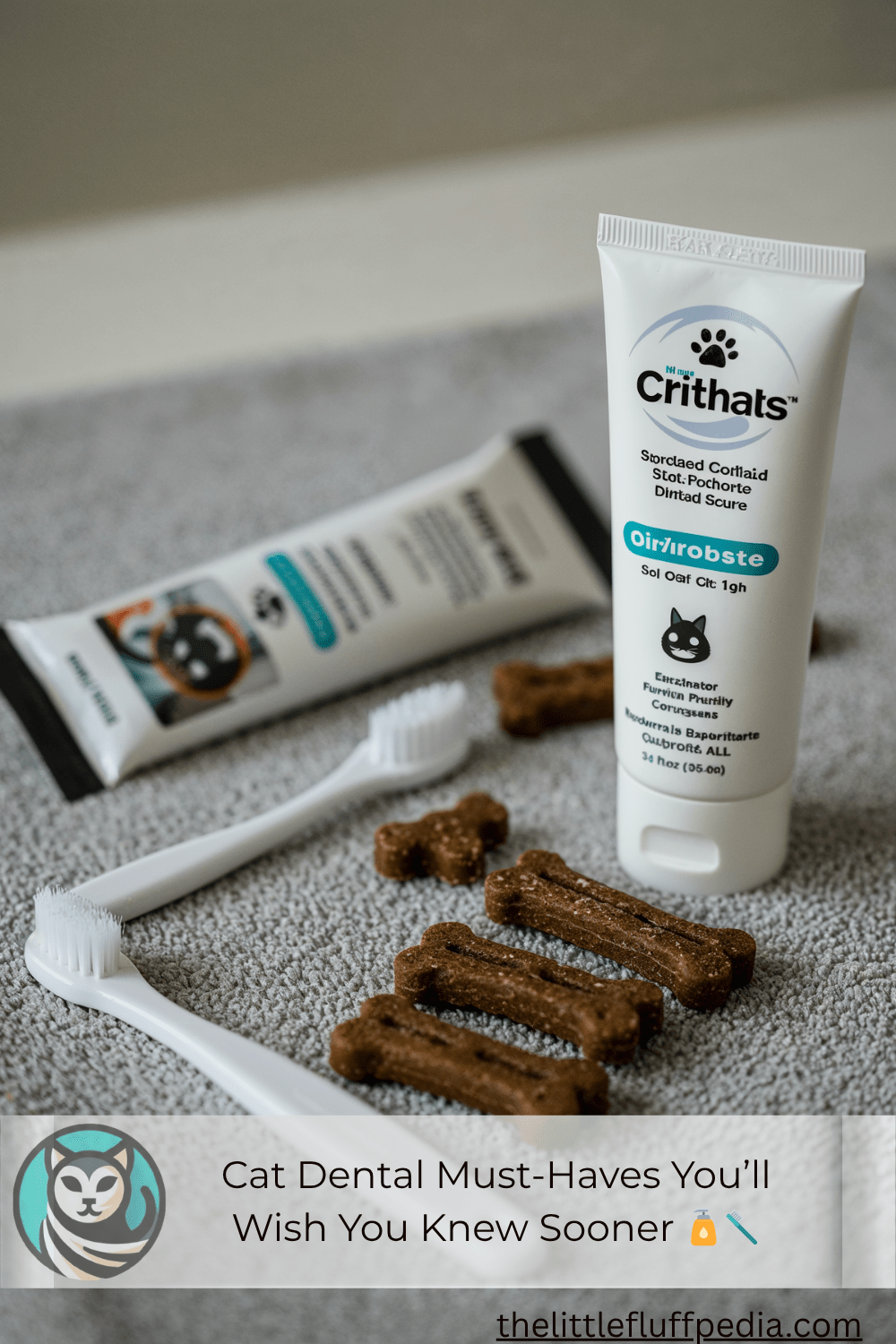
Did you know that over 70% of cats develop tooth and gum disease by the age of 31? Understanding how to clean a cat’s teeth is crucial for keeping your feline friend healthy. Dental issues can lead to serious illnesses and inflammation, so taking care of your cat’s teeth early can prevent pain and catch minor problems before they escalate.
Start a daily oral care routine early to avoid dental problems later. Introduce dental care to young cats to make them comfortable with teeth cleaning as they grow1. While brushing daily is ideal, brushing three times a week is a good start to remove plaque and prevent tartar buildup.
Approximately 50-80% of cats over the age of four have periodontal disease. Many cats face oral health issues like gingivitis and stomatitis because they don’t clean their teeth naturally3. If your cat doesn’t like tooth brushing, try dental chew toys, treats, or plaque remover additives in their water1.
It may take weeks or months for a cat to get used to brushing all their teeth at once. This shows the importance of being patient and consistent with dental care13. Look out for signs such as bad breath, bleeding gums, and a refusal to eat. These are reasons to see a vet1. If you’re worried about your cat’s teeth, talk to a vet for advice3.
Key Takeaways
- Start a daily oral care routine early to avoid dental problems
- Brush your cat’s teeth at least three times a week to remove plaque and prevent tartar buildup
- Consider alternative dental care options like dental chew toys, treats, or plaque remover additives if your cat resists tooth brushing
- Be patient and persistent when introducing a dental care routine, as it may take weeks to months for your cat to tolerate a full-mouth brushing
- Watch for signs of dental health issues and consult a veterinarian if you have any concerns about your cat’s oral health
Why Cat Dental Care is Important
Keeping your cat’s teeth clean is key to their health. Feline oral health issues can lead to bigger problems if ignored. Eight out of ten cats over three have teeth and gum problems4.
Dental disease can cause significant pain in cats, affecting their overall well-being and quality of life. By focusing on dental care, you can avoid these issues and keep your cat healthy and joyful.

Preventing Dental Disease and Systemic Illness
Periodontal disease is common in adult cats4. It can cause health problems similar to those in humans, including weakened immunity. Cats often face issues like tartar buildup, gum disease, and tooth damage.
Preventing periodontal disease is possible with good dental care4. Factors such as genetics and diet have a significant impact on dental health in cats. Annual dental cleanings at the vet are crucial for prevention4.
Many cats don’t receive dental cleanings twice a year, even though they are necessary. Cleanings under general anesthesia are recommended to prevent gum disease4.
Signs of Dental Problems in Cats
Cats often hide dental issues, making them hard to spot. Bad breath is a clear sign of severe gum disease that needs treatment4. Other signs include swollen gums, gum recession, loose teeth, and missing teeth.
Cat guardians often notice a big change in their cat’s behavior a week after dental care.
Tooth resorption is a common dental problem in cats, often needing tooth removal. Broken teeth can cause pain and infection, often from gum lesions. Cats can still eat well even with missing teeth due to their unique eating habits.
Brushing Your Cat’s Teeth at Home
Keeping your cat’s teeth clean is key to their health. Brushing their teeth at home is the best way to stop dental problems. It may seem challenging at first, but with patience and the proper steps, it can become easy for both you and your cat. A quick brush can remove plaque and stop tartar from forming6.
Choosing the Right Toothbrush and Toothpaste
Choose a soft-bristled toothbrush made for cats. These brushes fit well in your cat’s mouth. You can also try a finger brush, which might be less scary for your cat. Always choose toothpaste specifically designed for cats, as human toothpaste can be hazardous if ingested.
Training Your Cat to Accept Tooth Brushing
Start by slowly getting your cat used to tooth brushing. Begin by gently lifting their lips and rubbing their teeth and gums with your finger. As they get more comfortable, you can use a toothbrush and cat toothpaste. Brushing their teeth regularly from a young age helps them get used to it and prevents them from resisting6. Cats should start getting used to tooth brushing around six months old7.
Proper Brushing Technique
Here’s how to brush your cat’s teeth correctly:
- Put your cat in a comfy, safe spot.
- Open their mouth gently to see their teeth and gums.
- Use a cat toothbrush or fingerbrush with cat toothpaste.
- Brush in a circular motion along the gum line, focusing on the outside of the teeth.
- Brush for about a minute, moving quickly but calmly.
- Give your cat treats and praise after brushing.
It might take weeks for your cat to get used to having all their teeth brushed at once. Be patient and keep it up. Brushing daily or every other day is best, as plaque takes 48-72 hours to harden into tartar6.
The risks of tooth brushing are low, mainly because of your cat’s tolerance. Gradually getting them used to it and rewarding them can help avoid negative reactions6.
By incorporating these tooth-brushing steps into your pet’s care routine, you can help prevent dental issues. This includes plaque buildup that can lead to dental diseases7. Good dental care not only keeps your cat’s breath fresh but also boosts their overall health and happiness.
Recognizing and Addressing Bad Breath in Cats
Cat bad breath, or feline halitosis, is common among pets. Approximately 75 percent of cats over three years old have dental disease. Poor oral hygiene can lead to the accumulation of plaque and tartar on teeth. Dental diseases, such as gingivitis and tooth abscesses, can cause bad breath.
Signs of dental disease include brownish tartar, drooling, and difficulty eating8. Excessive drooling can mean oral discomfort or infection. Red, swollen gums are signs of gingivitis or periodontal disease, which can lead to bad breath.
Bad breath can also signal kidney disease, diabetes, or liver disease in cats8. Health issues like kidney disease and diabetes can cause bad breath. If your cat’s breath worsens, get a dental check-up to catch diseases early.
Plaque irritates gums, causing redness and swelling. Yellow or brown buildup on teeth is a sign of plaque and tartar, which can lead to bad breath, also known as halitosis. Cats often get gingivitis and stomatitis due to dental disease8.
“Bad breath in cats often signifies underlying health issues that require attention and proper dental care.” – Richmond SPCA
Brushing a cat’s teeth removes plaque and reduces gum inflammation8. Regular dental care is key to preventing plaque and tartar buildup. Training cats to accept tooth brushing can be done gradually8.
Feeding cats high-quality, crunchy kibble helps maintain oral health. Wet food or diets that don’t encourage chewing can lead to bacterial growth. Some cats prefer strong-smelling foods, which can cause bad breath.
Dental treats and chew toys can naturally reduce plaque and tartar. Royal Canin’s Dental Diet helps reduce tartar buildup and cleans teeth8. Oral health diets like Royal Canin’s dental range prevent tartar buildup on teeth8.
Regular veterinary check-ups are essential for monitoring dental health and addressing issues early. Understanding feline halitosis helps cat owners maintain their pet’s oral health and overall well-being.
The Importance of Annual Veterinary Checkups
Regular veterinary visits are key to maintaining your cat’s dental health. Veterinarians check for signs of dental disease, such as gum irritation and bad breath. Catching these problems early can prevent bigger issues later.
Cats often hide their pain, making dental problems hard to spot. About 60% of a cat’s teeth are hidden under the gumline. This is why tools like cone beam CT scans are used to find issues like tooth resorption early10. Tooth resorption affects over 50% of cats, underscoring its prevalence and the associated pain it causes.
Early Detection and Treatment of Dental Issues
Annual check-ups help find dental disease early. Early treatment can slow the progression of the disease and prevent the need for expensive tooth removals. Regular vets play a significant role in dental care, from identifying problems to teaching home care10.
Veterinary dental specialists undergo specialized training and pass rigorous exams to become certified. They handle complex dental cases and perform advanced procedures, such as root canals.
When to Schedule Your Cat’s First Dental Cleaning
Your veterinarian will advise you when it’s time for a dental cleaning, typically around 2 years old. These cleanings under anesthesia significantly reduce the risk of gum disease and tooth loss10.
Anesthesia is key to a thorough dental cleaning. Blood tests may be done before anesthesia to check organ function. An exam before cleaning helps decide what procedures are needed. Dental X-rays are also part of the cleaning visit.
Cats need annual dental procedures for a full exam, cleaning, and treatment. This shows how important regular dental care is for their health10.
Plaque and tartar begin to form quickly after a dental cleaning. Regular dental checkups and at-home care are essential for your cat’s dental health.
Dental Diets for Cats
Feeding your cat a special dental diet can significantly improve their oral health. Prescription cat dental food helps reduce plaque and tartar. This makes their teeth and gums healthier.
How Dental Diets Help Reduce Plaque and Tartar
Cat dental diets have bigger, rougher kibble. This encourages your cat to chew more, which helps remove plaque and tartar12. The kibble’s texture and shape also encourage your cat to chew for a longer period. This increases saliva, which naturally cleans their teeth.
These diets also have special ingredients for oral health. For example:
- Calcium and phosphorus for strong teeth and bones
- Antioxidants to boost the immune system and promote gum health
- Omega-3 fatty acids to reduce inflammation in the gums
Studies show that cats on dry diets have better oral health than those on wet diets13. The abrasive nature of dry food helps combat periodontal disease. This disease affects 70% of cats over two years old and 85% of cats over five13.
Choosing the Right Dental Diet for Your Cat
When picking a dental diet for your cat, consider these points:
- Look for the Veterinary Oral Health Council (VOHC) seal of approval. It means the diet has been proven to reduce plaque and tartar.
- Choose a diet that fits your cat’s life stage and health status.
- Ensure the diet provides complete and balanced nutrition.
- Begin the new diet gradually to minimize stomach upset.
Consult with your veterinarian to determine the best diet for your cat’s dental health. They can recommend a prescription cat food that meets your cat’s specific needs.
Remember, dental diets are great for oral health, but they should be part of a bigger dental care plan12.
| Age | Diet | Oral Health |
|---|---|---|
| Young to Adult | Dry | Better |
| Older | Wet | Poorer |
Dental Treats and Their Benefits
Dental treats for cats can help keep their teeth clean and breath fresh. They are tasty snacks that also fight plaque and dental diseases. These treats are a great addition to brushing and vet visits for oral health.
Dental treats often have enzymes that kill bacteria, reducing tartar on teeth14. Feline Greenies Dental Cat Treats are a popular choice among cat owners. They come in many flavors and help clean teeth and reduce tartar14. They also add vitamins and minerals for nutrition15.
Emerald Pet Feline Dental Treats are great for cats with sensitive stomachs or allergies. They have simple ingredients and are low in calories15. They come in various flavors and are suitable for cats with sensitive stomachs or allergies14.
Saliva helps fight dental bacteria when cats chew, keeping teeth clean15. Chewing dental treats can increase saliva, helping fight plaque and bacteria14.
Dental treats can also help eliminate bad breath in cats, which may be a sign of dental or gastrointestinal issues. Treats with chlorophyll can help freshen a cat’s breath if it has stomach problems. Prime Taste Treats Dental Choice in chicken flavor is tasty and helps keep teeth clean15. The same treat, available in chicken or tuna flavor, can also freshen breath and promote oral hygiene.
Remember, dental treats shouldn’t replace veterinary cleanings, but they can help keep teeth healthy. They work best in conjunction with regular brushing and vet visits for optimal oral health. Untreated bad breath can lead to heart disease, and chronic bad breath in cats may also contribute to the development of heart disease.
How to Clean Cats’ Teeth Using Dental Toys
Keeping your cat’s teeth clean is key to their health. Brushing their teeth is best, but some cats don’t like it. Cat dental toys can be a good alternative. They help keep teeth clean and healthy, along with dental treats and water additives.
Types of Dental Toys for Cats
There are many cat dental toys out there. They encourage chewing and gnawing to keep teeth clean and healthy. Some popular ones include:
- Chew toys with ridges or nubs to massage gums and scrape away plaque
- Dental balls with small bumps or bristles to clean teeth, as cats play
- Dental ropes or sticks infused with catnip to attract cats and promote chewing
- Interactive toys that dispense treats, encouraging cats to play and clean their teeth simultaneously
When selecting a dental toy, consider your cat’s size, chewing habits, and preferences. Ensure the toys are safe and non-toxic for your cat’s well-being.
Encouraging Your Cat to Use Dental Toys
Getting your cat to use dental toys might take some time and effort. Here are some tips to help:
- Select toys that cater to your cat’s instincts, such as those that mimic prey or feature interesting textures.
- Offer a variety of toys to keep your cat engaged and prevent boredom.
- Play with your cat using the dental toys to create a positive association and encourage them to chew on the toys independently.
- Reward your cat with treats or praise when they use their dental toys, reinforcing the behavior.
- Rotate the toys regularly to maintain your cat’s interest and ensure they continue to use them.
Dental toys can improve your cat’s life and support their dental health. By incorporating cat chew toys into their daily routine, you can reduce the risk of dental problems, such as tooth decay and gum disease. However, remember that dental toys should be part of a comprehensive oral care plan that includes regular vet visits and dental cleanings as needed.
| Dental Toy Type | Benefits | Considerations |
|---|---|---|
| Chew Toys with Ridges | Massages gums and scrapes plaque | Choose the appropriate size for your cat |
| Dental Balls | Cleans teeth during play | Ensure the ball is not small enough to be swallowed |
| Catnip-Infused Toys | Attracts cats and promotes chewing | Some cats may not respond to catnip |
| Interactive Treat Dispensers | Encourages play and teeth cleaning | Monitor treat consumption to prevent overfeeding |
Conclusion
Keeping your cat’s teeth clean is vital for their health. Dental issues are common in cats, particularly as they age. It’s essential to brush their teeth regularly, take them for yearly veterinary visits, and use dental diets and toys.
By following these steps, you can prevent painful dental problems. This ensures your cat’s teeth stay healthy for their whole life.
Preventing dental problems is key. Brushing your cat’s teeth two to three times a week can significantly reduce dental issues18. If brushing is difficult, try dental diets, treats, water additives, and chew toys approved by the Veterinary Oral Health Council (VOHC).
These options can help keep your cat’s teeth clean between vet visits.
It’s crucial to work with your vet to create a dental care plan for your cat. Regular vet visits help catch dental problems early. This prevents bigger issues later on1817.
As cats age, they might need professional dental cleanings. These are done under anesthesia to keep them calm and pain-free1817. By being proactive about your cat’s dental health, you can maintain their smile’s health and happiness for years.
FAQ
How common are dental problems in cats?
More than 70% of cats develop tooth and gum disease by the age of 3. Maintaining your cat’s dental health can help prevent pain and catch minor issues early.
What are some signs of dental problems in cats?
Signs include bad breath, sore gums, and loose teeth. Cats often hide pain, so watch for these signs closely.
What is the best way to clean my cat’s teeth at home?
Brushing is the best way to clean a cat’s teeth. Use a soft-bristle brush and cat-safe toothpaste. Start when your cat is young, but check with your vet first.
How can I get my cat used to having their teeth brushed?
Start by gently lifting their lips and massaging their teeth and gums. Gradually add a toothbrush and toothpaste. Move along the gum line calmly and stop if you notice they become upset. It may take weeks for them to get used to it.
What causes bad breath in cats?
Bad breath means “bad” bacteria are winning over “good” ones. This can lead to gum disease. If your cat’s breath smells bad, consider scheduling a dental checkup.
How often should I take my cat for dental checkups?
Take your cat in for a dental checkup every year. Vets can spot early signs of disease, and early treatment can prevent more serious problems.
Can dental diets help keep my cat’s teeth clean?
Yes, dental diets can reduce plaque and tartar. They’re designed to clean teeth with every bite. They also support overall health.
Are dental treats effective for cleaning a cat’s teeth?
Dental treats can help clean teeth by providing a crunchy surface. They reduce plaque and tartar. Treats like Greenies can even reduce tartar when fed twice a day.
What types of dental toys are suitable for cats?
Dental toys encourage chewing, which helps clean teeth and promote oral health. They’re a fun way to keep your cat’s mouth healthy. Chew toys, water additives, or dental treats can be alternatives to brushing.
What should I do if brushing my cat’s teeth is too complicated?
Try dental diets, treats, water additives, or chew toys if brushing is hard. Work with your vet to find a dental care plan. Start a daily routine early to maintain their teeth’s health.
Source Links
- Ferguson Animal Hospital – https://www.fergusonanimalhospital.com/site/blog/2023/03/30/cat-teeth-cleaning-how-to-clean-cats-teeth
- 10 Tips for Cleaning Your Cat’s Teeth | CareCredit – https://www.carecredit.com/well-u/pet-care/10-clean-cat-teeth-tips/
- Guide to cat dental care | RSPCA Pet Insurance – https://www.rspcapetinsurance.org.au/pet-care/cat-care/guide-to-cat-dental-care
- How to Brush Your Cat’s Teeth (It’s Easier Than You Think) – https://be.chewy.com/brush-cat-teeth-healthy-pet/
- No title found – https://www.cats.org.uk/cats-blog/should-i-clean-my-cats-teeth
- What causes bad breath in cats | Royal Canin – https://www.royalcanin.com/rs/cats/health-and-wellbeing/what-causes-bad-breath-in-cats
- The Importance of Annual Cat Dental Cleanings | Your Pet Dentist – https://yourpetdentist.com/annual-cat-dental-cleanings/
- Supporting Oral Health: Dental Care for Cats – Mud Bay – https://blog.mudbay.com/dental-health-for-cats/supporting-oral-health-dental-care-for-cats/
- The Choice of Diet Affects the Oral Health of the Domestic Cat – https://www.ncbi.nlm.nih.gov/pmc/articles/PMC4494333/
- Providence Animal Hospital – https://www.charlotte.providencevets.com/site/blog/2020/07/24/dental-treats-cats
- LakeCross Veterinary Hospital – https://www.lakecross.com/site/blog-huntersville-vet/2020/08/12/are-cat-dental-treats-worth-it
- How To Clean Your Cat’s Teeth (and Keep Them Clean!) – https://www.thehonestkitchen.com/blogs/pet-wellness/7-tips-maintaining-cats-teeth
- How to Take Care of Your Cat’s Teeth: 8 Vet-Verified Tips – Catster – https://www.catster.com/cat-health-care/how-to-take-care-of-cats-teeth/
- Pros & Cons of Cleaning Your Cat’s Teeth (With Price Guide) – Catster – https://www.catster.com/lifestyle/pros-cons-cleaning-cats-teeth/

