
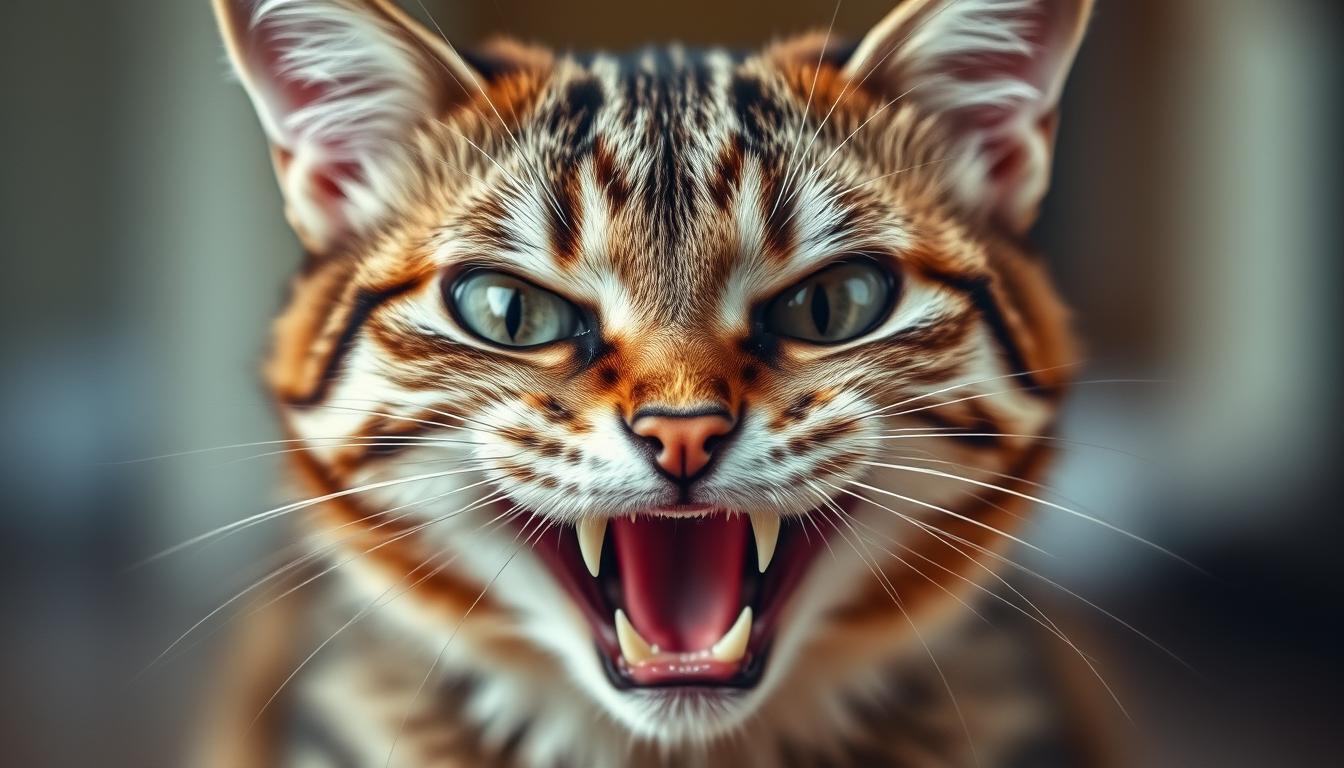
Did you know that a cat may open its mouth when stressed or anxious1? As a cat owner, it’s key to recognize and address feline stress signs for your pet’s well-being. Cats often open their mouths to taste the air and gather information about their surroundings2. However, if they do this excessively, it could indicate stress, as a cat opens its mouth when stressed1.
Stress in cats can come from many things, like changes in their home, loud sounds, new pets or people, and health problems1. Knowing why cats act this way is vital to help them deal with stress and stay healthy. By spotting stressors and making a calm space, like a cozy Desk Cat Nest, you can make your cat feel safer and less anxious1.
If your cat’s open-mouth breathing doesn’t get better or gets worse, it might be a sign of a serious issue2. Panting and mouth opening a lot in cats could mean they’re stressed or have a health problem that needs a vet’s help2. By understanding your cat’s actions and meeting their needs, you can help them manage stress and live a happy, healthy life.
Key Takeaways
- Open-mouth breathing in cats can be a sign of stress, anxiety, or underlying health issues
- Identifying feline stress signs, such as excessive grooming or hiding, is crucial for cat stress management
- Creating a stress-free environment and providing a safe space, like a Desk Cat Nest, can help reduce cat anxiety
- Persistent or worsening open-mouth breathing may require veterinary attention
- Understanding your cat’s behavior and addressing their needs is essential for their overall well-being
What Does It Mean When a Cat Opens Its Mouth When Stressed?
Open-mouth breathing, also known as cat panting, is when cats breathe fast with their mouths open. Cats might pant or breathe with their mouths open sometimes. It’s important to know when it’s normal and when it’s not.
Defining Feline Open-Mouth Breathing
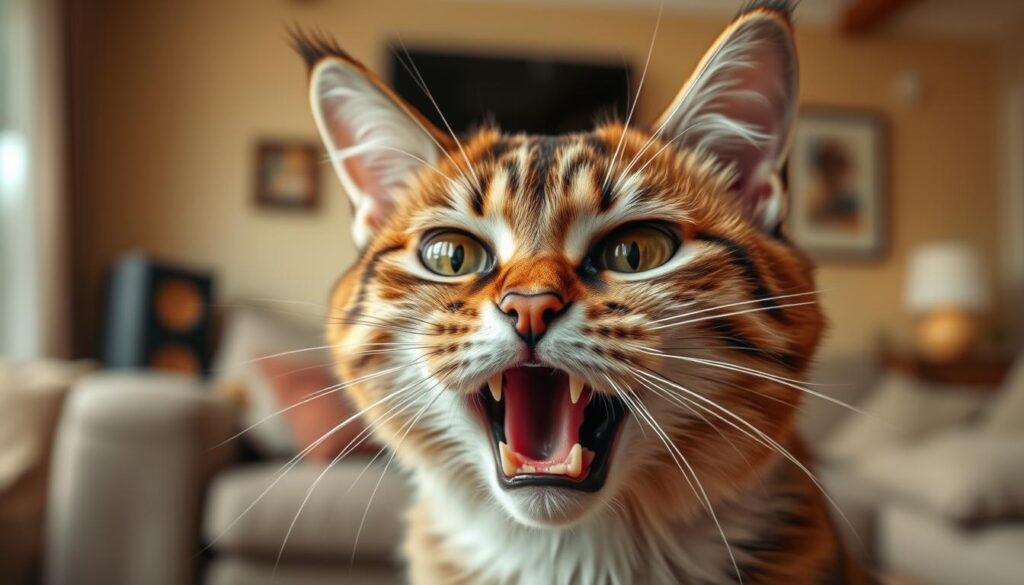
Feline open-mouth breathing, also known as cat panting, occurs when cats breathe rapidly with their mouths open. This is different from how dogs pant. At rest, cats usually breathe 30 times or fewer per minute.
Reasons for open-mouth breathing in cats include stress, exercise, and trying to cool down. It can also happen when they smell something interesting.
Some panting in cats is normal, especially after exercise or if they’re hot. But if it lasts too long, it’s a sign of trouble.
Normal vs. Abnormal Open-Mouth Breathing
It’s crucial to distinguish between normal and abnormal open-mouth breathing in cats. If panting doesn’t stop, you should see a vet. Abnormal breathing can mean a cat is very sick and needs urgent care.
Abnormal breathing might show up as pale gums or hard breathing. These are serious signs. Other signs include trouble breathing, coughing, and a stretched neck.
| Condition | Age of Onset | Symptoms |
|---|---|---|
| Asthma | 2-7 years4 | Open-mouth breathing can improve with steroid treatment |
| Lung Cancer | Varies | Open-mouth breathing, rapid breathing, coughing up blood, low energy, poor appetite, weight loss, frequent fever4 |
| Pulmonary Edema | Varies | Open-mouth breathing, shortness of breath, dry cough, wheezing, lethargy, exercise intolerance, loss of appetite, fluid retention in lungs4 |
Cats with abnormal breathing may need tests to determine the cause. How well they do depends on the cause and treatment. Problems like fluid buildup, tumors, infections, and asthma can cause it.
Seizures in cats can cause them to appear scared or confused. They might fall over, drool a lot, make strange sounds, and breathe with their mouths open4.
If you see your cat panting a lot or in a strange way, get vet help. They can find out why and help your cat feel better.
Reasons Why Cats Open Their Mouths When Stressed
Cats are complex creatures, and their behavior can sometimes be puzzling to their owners. One such behavior is when a cat opens its mouth and starts panting, which is not a typical feline trait. While cats usually breathe through their nose with their mouths closed, they may resort to open-mouth breathing when they need more oxygen due to exertion or illness, breathing faster with their mouths open5. Understanding the reasons behind this behavior is crucial for ensuring your cat’s well-being and preventing stress in their environment.
Stress and Anxiety as Triggers
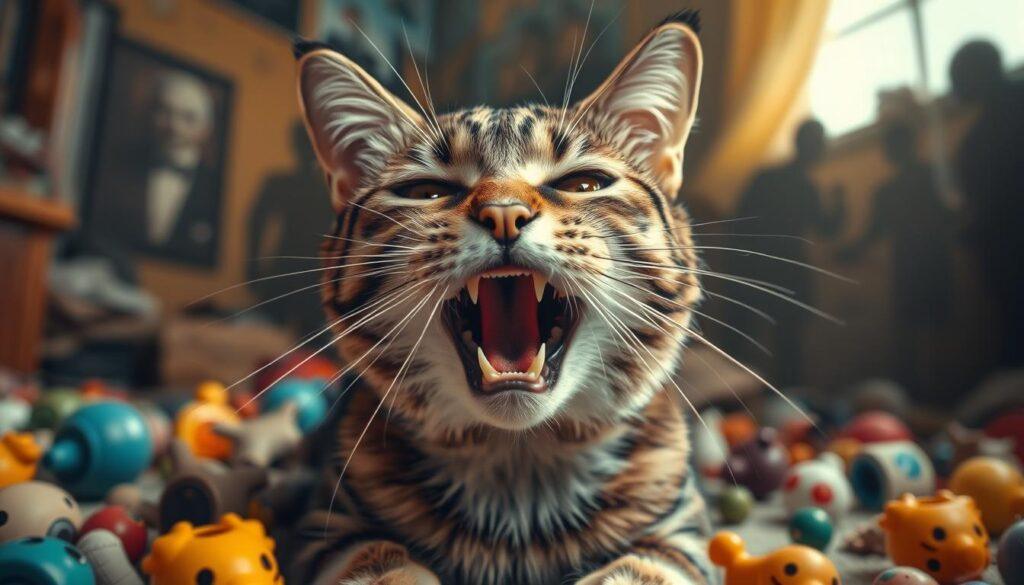
One of the primary reasons cats open their mouths when stressed is to express their distress. Cats are highly sensitive to changes in their environment, and various stressors can trigger anxiety and open-mouth breathing. These stressors may include loud noises, unfamiliar people or animals, changes in routine, or traveling. If your cat is panting in a stressful situation, it is best to limit their exposure to the triggering event or thing to prevent further stress5.
Overheating and Panting
Unlike dogs, cats do not typically pant to regulate their body temperature. However, in some cases, cats may start panting when they exert themselves or become overexcited during play, which is more common in kittens. Because cats do not sweat, they will pant to help cool down when their body temperature rises or their heart rate increases5. Panting can also be a sign of heat-related issues, especially if the ambient temperature is warm5.
Underlying Health Issues
In some cases, open-mouth breathing in cats can indicate an underlying health problem. Many conditions could bring on a bout of sudden, labored panting, and cats are notorious for hiding illness until they are very unwell. Serious medical conditions that can cause respiratory distress and panting in cats include:
- Respiratory diseases, such as asthma or bronchitis5
- Injury to the lungs or chest5
- Heart disease5
- Feline Infectious Peritonitis (FIP)5
- Hyperthyroidism5
- Pneumonia
- Pleural effusion
- Cancer
- Infectious diseases
- Issues with red blood cells
If your cat is panting with a respiratory rate of over 50 breaths per minute, it could indicate asthma, respiratory distress, heat-related issues, poisoning, or hyperthyroidism, warranting immediate veterinary attention6. Signs of respiratory distress in cats include constant open-mouth breathing, rapid breathing, panting, blue tongue or paw pad coloration, and restlessness5. If your cat exhibits any of these symptoms, seek veterinary care promptly to determine the cause and appropriate treatment.
By understanding the various reasons behind a cat’s open-mouth breathing, cat owners can take proactive steps to prevent stress and ensure their feline companion’s well-being. Providing a calm, stress-free environment, monitoring for signs of overheating, and promptly addressing any underlying health issues can go a long way in maintaining your cat’s overall health and happiness.
Signs of Stress in Cats
Cats exhibit stress in various ways, including changes in behavior and body language. It’s important to know these signs to help your cat feel better. This way, you can make their living space more comfortable.
Changes in Behavior and Body Language
Stressed cats may act differently. They might crouch tightly, have ears that rotate or flatten, and eyes that seem wide open. They might stare at the floor with a blank look7.
Additionally, their tail might be held low, flicking rapidly8. Other signs include meowing too much, becoming too dependent, or not wanting to play7.
Excessive Grooming and Hiding
Stressed cats often groom too much. This can cause bald spots or sores on their fur87. They might also try to hide in safer places8.
Appetite and Litter Box Habit Changes
Stress can affect a cat’s eating and litter box habits. Some might eat less, while others might eat too much7. Stress can also cause vomiting, diarrhea, or constipation8.
When a cat has trouble using the litter box, it could be due to stress or a medical issue8.
| Physical Symptoms | Behavioral Symptoms | Other Signs |
|---|---|---|
| Diarrhea, vomiting | Changes in behavior and routines | Changes in posture and facial expressions |
| Bald patches and sores from over-grooming | Inappropriate elimination | Tense crouching, flattened ears |
| Runny nose and eyes | Aggression, excessive meowing | Dilated pupils, glazed stare |
| Appetite changes, non-food eating | Withdrawal, hiding, reluctance to play | Frequent head shaking, skin rippling |
Knowing these signs helps you understand your cat’s feelings. You can then take steps to make them less stressed. This might mean changing their environment, providing a safe spot, or using calming products.
When to Seek Veterinary Assistance
As a cat owner, knowing when to take your pet to the vet is key. Sometimes, panting is just a sign of stress or heat. However, if it continues or worsens, it may indicate a more serious issue. Recognizing the signs of trouble and knowing when to seek help is crucial for your cat’s health.
Persistent or Worsening Open-Mouth Breathing
If your cat keeps panting for more than a few minutes, it could be a sign of a bigger problem. This might include heart or lung issues or other serious conditions. A vet can help figure out what’s wrong and find ways to manage your cat’s stress.
Cats can get sick with breathing problems, infections, or even heart disease. If your cat’s breathing issues last for weeks or months, a vet can find the cause and help manage their stress.
Accompanying Symptoms of Distress
Watch for other signs of trouble besides panting. If your cat is having trouble breathing deeply, it’s a serious warning sign. This could mean they’re not getting enough oxygen and need to see a vet right away.
Other signs to watch for include feeling tired, not wanting to eat, coughing, fever, pale gums, or signs of pain. If your cat is showing any of these symptoms, it’s time to visit the vet. In some cases, you might need to go to an emergency vet hospital for the best care.
| Symptom | Potential Cause | Action Required |
|---|---|---|
| Persistent panting (>5 minutes) | Heart or lung condition, respiratory illness, asthma, infection | Schedule a vet appointment |
| Labored breathing, difficulty getting air | Insufficient oxygen, severe respiratory distress | Seek immediate veterinary attention |
| Lethargy, loss of appetite, coughing, fever, pale gums, pain | Various underlying health issues | Visit the vet promptly |
When it comes to your cat’s health, it’s always better to be safe than sorry. By taking action quickly when you notice any breathing issues, you can make sure your cat stays happy and healthy.
Creating a Stress-Free Environment for Your Cat
Creating a stress-free environment is key to your cat’s happiness and health. It helps prevent behaviors like open-mouth breathing. By using cat calming techniques, you can make your cat feel more relaxed and safe.
One important step is to give your cat a safe place to hide when they feel stressed. This could be a cozy bed or a cardboard box with soft blankets. Having a quiet, secure spot can make your cat feel safer and less stressed9.
Playing with your cat is also a great way to reduce stress and keep their mind active. Toys like laser pointers, feather wands, or puzzle feeders can help. Regular playtime helps strengthen your bond with your cat and promotes relaxation.
“Exposing a cat to its carrier at least one week before a vet visit can reduce stress associated with the carrier.”9
Effective Calming Aids and Techniques for Reducing Cat Stress
Using calming aids like pheromone diffusers or treats can also help. Synthetic pheromones, like Feliway, mimic the natural pheromones cats produce when they’re happy. Spraying these on your cat’s carrier or blanket can make them feel calmer, especially during vet visits10. Calming products, including pheromone sprays, supplements, and classical music, have been shown to help pets relax during clinic visits, with up to 65% of pet owners seeing improvements in their pet’s stress levels11.
Remember, every cat is different, and what works for one may not work for another. If your cat’s stress doesn’t improve, it’s time to see a vet. They can give you advice and recommend treatments that fit your cat’s needs. Studies show that up to 38% of cat owners avoid vet visits due to stress. But regular check-ups are vital for your cat’s health and to address any stress-related issues.
| Feline Stress Relief Techniques | Benefits |
|---|---|
| Providing a safe space or hiding spot | Offers a sense of security and retreat |
| Engaging in interactive play sessions | Promotes mental stimulation and reduces anxiety |
| Using pheromone diffusers or calming treats | Soothes anxious cats and creates a calming environment |
| Consulting with a veterinarian | Provides personalized advice and medical intervention when needed |
By using these techniques and creating a stress-free environment, you can make your cat happier and healthier. A happy cat is a healthy cat, and your efforts to reduce their anxiety will greatly benefit their well-being.
Identifying Stressors in Your Cat’s Environment
As a cat owner, knowing what stresses your cat is important. Stress can come from many things, like changes, loud noises, or new pets12. Even small changes can upset them.
To help your cat, you need to find and fix these stressors. Signs of stress include open-mouth breathing and hiding12. Chronic stress can cause health problems like urinary issues and aggression.
Providing a Safe Space and Hiding Spots
Creating a quiet spot for your cat can help. A study showed it greatly reduced their stress12. Think about getting a cozy bed or the Desk Cat Nest for them to relax12.
Using Calming Aids and Pheromone Products
Calming aids and pheromone products are also great. They help mimic natural pheromones, making your cat feel calm12. These can include diffusers, treats, and even cat CBD.
When traveling, these aids can help your cat stay calm. Your vet might suggest sedatives for long trips to keep your cat relaxed.
Chronic stress is bad for your cat’s health and behavior. By finding stressors, creating a safe space, and using calming aids, you can make a better life for your cat.
Conclusion
Understanding why your cat breathes with its mouth open and recognizing stress signs is crucial for managing cat stress. This behavior can mean your cat is stressed or anxious14. It’s important to take it seriously.
Stress in cats can show in many ways. They might hide more, move less, act anxious, or even get aggressive. Knowing what stresses them, like changes or loud noises, helps you make their life better.
Creating a safe spot for your cat can help them feel less stressed14. Playing with them and using calming aids can also help14. A stress-free home is essential for your cat’s health, as stress can harm their well-being and lead to behavioral problems.
For older cats, stress can make their cognitive issues worse.
If your cat keeps breathing with their mouth open or shows other signs of distress, see a vet fast. Cats might breathe this way if they have a blockage, allergies, or a respiratory disease. With the right care and stress management, your cat can be happier and healthier. Understanding and meeting your cat’s needs is crucial for their stress management and overall well-being.
FAQ
What is open-mouth breathing in cats?
Open-mouth breathing in cats, also known as panting, is when a cat breathes rapidly with its mouth open. It’s not a normal behavior for cats. It usually means they are stressed, anxious, overheating, or have a health issue.
Is it normal for cats to breathe with their mouths open?
Some cats may pant slightly, but this depends on the situation. If a cat is panting after exercise or is anxious, it might be okay if it stops in 5-15 minutes. But if the gums are pale or breathing is hard, it’s a serious sign.
Why do cats open their mouths when stressed?
Cats open their mouths to show they are stressed. They may also pant when they’re excited or overexerted. Since cats don’t sweat, panting helps them cool down when they get hot or their heart beats fast.
What are other signs of stress in cats?
Stress in cats can show in many ways. They might groom too much, hide, get aggressive, or change their eating or litter box habits. Knowing these signs helps you support your cat and make their environment better.
When should I seek veterinary assistance for my cat’s open-mouth breathing?
If your cat’s panting doesn’t stop after a few minutes, it could mean a serious problem. This includes heart or lung issues. If their breathing is harsh, it’s a sign they might not be getting enough oxygen. You should see a vet right away.
How can I create a stress-free environment for my cat?
There are many ways to help a stressed cat feel better. Please give them a safe place to hide or a cozy spot to sleep. Playing with your cat can also help by providing them with both mental and physical exercise. You can also use calming treats or pheromone diffusers to soothe them.
What are some common stressors in the everyday life of cats?
Cats can get stressed from many things. Changes in their environment, loud noises, new pets or people, or even health problems can cause stress. Cats are very sensitive, so even small changes can upset them.
Source Links
- Cat Open Mouth When Stressed: Understanding Feline Behavior – https://deskcatnest.com/blogs/blog/cat-open-mouth-when-stressed?srsltid=AfmBOookI2HdRLzIJSN02gtKgpztQ7mKaS3OW5zTqH7L0uJ6sUm99dN3
- Why Does My Cat Open His Mouth? Understanding Feline Behavior – https://deskcatnest.com/blogs/blog/why-does-my-cat-open-his-mouth?srsltid=AfmBOorI94P7Z7IX27yicfWmIO_mI22Ghx_8s2KWyrAgRoHniaCqpC6a
- Cat Exhibiting Open-Mouth Breathing – https://braseltonervet.com/services/cat-exhibiting-open-mouth-breathing/
- Cat is breathing with open mouth – what to do? — confidu – https://www.confidu.com/en/magazin/artikel/open-mouth-breathing-cat
- What Is the Flehmen Response in Cats? Why Your Cats Do This – https://www.litter-robot.com/blog/flehmen-response-in-cats/?srsltid=AfmBOooEgorXiuMTdtoyDgJveh1NGFLY83MhJob-Wj14tHlLkrt3njSz
- Stressed cat | Battersea Dogs & Cats Home – https://www.battersea.org.uk/pet-advice/cat-care-advice/reducing-your-cats-stress
- 10 signs your cat is stressed – https://www.theoaklandpress.com/2018/05/03/10-signs-your-cat-is-stressed/
- How to Reduce Your Cat’s Fear at the Vet – https://www.eppingroadvet.com/post/reduce-your-cats-fear-at-the-vet
- 5 steps to a stress-free vet visit for your cat – Bryants Road Vet – https://bryantsroadvet.com/5-steps-to-a-stress-free-vet-visit-for-your-cat/
- Curating Stress-Free Veterinary Visits – Vet In Lenoir | Caldwell Animal Hospital – https://www.caldwellanimalhospital.org/2024/05/15/curating-stress-free-veterinary-visits/
- Cat Open Mouth When Stressed: Understanding Feline Behavior – https://deskcatnest.com/blogs/blog/cat-open-mouth-when-stressed?srsltid=AfmBOoqgfKgaqkkN3fb2xpYMq51ONTJzJ5A1E7a-bdPSGcgyHW0VVQHQ
- Cat Open Mouth When Stressed: Understanding Feline Behavior – https://deskcatnest.com/blogs/blog/cat-open-mouth-when-stressed?srsltid=AfmBOop1zXN0G9fjMp3Hdyviri7WbfjvVZSZ4VNdRAfT3fyBy59DypOa
