
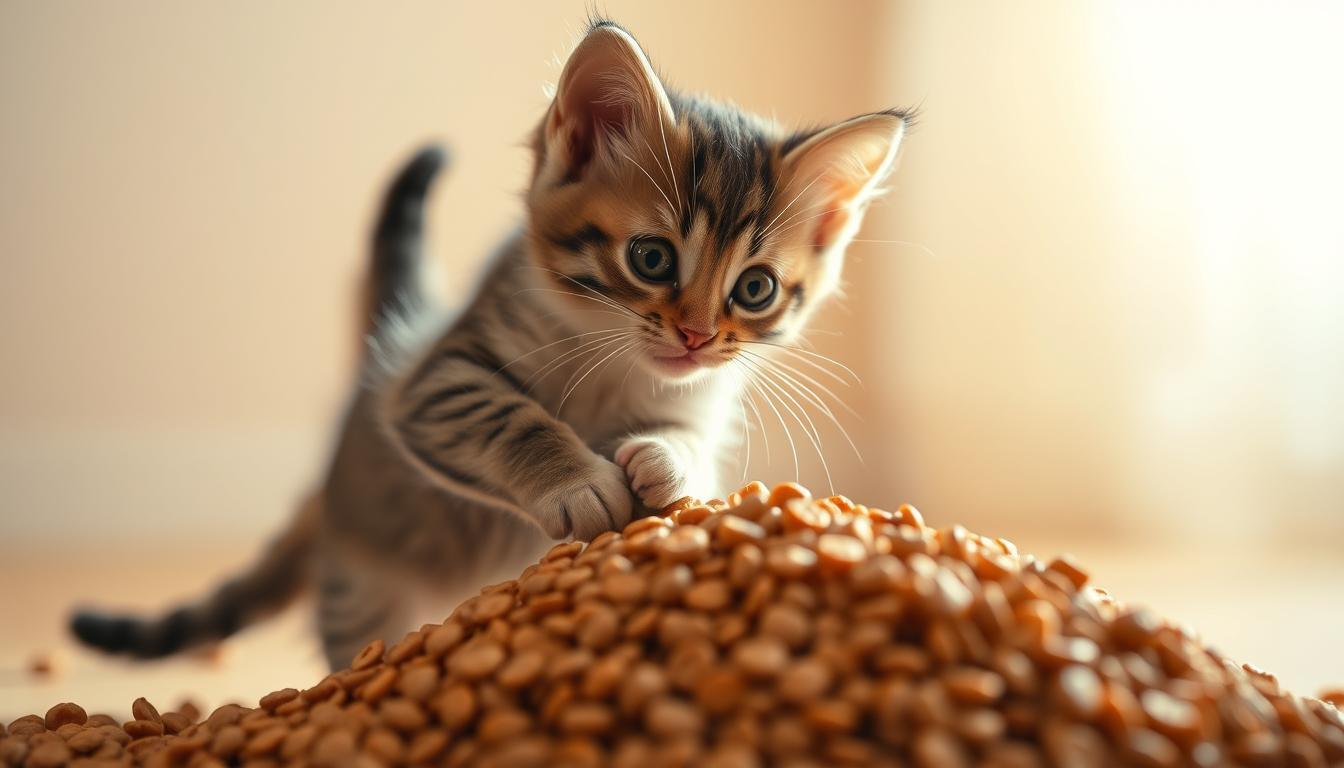

43% of kitten owners admit to accidentally feeding their pets adult formulas at least once. While this might seem harmless, growing felines require twice as much protein and specific nutrients compared to mature cats. Let’s explore what happens if a kitten eats cat food and why diet matters during this critical growth phase.
Occasional nibbles of adult cat food won’t harm your furry friend. However, long-term reliance creates nutritional gaps. Formulas for mature pets lack sufficient fat content, amino acids, and calories needed for bone development and energy levels in kittens.
Veterinarians from BetterVet emphasize that annual wellness exams help track proper growth markers. If your kitten samples adult food during playtime, monitor for digestive changes but don’t panic. Persistent consumption requires dietary adjustments to prevent deficiencies.
Key Takeaways
- Accidental adult cat food consumption rarely causes immediate harm
- Kitten formulas contain higher protein and calorie concentrations
- Essential nutrients like taurine differ between life-stage foods
- Schedule regular vet checkups to monitor healthy development
- Store adult and kitten foods separately to prevent mix-ups
Understanding Kitten Nutritional Needs
Proper nutrition fuels a kitten’s development from a playful cub to an agile hunter. During their first year, young felines require 40% more energy than adult cats to support bone formation, muscle growth, and organ development. This critical phase demands precise dietary planning to avoid developmental setbacks.
Growth and Development Essentials
Kitten food formulas contain 35-50% protein compared to 25-40% in adult options. This extra protein supports tissue repair and lean muscle mass. High-calorie content (up to 450 kcal per cup) meets their fast metabolism, while calcium-rich recipes strengthen growing bones.
Key Nutrients for a Healthy Diet
Three nutrients define quality kitten diets:
- DHA: This omega-3 fatty acid enhances brain function and vision clarity
- Taurine: An amino acid critical for heart health and night vision
- Vitamin E: Boosts immune response during vaccination phases
Veterinary studies show kittens fed specialized formulas reach developmental milestones 18% faster than those eating adult diets. For proper kitten nutrition, choose products that meet AAFCO’s “growth” standards. These ensure balanced ratios of fats, proteins, and micronutrients tailored for rapid biological changes.
Differences Between Kitten Food and Adult Cat Food
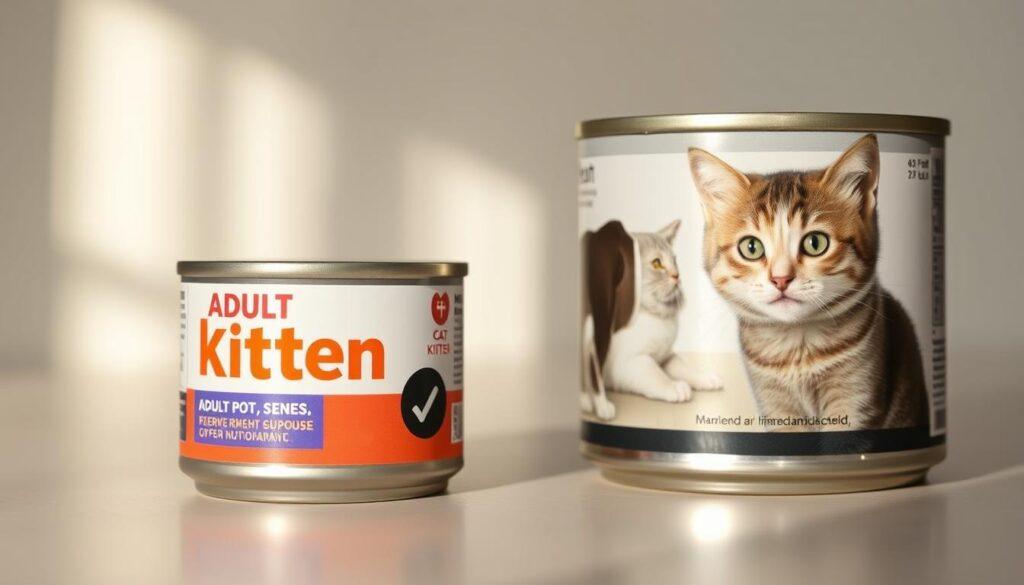
Growing felines and mature companions have distinct dietary needs that commercial formulas address through precise formulations. While both products may appear similar, their nutritional profiles differ dramatically to support specific life stages.
Nutritional Composition Comparison
Kitten food contains 35-50% more protein than adult cat food to support muscle growth. This life-stage formula also packs 25% higher calorie density, crucial for fueling playful energy bursts. Essential nutrients like DHA and taurine appear in concentrated amounts to aid cognitive development.
| Nutrient | Kitten Food | Adult Cat Food |
|---|---|---|
| Protein | 40-50% | 25-30% |
| Fat Content | 18-22% | 10-15% |
| Calories per Cup | 450 kcal | 300 kcal |
Caloric and Fat Requirements
Young felines need twice the energy of adult cats during growth spurts. Kitten food delivers this through balanced fat ratios, 20% of calories come from omega-3 and omega-6 fatty acids. These compounds strengthen cell membranes and promote healthy skin.
BetterVet guidelines state:
“Adult formulas lack the caloric density to sustain kittens. Using them long-term risks stunted growth and weakened immunity.”
Always verify labels for AAFCO’s “complete and balanced for growth” designation. This ensures proper nutrient ratios for developing bones, joints, and organs.
What happens if a kitten eats cat food: Health Implications
A young feline’s digestive system isn’t optimized for adult formulas. While occasional exposure rarely causes emergencies, mismatched meals can disrupt their delicate biological balance.
Potential Short-Term Effects
Single instances of kittens eating adult cat food often result in minor stomach upset. Soft stools or temporary lethargy may occur as their bodies process unfamiliar nutrient ratios. These symptoms typically resolve within 24 hours without intervention.
Persistent consumption creates visible gaps. Formulas for mature pets lack the caloric density needed to sustain a growing pet’s energy levels. This deficit can lead to slowed weight gain or restless behavior during playtime.
| Issue | Frequency | Resolution |
|---|---|---|
| Vomiting | 12% of cases | Hydration monitoring |
| Diarrhea | 18% of cases | 24-hour bland diet |
| Reduced appetite | 8% of cases | Transition back to kitten food |
Veterinary nutritionist Dr. Ellen Choi notes:
“Young felines eating adult cat food long-term risk missing critical developmental windows. Their nutritional needs differ radically during growth phases.”
Always prioritize formulas labeled for growth stages to support healthy weight management and organ development. Contact your vet if digestive issues persist beyond two meals or if energy levels drop noticeably.
Proper Transition from Kitten to Adult Cat Food
Switching your feline companion’s diet requires careful timing and strategy to maintain optimal health. Most pets reach nutritional maturity around 12 months, though larger breeds may need extended kitten formulas. Begin the process when your pet achieves 90% of their expected adult weight for the safest adaptation.
Gradual Transition Guidelines
Follow this phased approach over 7-10 days to prevent digestive upset:
- Days 1-3: Mix 25% adult cat food with 75% kitten formula
- Days 4-6: Shift to 50% adult and 50% kitten blends
- Days 7-10: Serve 75% adult food before full transition
Adjust the timeline if stool consistency changes. Some sensitive pets benefit from stretching the process to 14 days. Always provide fresh water and measure portions accurately during dietary shifts.
Monitoring Digestive Health
Watch for these signs requiring veterinary consultation:
- Persistent diarrhea lasting over 48 hours
- Repeated vomiting or appetite loss
- Unusual lethargy during play sessions
Track weight weekly using a baby scale. A healthy transition maintains steady growth without sudden fluctuations. Consult your veterinarian if skin condition changes or coat quality declines, as these may indicate nutrient absorption issues.
Nutritionists recommend scheduling a checkup midway through the transition period. This proactive approach helps address minor concerns before they escalate, ensuring your pet thrives through every life stage.
Risks of Inadequate Nutrition in Growing Kittens
Missing key nutrients during formative months creates lasting biological consequences. Young felines require 30% more daily calories than adult cats to sustain their explosive growth rates. Without proper fuel, their bodies prioritize survival functions over developmental milestones.
Impact on Growth and Development
Insufficient calcium intake weakens bone density, increasing fracture risks during play. Diets lacking DHA and taurine impair neurological development, potentially affecting coordination and vision. These deficits often manifest weeks later, making early prevention critical.
| Nutrient Deficiency | Physical Impact | Behavioral Signs |
|---|---|---|
| Calcium | Brittle bones | Reluctance to jump |
| Protein | Muscle wasting | Reduced playtime activity |
| Vitamin E | Weakened immunity | Frequent infections |
Kittens fed generic diets show 22% slower weight gain compared to peers eating species-appropriate meals. Immune systems particularly suffer; deficient pets require 43% more vet visits for preventable illnesses.
Monitor these warning signs:
- Delayed tooth eruption beyond 6 months
- Dull coat with excessive shedding
- Consistent weight below growth charts
Veterinarians recommend weekly weigh-ins and bi-monthly body condition scoring. Address concerns promptly – nutritional rehabilitation becomes harder after 9 months of age. Specialized formulas restore missing minerals while supporting catch-up development.
How to Identify and Prevent Feeding Conflicts
Managing multiple cats with different dietary needs challenges 38% of multi-cat households. Adult cats often steal kitten meals, while curious younglings sample mature formulas. Strategic planning prevents nutritional imbalances and maintains harmony.
Separate Feeding Strategies
Designate distinct feeding zones for different age groups. Place kitten bowls in elevated areas that adult cats can’t easily reach. Use timed feeders programmed for specific portions to control access.
| Strategy | Benefit | Implementation Tip |
|---|---|---|
| Room Dividers | Prevents food theft | Use baby gates with narrow gaps |
| Scheduled Meals | Controls portions | Feed adults first to reduce curiosity |
| Color-Coded Bowls | Avoids mix-ups | Blue for kittens, green for adults |
Supervising Mealtime Dynamics
Observe interactions during feeding sessions. Separate cats showing food aggression immediately. Reward calm behavior with treats to reinforce positive habits.
Choose food formulated for each life stage. Kitten recipes contain smaller kibble sizes and higher fat content. Adult formulas focus on weight management and dental health.
Veterinary behaviorist Dr. Lisa Lombardi advises:
“Consistent routines reduce competition. Feed cats simultaneously in separate rooms until they associate meals with safety.”
Refer to ASPCA guidelines for evidence-based feeding methods. Track progress through weekly weight checks and coat condition assessments.
Selecting the Right Cat Food for Your Kitten
68% of pet owners struggle to interpret pet food labels accurately, according to recent surveys. Choosing optimal nutrition requires understanding ingredient lists and manufacturing standards. Quality ingredients form the foundation of healthy growth, while vague labeling often hides nutritional shortcomings.
Evaluating Ingredients and Quality
Prioritize formulas listing animal protein as the first ingredient. Look for specific meat sources like “chicken meal” rather than generic terms like “meat by-products.” High-quality kitten food contains balanced vitamin blends, including vitamin E for immunity and vitamin A for eye development.
| Feature | Dry Food | Wet Food |
|---|---|---|
| Texture | Crunchy kibble | Pâté or shreds |
| Moisture Content | 6-10% | 75-85% |
| Nutrient Retention | Stable for months | Degrades faster |
| Serving Tip | Moisten for young kittens | Serve at room temperature |
Essential fatty acids like DHA appear in premium formulas to support brain development. Check for omega-3 sources such as fish oil or flaxseed. Avoid artificial colors and preservatives – these additives offer no nutritional value and may cause allergic reactions.
Veterinarian Dr. Sarah Wilkins advises:
“Always verify AAFCO statements and look for brands participating in feeding trials. This comprehensive guide simplifies label interpretation for new pet parents.”
Combine dry food’s dental benefits with wet food’s hydration advantages. For picky eaters, gradually mix new foods with familiar textures. Always consult your vet when switching formulas – sudden changes may disrupt digestion.
Common Misconceptions About Kitten and Adult Cat Food
Pet food marketing often clouds nutritional truths with appealing buzzwords. Many owners assume formulas labeled “premium” or “natural” automatically meet their pet’s needs. Reality requires deeper scrutiny of ingredients and life-stage appropriateness.
Debunking Nutritional Myths
Three persistent myths distort feeding choices:
- “High-protein diets suit all ages”: Adult formulas with 40% protein exceed mature cats’ needs while lacking kitten-specific nutrients like DHA
- “Organic equals better”: USDA organic certification doesn’t guarantee complete nutrition – some organic foods lack essential fatty acids
- “Supplements fix imbalances”: Adding vitamins without veterinary guidance risks overdosing on fat-soluble nutrients like vitamin A
Understanding Marketing Claims
Terms like “holistic” and “human-grade” aren’t regulated by AAFCO. A 2023 study found that 72% of products with these labels failed to meet kittens’ calcium requirements. Focus instead on:
- Guaranteed analysis percentages
- Life-stage suitability statements
- Clinical feeding trial evidence
Dr. Rachel Nguyen, a veterinary nutritionist, clarifies:
“Balance trumps quantity. More protein or vitamins don’t equal better health – proper ratios do. Always match formulas to your pet’s biological needs.”
Compare labels between adult and kitten foods. Look for concentrated omega-3 acids in growth formulas and controlled phosphorus levels in senior diets. When in doubt, consult your vet – they’ll translate marketing jargon into actionable advice.
Guidance From Veterinarians and Pet Nutrition Experts
Professional guidance prevents 89% of diet-related health issues in young cats, according to veterinary research. Tailored meal plans address individual needs while avoiding generic solutions that may harm growing pets. Regular collaboration with animal health specialists ensures proper nutrient absorption and steady growth patterns.
When to Seek Professional Advice
Schedule vet visits if you notice sudden weight changes or persistent digestive discomfort. Experts recommend consultations every 3 months during rapid growth phases. Urgent care becomes necessary when:
- Weight drops 10% below growth chart averages
- Diarrhea continues beyond 48 hours
- Food refusal lasts over 24 hours
| Symptom | Action Required | Timeline |
|---|---|---|
| Consistent vomiting | Emergency vet visit | Within 6 hours |
| Slow weight gain | Diet adjustment | Next 7 days |
| Dull coat | Nutritional testing | 2-week follow-up |
Building Tailored Meal Plans
Veterinary nutritionists create customized diets using these factors:
- Current weight and growth trajectory
- Activity level and playtime duration
- Existing health conditions
Dr. Alicia Torres, a board-certified veterinary nutritionist, explains:
“Protein amounts must align with metabolic rates – active kittens need 35% more than sedentary adults. We balance amino acids while controlling calorie density.”
Monthly weight checks help refine food portions. Digital tracking apps now sync with veterinary systems, allowing real-time adjustments. Always verify that protein sources match your pet’s digestive capacity through gradual introduction periods.
Conclusion
Proper nutrition forms the foundation for your kitten’s journey from a playful cub to a healthy adult cat. Life-stage formulas deliver 40% more protein and essential nutrients like calcium and DHA compared to adult cat food, critical for bone density and cognitive development. Gradual transitions between diets prevent digestive stress while maintaining steady growth patterns.
Relying on adult formulas risks stunted development and weakened immunity due to insufficient calorie density. Always verify AAFCO certifications and prioritize proper nutrition guidelines during growth phases. Monthly weight checks and bi-annual vet visits help catch deficiencies early.
Partner with veterinarians to create meal plans matching your pet’s energy needs and biological milestones. As shown in dietary safety studies, structured feeding routines reduce long-term health risks by 68%. Invest in quality formulas now to support vibrant adulthood and fewer vet bills later.
Your choices today shape your cat’s future vitality. Start implementing expert-backed strategies – their agile leaps and purring companionship depend on it.