

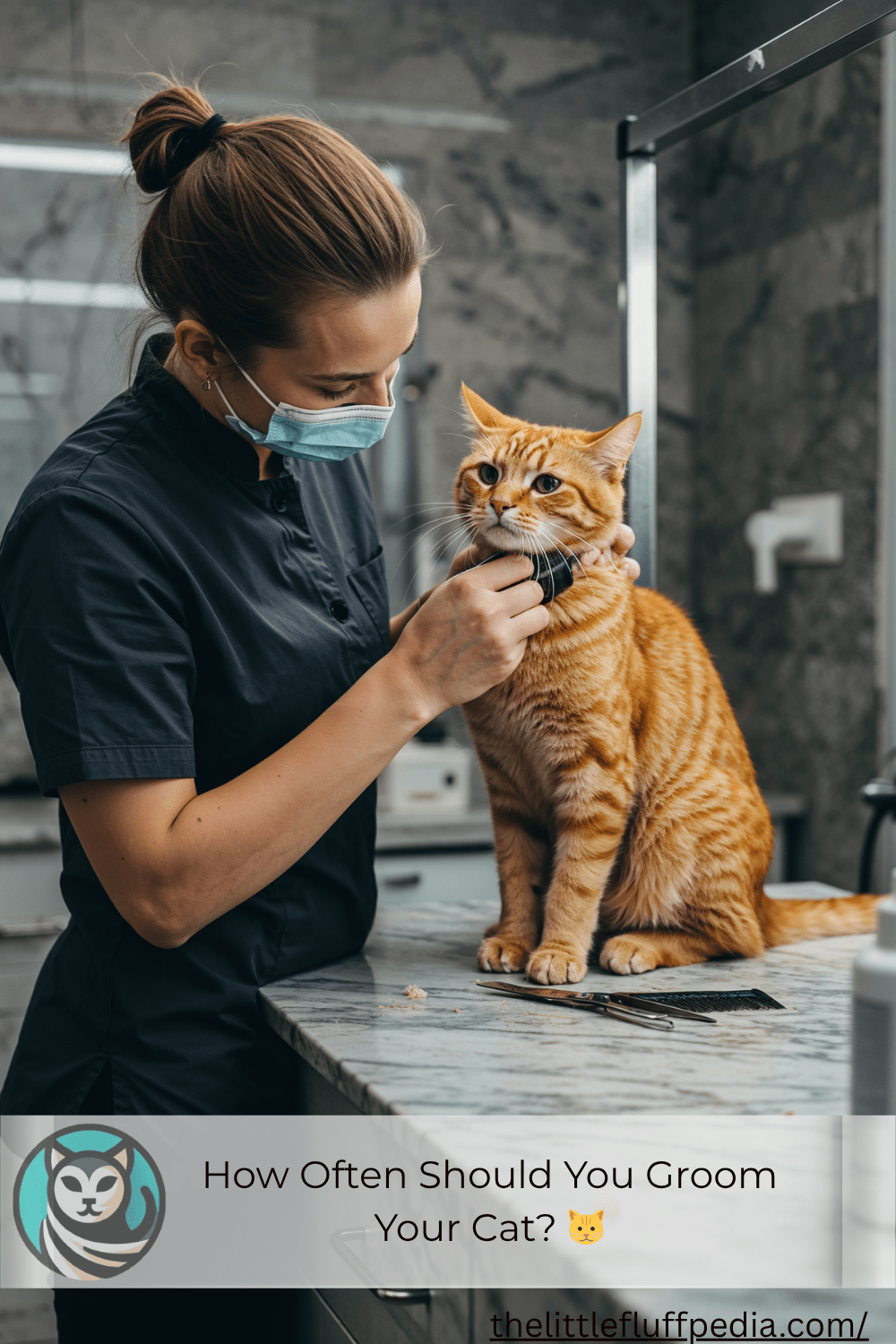
Did you know that over 60% of skin irritations in cats are first noticed during grooming sessions? Regular care, including understanding how often you should take your cat to the groomer, isn’t just about keeping your feline’s coat shiny; it’s a critical step in spotting hidden health concerns early.
Establishing a grooming routine depends on factors like breed, age, and overall health. For example, long-haired breeds often require more frequent attention than short-haired companions. Professionals, such as those at The Meow Mobile, emphasize that consistent grooming helps reduce hairballs and prevents painful matting.
Many veterinarians and groomers recommend scheduling sessions every 6 to 8 weeks for most pets. This frequency balances coat maintenance with opportunities to check for parasites, lumps, or skin abnormalities. The Little Fluffpedia notes that even cats that groom themselves benefit from professional care, as detailed in their guide.
Beyond aesthetics, grooming strengthens the bond between you and your pet while ensuring their comfort. Later sections will compare home brushing techniques with salon visits, helping you create a personalized plan tailored to your feline’s unique needs.
Key Takeaways
- Grooming frequency varies depending on the breed, age, and health status.
- Professional sessions, held every 6–8 weeks, help maintain coat quality.
- Regular care reduces hairballs and detects health issues early.
- Long-haired cats often need more attention than short-haired ones.
- Combining home care with professional visits optimizes results.
Understanding Cat Grooming Needs
Regular grooming not only transforms a cat’s appearance but also has a direct impact on their well-being. A clean coat acts like armor against environmental pollutants and allergens while supporting natural temperature regulation. Brushing sessions remove up to 90% of loose fur, dramatically reducing hairballs caused by self-grooming.
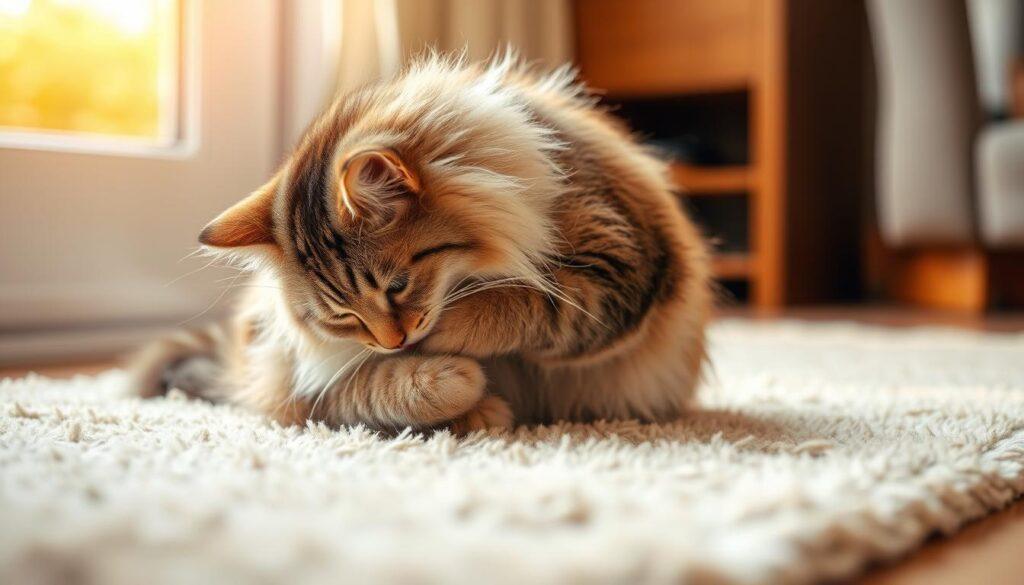
Health and Hygiene Advantages
Professional groomers spot subtle changes in skin texture or coat quality that owners might miss. Mats left untreated can restrict movement and cause infections, making routine brushing essential for maintaining healthy teeth. Veterinary experts confirm that consistent care can lower dander levels by 40-50%, resulting in cleaner living spaces.
Overcoming Grooming Obstacles
Many cats resist handling due to sensitivity or past stress. Specialized tools, such as de-shedding combs and rubber grooming gloves, make the process easier. Consider these common challenges and solutions:
| Issue | Tool | Benefit |
|---|---|---|
| Mats | Dematter comb | Prevents skin pulling |
| Shedding | Undercoat rake | Reduces loose fur |
| Sensitive skin | Soft-bristle brush | Gentle detangling |
Gradual training helps cats accept nail trims and ear cleaning sessions by pairing them with treats to create positive associations. Short-haired breeds still need monthly brushing to distribute skin oils evenly across their coat.
How often should I take my cat to the groomer?
Professional groomers and veterinarians agree that timing is everything in feline coat care. Most healthy adult cats thrive with professional sessions every eight weeks. This interval enables groomers to maintain skin elasticity, check for parasites, and effectively address seasonal shedding patterns.
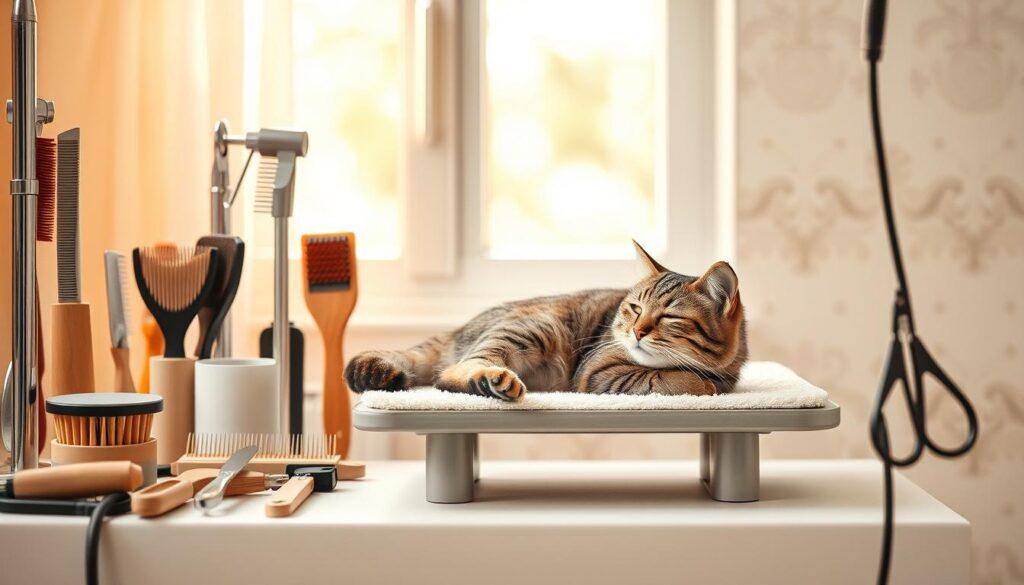
Guidelines for Healthy Cats
The eight-week standard works well for short-haired breeds, such as Domestic Shorthairs. Regular brushing at home extends the time between salon visits. Key benefits of this rhythm include:
- Prevents matting in common trouble spots (armpits, behind ears)
- Reduces hairball formation by 30-40%
- Allows early detection of fleas or skin abnormalities
Maine Coons and Persians often require monthly grooming appointments due to their dense undercoats. Groomers at Paws & Claws Salon report that 68% of long-haired cats develop mats without four-week care.
Adjustments for Age and Health Conditions
Senior cats or those with arthritis benefit from six-week sessions. Shorter, more frequent visits minimize stress. Consider these adjustments:
| Condition | Frequency | Focus Areas |
|---|---|---|
| Overweight | 6 weeks | Hard-to-reach zones |
| Diabetes | 4-5 weeks | Skin hydration checks |
| Kittens | 10-12 weeks | Acclimation training |
Anxious pets may need pre-visit calming sprays or mobile grooming services. Always consult your vet if you notice bald patches or redness during brushing. Tailored schedules keep cats comfortable while catching health changes early.
Grooming Tips for Different Cat Breeds
Every feline’s coat tells a story; its breed determines the tools and techniques needed to keep it healthy. While some cats breeze through brushing sessions, others demand specialized care to prevent tangles and skin issues. Understanding these differences ensures your pet stays comfortable and their fur remains vibrant.
Long-Haired Versus Short-Haired Considerations
Long-haired cats, such as Persians, require daily brushing with a stainless-steel comb to remove dead hair and prevent matting. Their dense undercoats trap loose fur, which can form painful knots if neglected. Short-haired breeds such as Bengals benefit from weekly sessions using a rubber grooming mitt to distribute natural oils.
| Breed Type | Essential Tool | Frequency |
|---|---|---|
| Long-haired | Dematting comb | Daily |
| Short-haired | Slicker brush | 2-3x weekly |
| Medium-haired | Undercoat rake | Every 4 days |
Breed-Specific Care Strategies
Persian and Himalayan cats require regular face cleaning routines to prevent tear stains, while Exotic Shorthairs benefit from biweekly baths using hypoallergenic shampoo. For detailed guidance, consult this breed-specific grooming guide.
Always brush in the direction of hair growth to avoid tugging. Professional groomers recommend angled shears for trimming the fur around sensitive areas. Regular care reduces the amount of swallowed hair by 60%, thereby lowering the risk of digestive issues.
Home Grooming vs Professional Grooming
What separates a basic brushing routine from expert-level coat care? Choosing between home maintenance and professional services depends on your feline’s needs and your comfort with grooming tools. Both approaches offer unique advantages when used strategically.
At-Home Grooming Techniques
Daily brushing with a slicker brush or wide-tooth comb keeps most coats tangle-free. Begin with short 5-minute sessions to build trust, focusing on areas such as the chin and tail base. Essential tools include:
- Rubber grooming mitts for short-haired breeds
- Dematter combs for stubborn knots
- Nail clippers with safety guards
Pair treats with brushing to create positive associations. The Little Fluffpedia recommends bathing cats every 4-6 weeks using lukewarm water and cat-safe shampoo.
Benefits of Professional Grooming Sessions
Certified groomers spot early signs of parasites, skin infections, or lumps during appointments. Their toolkit includes specialized equipment, such as high-velocity dryers and sanitary trimmers, for use in sensitive areas. Compare key features:
| Home Care | Professional Service |
|---|---|
| Basic mat removal | Advanced dematting techniques |
| Surface coat brushing | Undercoat excavation |
| Nail trimming | Paw pad hair trimming |
Mobile services, such as those offered by Aussie Pet Mobile, reduce stress for anxious pets. Combine weekly home brushing with bi-monthly professional visits for optimal coat health.
Recognizing Signs That Your Cat Needs Grooming
Your cat’s coat acts as a health diary; subtle changes often signal it’s time for professional care. Clumps of fur or unusual textures demand immediate attention to prevent long-term discomfort. Regular checks between grooming sessions help catch problems before they escalate.
Identifying Matting and Skin Issues
Dense tangles near the hindquarters or underarms indicate severe matting. These knots trap moisture and bacteria, creating ideal conditions for infections. Dead hair accumulation often appears as dull patches or excessive shedding during brushing.
Look for redness, flaking, or small scabs during weekly brushings. Cats with sensitive skin may develop rashes from seasonal allergens. Groomers frequently spot these hidden issues during routine sessions, sometimes weeks before owners notice changes.
Behavioral Indicators and Discomfort
Sudden resistance to being touched suggests coat-related stress. Watch for these warning signs:
- Twitching skin during brushing
- Excessive licking of specific areas
- Unusual aggression when handling paws
Pets that hide under furniture after grooming sessions may associate the activity with pain. Mobile groomers report that 40% of anxious cats show improved cooperation when mats are removed early.
Schedule immediate care if you find tight mats or inflamed skin. Professionals use specialized tools to address these health risks safely. Consistent monitoring between appointments helps keep your pet comfortable and reduces the need for emergency vet visits.
Enhancing Cat Grooming Sessions for Better Health
Transform routine brushing into a wellness check that strengthens your feline’s physical and emotional well-being. Skilled care providers combine health monitoring with stress-reduction techniques to create safer and more effective sessions.
Monitoring Health During Grooming
Every session offers a chance to scan for hidden health clues. Run your fingers through the cat’s coat to feel for lumps, bumps, or areas that are hot to the touch. Professionals at certified groomers often detect early signs of parasites or infections that owners might overlook.
Check these areas during home care:
- Behind ears (typical flea habitat)
- Paw pads (trapped debris risks)
- Tail base (matt formation zone)
| Home Checks | Professional Assessments |
|---|---|
| Surface skin inspection | Undercoat analysis |
| Basic nail evaluation | Gland health monitoring |
| Hairball frequency tracking | Hydration level tests |
Reducing Stress with Positive Techniques
Calm sessions start with preparation. Use pheromone sprays 15 minutes before brushing your teeth. Offer treats after each successful step: “paws handled, reward given,” reinforces cooperation.
Mobile groomers suggest these stress-busters:
- Wrap anxious pets in soft towels during nail trims
- Use quiet clippers from cat-safe grooming kits
- Keep sessions under 10 minutes for kittens
“Gentle praise works better than restraint. Happy cats mean healthier coats.”
Consistent routines build trust. Pair brushing with playtime to create positive associations. Improved grooming quality leads to shinier fur and fewer vet visits over time.
Conclusion
Creating a consistent grooming routine acts as both a wellness strategy and a bonding experience for feline companions. Most healthy adult cats thrive with professional care every eight weeks; however, long-haired breeds or seniors may require more frequent attention. Regular sessions prevent mats, reduce shedding by up to 40%, and allow groomers to spot early signs of skin issues or parasites.
Home brushing complements salon visits using tools like the best brush for your cat’s coat to maintain shine between appointments. Professional groomers excel at tasks like undercoat removal and nail trimming, while owners can monitor daily changes in fur texture or behavior.
Tailored approaches matter. A Persian’s dense fur demands different care than a Bengal’s short coat, and anxious pets benefit from stress-reduction techniques. Even minor adjustments, such as switching brushes or scheduling shorter sessions, can enhance comfort.
For personalized guidance, consult a certified groomer or veterinarian. Explore more resources to refine your approach. Consistent care not only preserves your pet’s health but also fosters a more profound connection through trust and attentiveness.

Hi Dan! I got a ping back that you quoted my article. My business name is The Meow Mobile, with The Association of Holistic Feline Specialists. Not Feline Phoenix. 🙂 thank you!
Hi there!
Thank you so much for pointing that out, I really appreciate the clarification!
I’ve updated the article to reflect your correct business name. Thank you again for your patience and for helping maintain accuracy.
Have a wonderful day!