


Did you know that some tuxedo cats tip the scales at 18 pounds? That’s heavier than most bowling balls! While their sharp black-and-white coats might make them look like feline James Bonds, these dapper companions aren’t a specific breed. When considering the ideal weight for a tuxedo cat, it’s essential to take into account their genetic makeup, dietary habits, and overall health.
Many assume a cat’s patterned fur hints at its size, but that’s like judging a book by its cover. A petite domestic shorthair with tuxedo markings might weigh 8 pounds, while a Maine Coon rocking the same style could reach 18 pounds. Even siblings from the same litter can vary wildly in size.
This guide breaks down the factors that influence growth patterns, from nutrition to breed tendencies. Whether your tuxedo-clad friend is a rescue mix or a purebred giant, understanding healthy weight ranges helps ensure they thrive. We’ll explore how factors like age and activity level shape their physique because every cat deserves to feel their best in that snazzy “suit.”
Key Takeaways
- Tuxedo refers to coat patterns, not breed weight, which varies across mixed and purebred felines.
- Healthy adult weights range from 8 to 18 pounds, depending on genetics
- Diet, exercise, and breed mix significantly impact size
- Maine Coons and other large breeds often exceed typical weight averages
- Regular vet checkups help maintain ideal body condition
Introduction to Tuxedo Cats: Characteristics and Charm
Tuxedo-patterned felines have stolen hearts since ancient times, appearing in Egyptian tomb paintings and Renaissance artworks. Their distinctive “formal wear” results from a genetic lottery; the white spotting gene creates that sharp contrast between dark fur and crisp white markings.
What Makes These Felines Unique
No two tuxedo cats share identical markings. Some wear white gloves, while others sport bowtie-shaped chest patches. This pattern is observed across multiple breeds, ranging from the sleek Cornish Rex to the fluffy Persian. Unlike specific cat breed standards, the tuxedo look occurs randomly in both mixed and purebred litters.
Historical figures loved these dapper companions. Sailors believed they brought good luck, while literary icons like Lewis Carroll featured them in stories. Modern pop culture icons like Sylvester from Looney Tunes keep the tradition alive.
Personality Beyond the Pinstripes
Owners often describe tuxedo cats as mischievous charmers with dog-like loyalty. Many exhibit:
- Playful curiosity (knocking pens off desks counts)
- Social tendencies, they’ll greet your guests first
- Problem-solving skills worthy of feline Nobel prizes
While breeds influence temperament, these kitties frequently defy expectations. A Maine Coon mix might serenade you with trills, while a British Shorthair descendant prefers quiet cuddles. Their health and behavior ultimately depend more on genetics than coat patterns.
Whether lounging in sunlight or batting at feather toys, tuxedo cats prove that true style lies in personality. Their enduring appeal spans millennia, and with proper care, these sharp-dressed companions typically enjoy 15+ years of turning heads.
The Tuxedo Cat Coat Pattern and Its Genetic Roots
That sharp black-and-white suit isn’t just fashion, it’s a masterpiece of genetic artistry. These striking patterns emerge from the white spotting gene, which determines the extent of unpigmented fur. Ancient Egyptians immortalized these cats in hieroglyphs, while modern icons like Felix the Cat cemented their pop culture status.
Origins and Historical Significance
Archaeologists found tuxedo-patterned felines depicted in 3,000-year-old Egyptian scrolls, often alongside royalty. Sailors later prized them as good-luck charms during voyages. “Their markings made them easy to spot if they fell overboard,” explains feline historian Dr. Clara Whiskerton. Today, these cats star in memes and movies, proving their timeless appeal.
Understanding the White Spotting Gene
The magic happens through four grades of gene expression:
- Grade 1: Minimal white (single chest patch)
- Grade 3: Classic tuxedo (white belly, paws, and facial blaze)
This gene doesn’t care about breed, it randomly blesses pets from alley cats to purebred Persians. While mostly harmless, extensive white areas sometimes correlate with hearing issues. Regular vet checkups help catch potential disease risks early.
Whether your feline’s coat resembles a tailored tux or a paint-splattered smock, their unique look started with a genetic coin toss. And that’s a scientific fact even Sylvester the Cat would find ssssssuper interesting.
How Much Should a Tuxedo Cat Weigh?
Maintaining an optimal physique matters more than fur patterns for these dapper felines. While their formal-looking coats grab attention, what lies beneath determines longevity. Healthy weight ranges span 8-18 pounds, depending on genetic makeup and lifestyle factors.
| Breed Type | Healthy Weight Range | Notes |
|---|---|---|
| Domestic Shorthair | 8-12 lbs | Prone to weight gain without activity |
| Maine Coon Mix | 13-18 lbs | A natural large frame requires monitoring |
| Siamese Cross | 6-11 lbs | Lower range due to lean build |
Carrying extra pounds transforms that stylish silhouette into a health hazard. Obesity triples the risk of diabetes and joint issues in cats. “Even 2 pounds over ideal weight strains their organs,” warns Dr. Ellen Bristle, a feline nutrition specialist.
Three pillars support weight management:
- Measured meals with protein-rich formulas
- Daily play sessions using feather toys or laser pointers
- Monthly body condition scoring (rib check)
Interactive toys play a crucial role in weight loss plans. Puzzle feeders slow eating while mimicking hunting behaviors. Remember: a cat wearing an XXL tuxedo needs tailored care, not one-size-fits-all solutions.
“Prevention beats treatment adjust calories before the scale tips too far.”
Factors Affecting Your Tuxedo Cat’s Ideal Weight
A cat’s physique tells a story shaped by biology and environment. Three key elements determine whether your feline’s “suit” fits snugly or sags: biological traits, daily habits, and living spaces.
Age, Breed, and Size Considerations
Kittens burn calories like furry furnaces, needing 2-3x more food than adults. By age two, metabolism slows, and portion control becomes critical. Maine Coons often reach 15+ pounds naturally, while American Shorthairs typically max out around 12 pounds. Mixed breeds? Their size usually reflects the largest ancestor in their lineage.
Senior cats face dual challenges: muscle loss and a reduction in activity. Vets recommend switching to high-protein, low-calorie diets around age seven to prevent overweight tendencies. Regular weigh-ins help catch gradual changes owners might miss.
Lifestyle and Environmental Influences
Indoor cats sleep 18 hours daily, burning 20% fewer calories than outdoor explorers. Combat couch-potato habits with:
- Climbing towers near windows
- Scheduled play sessions before meals
- Food puzzles instead of open bowls
Make sure multiple litter boxes are placed away from feeding areas. This encourages movement between zones. Cats in multi-pet homes often overeat due to competition, which can be mitigated by using separate feeding stations.
Breed-specific health issues compound weight challenges. American Shorthairs are prone to joint strain when obese, while larger breeds are at risk of heart conditions. Annual vet exams spot problems before they become apparent on scales.
Popular Tuxedo Cat Breeds and Their Weight Ranges
From sleek show cats to fluffy homebodies, the tuxedo pattern graces felines of all sizes. This striking fur design is found in over 20 recognized breeds, each with its distinct body type and weight profile.
Maine Coon and American Shorthair Comparisons
Maine Coons wearing the classic “suit” often resemble furry linebackers. These gentle giants typically reach 13-18 pounds, with some males hitting 20 pounds. Their muscular frames require 30% more calories per day than average cats. In contrast, American Shorthairs sport a more compact body, usually weighing 8-12 pounds at maturity.
| Breed | Weight Range | Activity Level |
|---|---|---|
| Maine Coon | 13-18 lbs | High |
| American Shorthair | 8-12 lbs | Moderate |
Diverse Breeds Exhibiting the Pattern
The tuxedo look transcends breed boundaries. You’ll find it in:
- British Shorthairs (9-17 lbs) with plush velvet-like coats
- Cornish Rexes (6-9 lbs) sporting curly fur and endless energy
- Ragdolls (10-20 lbs) that flop like living stuffed animals
Even hairless Sphynx cats can rock the pattern through skin pigmentation. According to feline coat experts, the markings often appear sharper in short-haired breeds.
Metabolism plays a key role in weight management. Active breeds like Bengals burn 35-40 calories per day per pound of body weight, while laidback Persians need fewer. Regular play sessions help maintain muscle tone and prevent gradual weight gain crucial for preserving that dapper silhouette.
“A cat’s frame determines healthy weight ranges more than fur patterns. Focus on body condition scoring, not just pounds.”
Diet, Exercise, and Health: Keeping Your Tuxedo Cat Fit

That dapper feline suit needs more than style; it requires competent care. Proper nutrition and activity keep their signature coat glossy and body agile. Tailor routines to your pet’s life stage for lasting vitality.
Nutritional Guidelines for a Healthy Weight
High-protein meals with controlled portions are the most effective. Kittens need 3-4 small meals daily, while adults thrive on twice-daily feedings. Seniors often benefit from wet food to boost water intake. Check labels for AAFCO certification to ensure balanced nutrition.
| Age | Food Type | Portion Frequency |
|---|---|---|
| Kitten (0-1 year) | High-calorie kibble | 4x/day |
| Adult (1-7 years) | Protein-rich formula | 2x/day |
| Senior (7+ years) | Hydrating wet food | 3x/day |
Fresh water should always be available. Cats often prefer wide bowls that don’t touch their whiskers. Dehydration dulls their coat and affects organ function.
Effective Exercise and Play Strategies
Schedule 15-minute play sessions twice daily. Rotate toys, such as feather wands or motorized mice, to prevent boredom. Older cats enjoy low-impact activities, such as treat puzzles or crinkle balls.
- Use climbing trees to encourage vertical exploration
- Hide snacks in cardboard boxes for mental stimulation
- Practice “hunt-eat-sleep” cycles with interactive feeders
Regular essential care guide checkups with a veterinarian spot early weight changes. They’ll assess body condition scores and recommend dietary tweaks based on your cat’s age and breed mix.
“Consistency is key predictable meal times and play routines prevent stress-related overeating.”
Recognizing and Preventing Weight-Related Health Issues
Carrying extra pounds does more than alter a feline’s silhouette; it jeopardizes their vitality. Excess weight strains joints, taxes organs, and triples the risk of chronic conditions. Regular monitoring of your pet’s size and body condition becomes crucial as they age.
Obesity, Diabetes, and Other Concerns
Overweight felines often develop:
- Type 2 diabetes is caused by insulin resistance
- Urinary tract issues due to reduced mobility
- Arthritis in the hips and elbows
Kidney disease and hyperthyroidism also correlate with improper diet choices. A study by the Cornell Feline Health Center found that 60% of obese cats develop at least one significant health issue by the age of 10.
Portion control proves essential. Measure meals using a kitchen scale instead of cups. Healthy weight ranges depend on precise calorie management and individual body composition. High-protein, low-carb formulas help maintain muscle mass while promoting fat loss.
“An ounce of prevention equals years of quality life. Adjust food intake at the first sign of waistline disappearance.”
Weekly home checks provide early warnings. Run your hands along your pet’s sides; you should feel ribs without pressing. Schedule biannual vet exams to catch metabolic issues before symptoms appear. Remember: a lean feline in prime condition wears its tuxedo best.
Expert Tips for Daily Care and Grooming
Maintaining that sharp black-and-white elegance requires more than good genes; it demands consistent care. These dapper companions thrive when their routines strike a balance between style and substance.
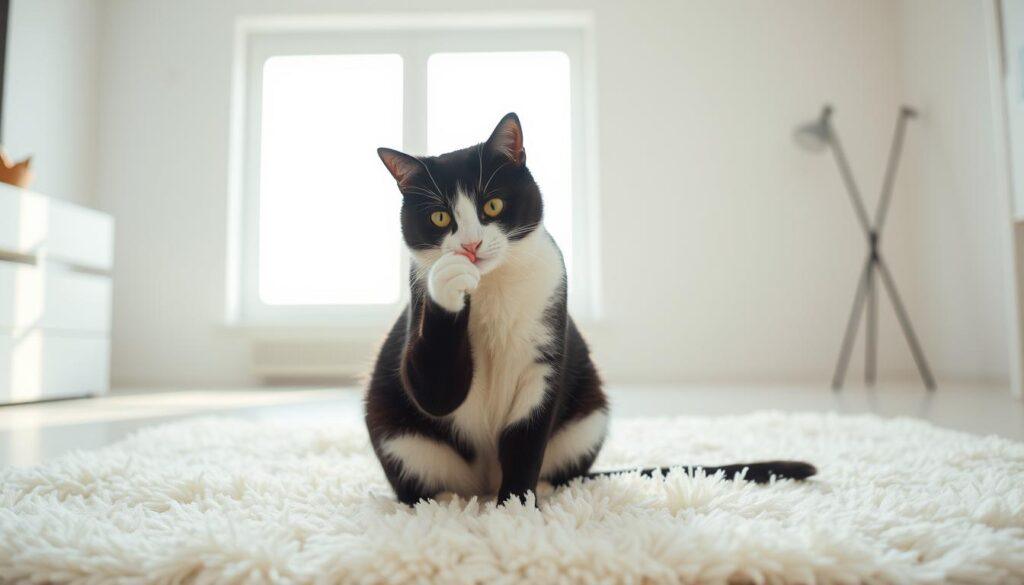
Grooming Essentials Made Simple
Short-haired varieties benefit from weekly brushing to reduce shedding, while long-haired types need daily attention to prevent mats. Pair nail trims with positive reinforcement and offer treats immediately after clipping to build trust.
| Task | Frequency | Tools Needed |
|---|---|---|
| Coat Brushing | 2-3 times weekly | Rubber grooming mitt |
| Nail Care | Every 3 weeks | Cat-specific clippers |
| Litter Maintenance | Daily scooping | Clumping litter |
Dirty litter boxes rank among the top causes of urinary problems. Scoop waste twice a day and replace litter once a week. Position boxes in quiet, low-traffic areas to reduce stress.
Preventive Health Strategies
Schedule vet exams every 6-12 months to catch conditions like dental disease early. White facial markings sometimes correlate with sun sensitivity. Ask about pet-safe sunscreen during summer checkups.
- Use enzymatic cleaners for accident spots.
- Rotate toys to maintain interest.
- Brush teeth 3x weekly with veterinary toothpaste
“Consistency is the best way to prevent issues. Cats thrive on predictable care schedules.”
Owners considering new pet adoption should note that tuxedo patterns require no special care beyond standard grooming. Focus instead on monitoring weight and hydration levels, key indicators of overall well-being.
Conclusion
Every tuxedo-clad companion deserves a lifetime of looking sharp and feeling vibrant. Their iconic fur patterns tell only part of the story; genetics, diet, and activity levels shape their health behind the scenes. Whether your feline sports a petite frame or a Maine Coon’s sturdy build, regular vet visits and mindful care keep that belly trim and energy high.
Pet parents play the lead role in prevention. Measure meals to match breed needs, rotate interactive toys, and schedule annual checkups to catch potential diseases early. Remember: a clean litter box and stress-free environment matter as much as portion control for adult cats.
For those seeking deeper insights, explore detailed care strategies tailored to these charismatic felines. By blending routine grooming with proactive health monitoring, you’ll ensure your dapper friend thrives well beyond their ninth life. After all, true style isn’t just about looking good, it’s about living fully.
